
Understanding Salvage Car Values in South Africa: What Affects Your Offer
Learn how salvage car values are calculated in South Africa, what affects offers, and practical steps to prepare your damaged or written-off vehicle for sale.
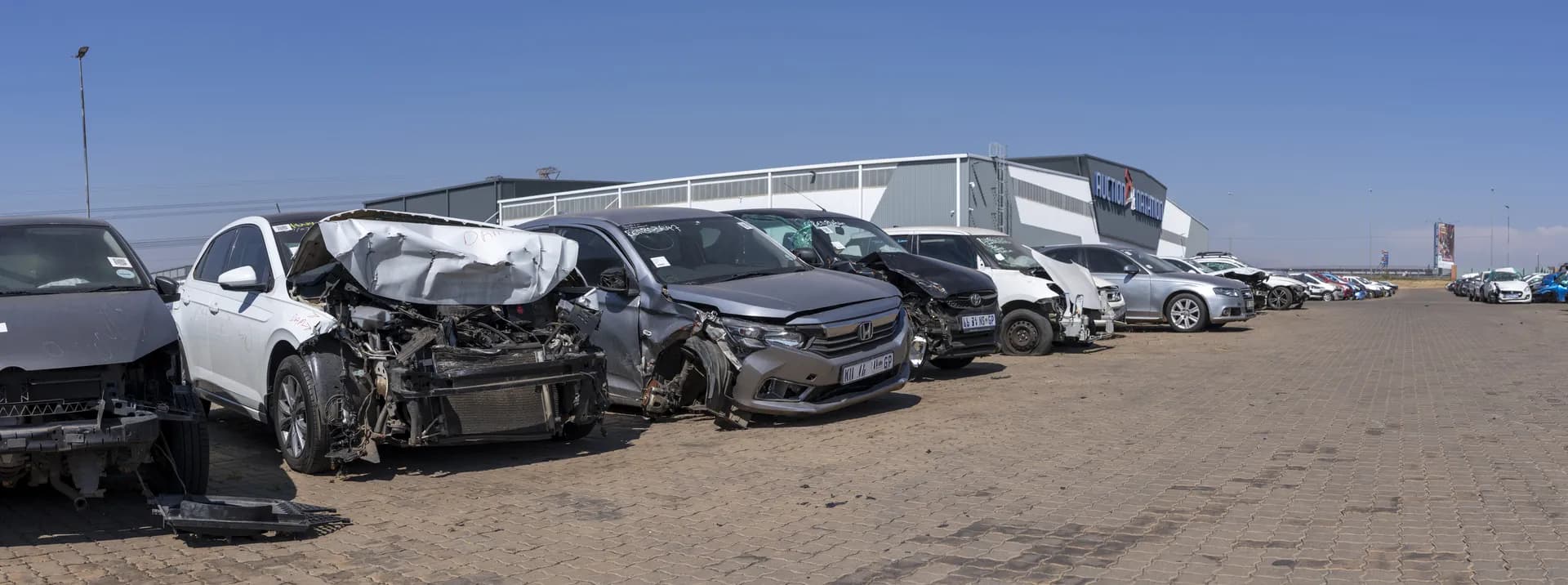
Overview: What a salvage car value means in South Africa
Salvage car value is the amount a buyer is willing to pay for a vehicle that has been damaged, written off, or is non-running. In South Africa the value depends on visible damage, mechanical condition, repair costs, parts demand and local salvage market conditions. If you're considering selling a salvage vehicle, understanding these factors helps you set realistic expectations and choose the right route to get a competitive cash offer.
How buyers assess salvage cars
- Make, model and year: common models retain more salvage value due to parts demand.
- Extent of structural damage: frame or chassis damage reduces value significantly.
- Mechanical condition: non-running vs minor mechanical faults change buyer interest.
- Repair cost vs market value: if repair costs approach or exceed the vehicle's market value, it is often classed as salvage.
- Documentation and provenance: complete service history and clear ownership raise buyer confidence.
Salvage market context in South Africa
South Africa's salvage market includes dismantlers, rebuilders, insurance buyers and export channels. Insurance companies may declare a vehicle a total loss (written off) when repair plus risk exceeds the insured value. Independent buyers and specialist services purchase salvage vehicles for parts, repair and resale, or export. Prices vary by region - demand for parts in Johannesburg, Cape Town and Durban affects offers differently.
Quick note
Estimated figures in this guide are for South Africa and shown in R where used. Actual offers depend on inspection, paperwork and condition.
When to sell a salvage car vs repair it
Deciding whether to repair or sell should be based on a cost-benefit comparison: expected repair cost, remaining market value after repair, time, effort and legal considerations such as salvage status and insurance implications.
| Scenario | When repair may make sense | When selling as salvage is better |
|---|---|---|
| Minor non-structural damage (bumpers, panels) | Repair cost substantially lower than post-repair market value. | If the repair cost is close to market value or you need cash quickly. |
| Structural or frame damage | Rarely - only if sentimental value or very high resale value justifies the cost. | Sell as salvage to avoid high repair bills and compliance risks. |
| Mechanical failure / non-running | If replacement parts are inexpensive and you plan to keep the car long-term. | If sourcing parts is costly or you want fast cash and free towing. |
Practical example
If a 2012 mid-range hatchback has R35,000 estimated repair costs and a post-repair market value of R60,000, repair might be reasonable. If repair costs are R40,000+ and the buyer market is weak, selling as salvage may be more practical. These numbers are illustrative and will vary by model and region.
How salvage car values are calculated
Buyers use a combination of objective and market-based factors to calculate a salvage offer. Key inputs include: current market value for similar undamaged vehicles, estimated cost to repair, expected parts resale value, transport and administration costs, and any legal or finance encumbrances.
| Damage type | Typical impact on offer |
|---|---|
| Cosmetic / panel damage | Moderate reduction; parts are often reusable. |
| Structural/frame damage | Large reduction; limits repair and resale options. |
| Flood or fire damage | Severe reduction; electrical and engine components often compromised. |
| Non-running (mechanical) | Depends on fault; some engines/transmissions fetch strong parts value. |
Buyers also factor in logistics: buyers offering free towing reduces your costs and can slightly increase the net offer you receive, while missing paperwork or outstanding finance will reduce offers or require resolution before sale.
Legal & paperwork considerations in South Africa
Before selling a salvage vehicle in South Africa, confirm ownership, whether the vehicle is under finance, and the vehicle's registration status. If the car is financed, most lenders require settlement before transfer; buyers may help arrange settlement but offers will reflect the extra steps. Deregistration and transfer are standard parts of a legitimate sale - specialist buyers often handle these on your behalf.
Common documents buyers will request
- Vehicle registration (disc) and ID of the registered owner.
- Proof of bank details for payment.
- Any insurance or claim documentation (if relevant).
- Finance settlement letter, if the vehicle is bonded.
Tips to maximise your salvage car offer
- Be honest and detailed: clear photos and accurate descriptions reduce inspection deductions.
- Gather paperwork: registration, service history and any insurance claim reports improve buyer confidence.
- Consider selling whole: dismantlers sometimes pay more for complete vehicles than parting out yourself.
- Get multiple offers: regional demand varies; compare buyers in Johannesburg, Cape Town and Durban.
- Understand costs: free towing and handled paperwork can be worth accepting a slightly lower offer for speed and convenience.
What happens after you accept an offer
A reputable buyer will confirm the offer in writing, arrange a collection time (often free towing nationwide), complete transfer or deregistration paperwork, and release payment promptly after verifying documents. Keep records of the transaction and ensure you receive proof of transfer or deregistration to avoid future liability.
How Sell Your Damaged Car helps
Services that buy salvage cars nationwide typically provide a simple online valuation, free towing, assistance with paperwork (including deregistration) and fast payment after collection. For many sellers this removes the time and risk of private sales or negotiating with repair shops. If your car won't start or is written off, a specialist buyer can often provide a transparent cash offer quickly - consider options like the Sell Non-Running Car or Sell Damaged Cars pages for tailored processes.
Final checklist before you sell
- Take clear photos of damage, VIN and odometer.
- Confirm whether the vehicle is financed and get a settlement figure if applicable.
- Collect registration documents and any service history.
- Compare multiple offers and check buyer reviews or references.
Sources
- South African Government - Official services and motor vehicle information
- Road Traffic Management Corporation (RTMC) - Road and vehicle regulations in South Africa
- The Automobile Association (AA) South Africa - Advice on vehicle repair and insurance
- South African Insurance Association (SAIA) - Insurance and total-loss guidance
Further reading: our Sell Non-Running Car and Sell Damaged Cars pages explain our valuation and collection process in detail, and our How to Avoid Being Scammed resource outlines safe seller practices when dealing with salvage buyers.
Seasoned automotive specialists dedicated to helping you turn your damaged or non-running vehicle into cash fast and hassle-free.
Disclaimer: This content is for educational purposes only. Product availability, pricing, and specifications are subject to change. Always verify current details on the retailer's website before making a purchase. We may earn affiliate commissions from qualifying purchases.
Why sell your damaged car to us?

A Division of Auction Nation, the leading expert in selling damaged cars

Best price for your damaged car

Get a cash offer within 24h

We buy damaged cars in any condition

We buy accident- damaged cars still under finance

Free, no obligation offer on your vehicle
How We Calculate Your Damaged Car’s Value
Wondering how we calculate your car’s value? At Sell Your Damaged Car, we look at: Your car’s real condition, its salvage value, and the current market demand. It’s all about honesty, transparency, and fairness — that’s how we determine your offer.
Frequently Asked Questions
Get answers to common questions about Damage Types
Why Choose Sell Your Damaged Car?
Free Towing
Need a tow? We got you
Hassle Free
Get a cash offer within 24h!
Nationwide
Somewhere remote? No problem!
