
Steps to Transfer Ownership of a Damaged Vehicle in South Africa
Step-by-step guide to transferring ownership of accident-damaged, non-running or written-off vehicles in South Africa - documents, sale agreement, finance settlement and deregistration.
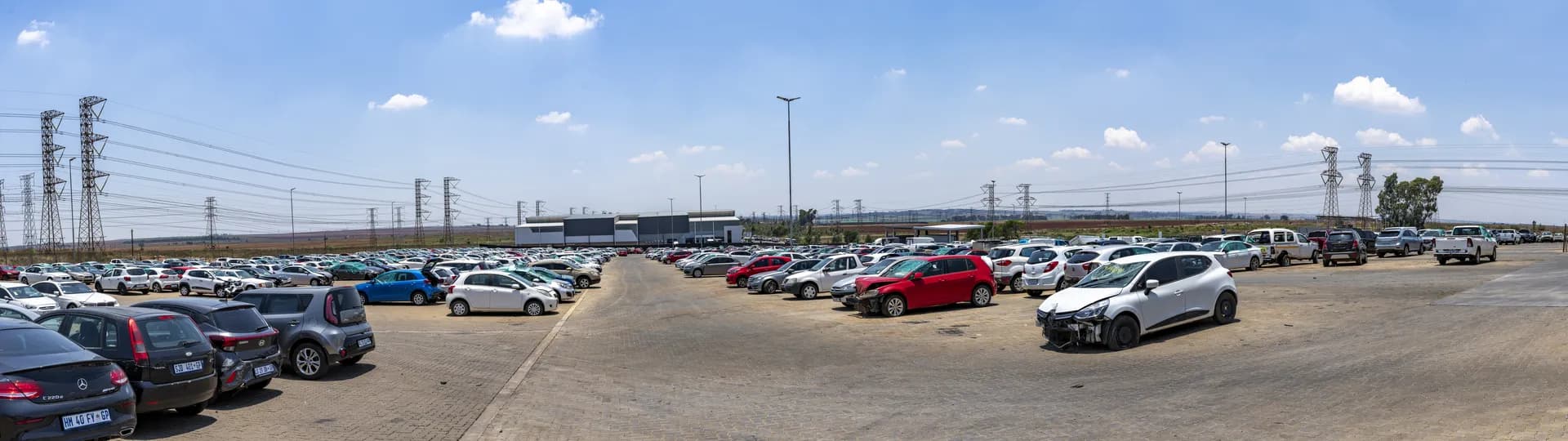
Overview: Why correct transfer matters for damaged cars
When you sell or dispose of a damaged vehicle in South Africa-whether it is accident-damaged, non-running or written off-properly transferring ownership protects you from future liabilities, ensures the buyer can legally collect and deregister the vehicle, and helps with finance and insurance closing. The process follows standard transfer rules under the South African registration system but includes practical steps for damaged and salvage scenarios.
Who should use this guide
This guide is written for private owners and small business fleets in Johannesburg, Cape Town, Durban and elsewhere in South Africa who need a clear checklist for transferring ownership of a damaged vehicle. It covers common situations: private sale of a damaged car, sale to a cash buyer, part-exchange, dealer collection, and transfer when a vehicle is under finance.
Key documents you will typically need
- Vehicle registration certificate (green ID book or eNatis printout where applicable)
- Valid ID for seller and buyer (RSA ID or passport)
- Proof of address (not older than 3 months)
- Written sale agreement or offer acceptance document
- Roadworthy certificate (not always required for salvage sales; check with buyer)
- Proof of settlement if vehicle is under finance (clearing letter from financier)
When a vehicle is under finance
If the vehicle has an outstanding loan, the registered owner usually must obtain a clearance or settlement letter from the financier before full transfer can complete. The buyer and seller should agree who arranges settlement; commonly the buyer pays the financier directly or offers a net amount on transfer. Ensure any settlement is documented and that the financier releases the hold on the registration.
Practical note: For badly damaged or non-running cars, buyers such as salvage specialists or services that purchase damaged cars (see where to sell a non-running car in South Africa and reasons to consider car salvage buyers in South Africa) often assist with paperwork and towing. Confirm exactly which documents they require before collection.
Common transfer scenarios
| Scenario | Typical steps |
|---|---|
| Sale to private buyer (damaged) | Agree price and collect signed sale agreement, hand over registration book, complete transfer form (RT57) or eNatis process at licensing office, submit ID and proof of address. |
| Sale to commercial buyer (salvage/cash buyer) | Buyer often completes transfer procedures, arranges towing and handles deregistration; seller provides signed documents and ID, and confirms payment on collection. |
| Vehicle under finance | Obtain financier settlement letter; ensure financier updates registration records; transfer only after lien is cleared or purchaser and financier agree on settlement mechanics. |
Step 1: Prepare documents and photos
Before you commit to a sale or allow collection, gather the vehicle registration, ID copies, proof of address and any finance documents. Take clear photos showing damage, VIN/chassis number and odometer reading-these accelerate offers and reduce disputes at transfer.
Step 2: Complete a written sale agreement
A short written agreement protects both parties. Include seller and buyer details, vehicle make/model/year, registration number, VIN/chassis, sale price, condition description (note all visible damage), who pays towing, who handles deregistration, and a signature and date for both parties.
Example clauses to include (practical)
- "Vehicle sold as-is with the following visible damage: [brief list]."
- "Seller confirms any disclosed finance details; buyer accepts responsibility for final transfer once financier releases interest."
- "Collection to be arranged on [date]; payment to be made [on collection / within X hours of deregistration]."
Step 3: Transfer forms and eNatis procedure
Traditional transfers use the RT57 form at a licensing office. Many buyers and dealers now use eNatis-enabled processes for faster electronic transfers. Confirm with the buyer which method they will use and keep copies of any submission receipts or reference numbers. The buyer must lodge the transfer within the statutory period to avoid penalties.
Step 4: Towing, collection and physical handover
For non-running or badly damaged vehicles, confirm towing arrangements and who pays. If a professional buyer arranges free towing, ensure the tow driver presents identification and a copy of the sale agreement at collection. At handover, complete a handover checklist: keys, service book, spare wheel, registration document and signed sale agreement.
Step 5: Finance settlement and deregistration
If the vehicle was insured or written off via an insurer, the insurer or financier may be listed on the registration. The financier must issue a clearance or provide instructions for transfer. If the vehicle must be deregistered as salvage, the buyer usually handles the deregistration with the licensing authority. Keep all receipts and correspondence showing the transfer/deregistration completion.
Repair cost vs transfer value (illustrative, estimates)
| Typical repair cost (R) | Likely effect on private sale value |
|---|---|
| R5,000-R20,000 | May be economical to repair for recent models; transfer like normal once repaired. |
| R20,000-R60,000 | Significant value reduction; many sellers choose cash buyers or salvage sale. |
| R60,000+ | Often classed as written-off or total loss; transfer to salvage buyer and deregistration likely. |
Damage types vs typical transfer impact
| Damage type | Transfer considerations |
|---|---|
| Cosmetic damage | Standard transfer; disclose condition in sale agreement. |
| Structural/accident damage | Buyer may require HPI or insurer confirmation; note "as-is" sale terms and consider removal of number plates until transfer completes where appropriate. |
| Flood or fire damage | Full disclosure essential; insurers/financiers may impose conditions; expect salvage classification and specialist buyer involvement. |
Practical tips to protect sellers and buyers
- Keep copies of all signed documents and receipts; photograph the vehicle at handover showing the odometer and VIN.
- Accept bank payment when possible and verify funds have cleared before handing over keys and registration books.
- If a buyer offers to handle transfer, obtain a written undertaking that they will complete transfer and deregistration and provide proof when done.
- For vehicles under finance, get written confirmation from the financier that the debt was settled and interest removed from the vehicle record.
- Use reputable buyers or services and consider checking their company registration and reviews; see our guidance on How to Identify Reputable Car Buyers in South Africa for practical checks.
What happens after transfer or collection
Once transfer or deregistration is complete, retain the buyer's transfer receipt or the eNatis reference. If you sold the vehicle to a salvage buyer who arranged towing and paperwork, request a written confirmation of deregistration or transfer completion. If the vehicle was insured and a claim was involved, retain insurer settlement documents for tax and record-keeping purposes.
Sources
- Road Traffic Management Corporation - South Africa vehicle registration information
- Department of Transport South Africa - licensing and registration guidance
- eNatis / National Traffic Information System - electronic transfer procedures
- Sell Non-Running Car - practical assistance for non-running vehicles
- Sell Damaged Cars - services for accident-damaged and salvage vehicles
- How to Avoid Being Scammed - tips for selling safely
Seasoned automotive specialists dedicated to helping you turn your damaged or non-running vehicle into cash fast and hassle-free.
Disclaimer: This content is for educational purposes only. Product availability, pricing, and specifications are subject to change. Always verify current details on the retailer's website before making a purchase. We may earn affiliate commissions from qualifying purchases.
Why sell your damaged car to us?

A Division of Auction Nation, the leading expert in selling damaged cars

Best price for your damaged car

Get a cash offer within 24h

We buy damaged cars in any condition

We buy accident- damaged cars still under finance

Free, no obligation offer on your vehicle
How We Calculate Your Damaged Car’s Value
Wondering how we calculate your car’s value? At Sell Your Damaged Car, we look at: Your car’s real condition, its salvage value, and the current market demand. It’s all about honesty, transparency, and fairness — that’s how we determine your offer.
Frequently Asked Questions
Get answers to common questions about Legal And Paperwork
Why Choose Sell Your Damaged Car?
Free Towing
Need a tow? We got you
Hassle Free
Get a cash offer within 24h!
Nationwide
Somewhere remote? No problem!
