
How to Handle Paperwork for Damaged Car Sales in South Africa
Step-by-step guide to handling documents, deregistration, finance settlements and legal checks when selling a damaged, non-running or written-off vehicle in South Africa.
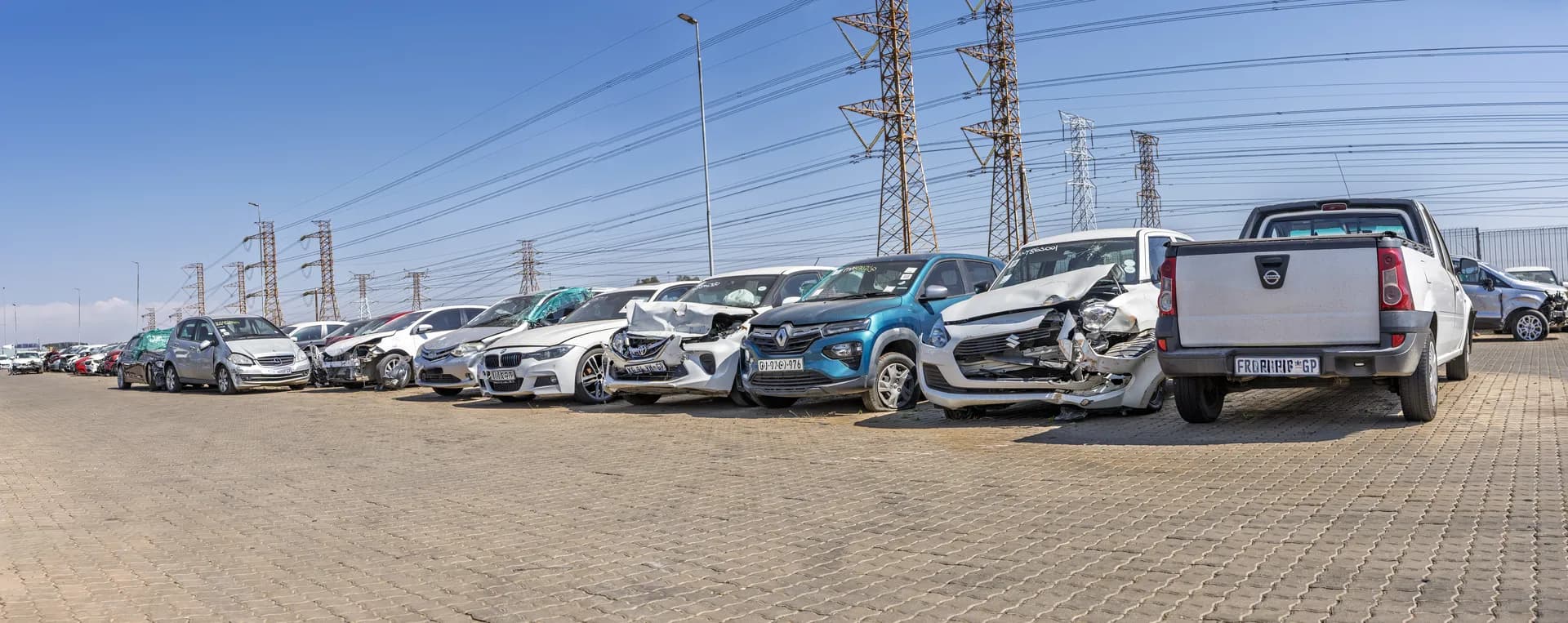
Overview: Why paperwork matters when selling a damaged car
Selling a damaged vehicle in South Africa involves more than agreeing a price. Correct paperwork protects you from future liability, ensures lawful transfer of ownership and helps speed up payment and deregistration. This guide explains the documents you'll need, how to handle vehicles under finance, and practical steps for accident-damaged, flood- or fire-affected, non-running and written-off cars.
Key documents to prepare
- Vehicle registration certificate (logbook) - proof of ownership details and vehicle information.
- ID document or valid South African ID copy of the seller.
- Signed written agreement of sale or tax invoice documenting the transaction and agreed price.
- Deregistered number plates or proof of deregistration procedures (if applicable).
- Letter of authority or settlement statement if the vehicle is still under finance.
- Roadworthy certificate only if the car is sold as roadworthy - usually not required for non-running or written-off vehicles.
- Any insurance or accident reports, where relevant, to clarify claim status.
Quick checklist before you sell
- Locate the logbook and ensure the details match the seller's ID.
- Check whether the vehicle has an outstanding finance balance and get the exact settlement figure from the lender.
- Gather photos and an accurate description of damage to avoid later disputes.
- Decide whether to sell privately or to a specialist buyer who handles paperwork and collection.
SA-specific note
In South Africa, deregistration and transfer are separate processes; if you're selling a written-off or non-running car, professional buyers commonly assist with deregistration and letter-of-authorization forms to simplify transfer. Always obtain written confirmation when the buyer commits to handling deregistration on your behalf.
Table: Common documents, purpose and when required
| Document | Purpose | Typical when selling |
|---|---|---|
| Vehicle Registration (logbook) | Proof of registered owner and vehicle details | Always |
| ID copy | Identity verification for transfer | Always |
| Sale agreement / invoice | Records sale terms, price and date | Always |
| Finance settlement letter | Shows outstanding loan and payout requirements | If vehicle is under finance |
| Insurance/claim documents | Clarifies claim status and payment received | If previously insured/claimed |
When to involve a specialist buyer
If the vehicle is non-running, written-off, under finance or located outside major centres, specialist buyers who purchase damaged cars nationally can greatly reduce admin. They often provide a written sale agreement, take on deregistration tasks and arrange free towing. Confirm the exact documents they will provide and request a receipt showing transfer of ownership and payment terms.
Handling vehicles under finance or with third-party interests
A common complication is an outstanding finance balance. Legally, the registered owner may not have unencumbered title until the lender is settled. To avoid delays:
- Contact the finance company for a written settlement figure and valid payout reference.
- Agree whether the buyer pays the lender directly or you will receive funds to clear the debt before transfer.
- Obtain a written clearance letter or proof of settlement; keep records of all bank transfers as evidence.
Practical example (South Africa)
Example: a 2010 compact car with accident damage may have a competitive salvage demand but still an outstanding finance balance of R25,000. The buyer offers to pay R40,000 and will settle the finance account of R25,000 directly with the bank; the seller then receives the R15,000 remainder. Ensure the bank issues a settlement statement and that the transfer documentation reflects the lender discharge.
Damage disclosure and inspection notes
Honest, accurate descriptions of damage and including clear photos reduce disputes. Provide any accident reports, insurer's assessment, and state whether the vehicle has been declared written-off. Buyers use this information to determine salvage value and paperwork requirements.
Table: Damage types vs typical paperwork implications
| Damage type | Common paperwork needed | Notes |
|---|---|---|
| Accident damage (repairable) | Photos, accident report, insurer correspondence | Full disclosure avoids later disputes |
| Written-off / salvage | Written-off declaration, insurer report, salvage title details | Buyer may require insurer paperwork to confirm status |
| Flood or fire damage | Photos, insurer assessment, parts lists for salvage | Corrosion/failure risks should be disclosed |
Final transfer and deregistration steps
- Complete and sign the sale agreement with buyer and include ID copies and the registration certificate.
- If the buyer undertakes deregistration, obtain written confirmation of the deregistration action and a copy of any forms submitted to the registering authority.
- Keep a payment receipt and bank confirmation when funds are transferred; do not hand over keys or logbook until agreed payment conditions are met.
- Notify the registering authority if required and keep evidence of transfer to avoid future liability for traffic fines or offences.
Tips to protect yourself
- Insist on a signed sale agreement showing full names, ID numbers, vehicle details and sale amount.
- Confirm the buyer's details and company registration (if applicable) and keep copies of correspondence.
- Use traceable payment methods and wait for funds to clear before releasing vehicle or logbook.
- If in doubt, ask for confirmation in writing that the buyer will handle deregistration and obtain proof when completed.
What happens after collection
After the buyer collects the vehicle, ensure you receive written confirmation of collection, a final invoice or receipt, and any documentation submitted to deregistration authorities. Retain copies of everything for at least 3-5 years - useful if any dispute or query arises later. If the buyer promised to settle finance, verify the lender's account is closed or the vehicle's encumbrance removed.
Sources
- Arrive Alive - Vehicle ownership transfer guidance (South Africa) - https://www.arrivealive.co.za/vehicle-ownership-transfer
- National Traffic Information System (NaTIS) - https://www.natis.gov.za/
- Financial Sector Conduct Authority (FSCA) - guidance on credit and finance settlement - https://www.fsb.co.za/
- South African legislation and vehicle regulation resources - https://www.sabinetlaw.co.za/
Related pages: Sell Non-Running Car, Sell Damaged Cars, How to Avoid Being Scammed (for steps to verify buyers and avoid fraud).
Seasoned automotive specialists dedicated to helping you turn your damaged or non-running vehicle into cash fast and hassle-free.
Disclaimer: This content is for educational purposes only. Product availability, pricing, and specifications are subject to change. Always verify current details on the retailer's website before making a purchase. We may earn affiliate commissions from qualifying purchases.
Why sell your damaged car to us?

A Division of Auction Nation, the leading expert in selling damaged cars

Best price for your damaged car

Get a cash offer within 24h

We buy damaged cars in any condition

We buy accident- damaged cars still under finance

Free, no obligation offer on your vehicle
How We Calculate Your Damaged Car’s Value
Wondering how we calculate your car’s value? At Sell Your Damaged Car, we look at: Your car’s real condition, its salvage value, and the current market demand. It’s all about honesty, transparency, and fairness — that’s how we determine your offer.
Frequently Asked Questions
Get answers to common questions about Legal And Paperwork
Why Choose Sell Your Damaged Car?
Free Towing
Need a tow? We got you
Hassle Free
Get a cash offer within 24h!
Nationwide
Somewhere remote? No problem!
