
How to Sell Non-Running Vehicles in South Africa - A Practical Guide
Learn how to sell non-running vehicles in South Africa: when to sell vs repair, the online valuation process, paperwork (including finance and deregistration), and tips to maximise your cash offer.
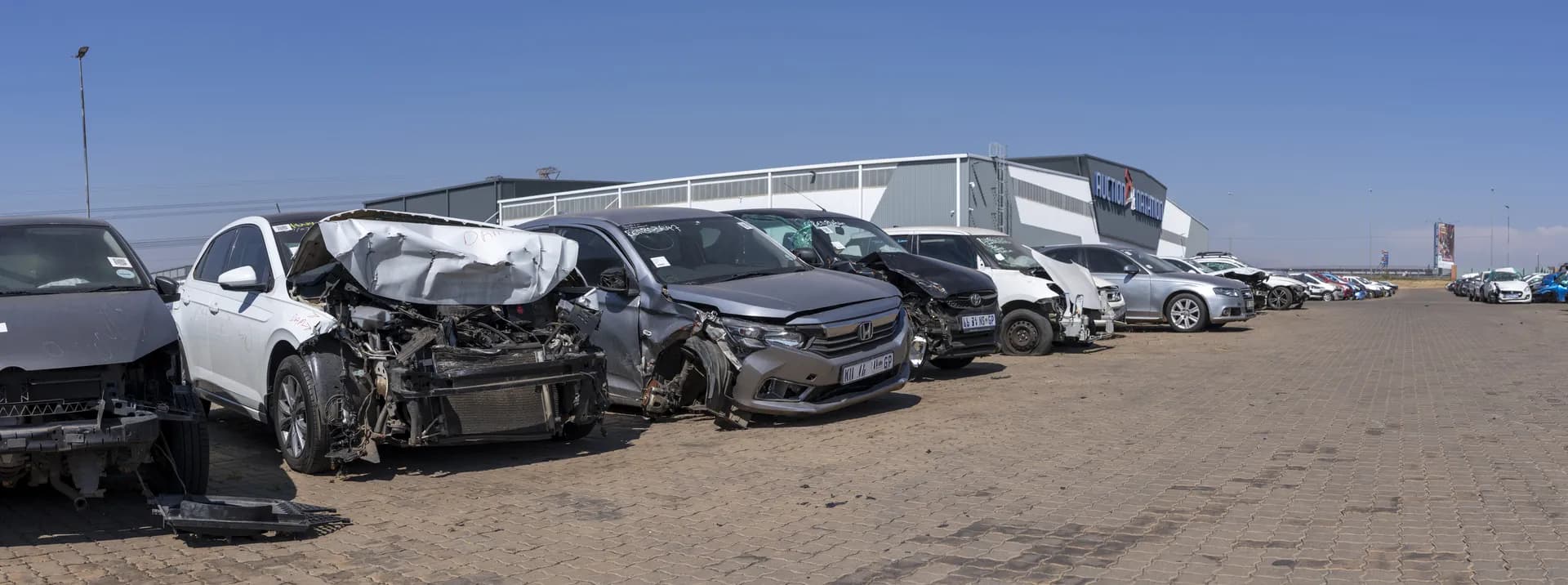
Overview: Selling a Non-Running Vehicle in South Africa
If your vehicle won't start, has serious mechanical failure, or has been written off after an accident, you still have options. Selling non-running vehicles in South Africa can be faster and less costly than lengthy repairs or private sale attempts. This guide explains when to sell rather than repair, how the online valuation and collection process works, and what to expect for paperwork, deregistration and payment.
Why choose to sell a non-running car?
- Avoid ongoing storage, towing and repair bills - parts and labour can quickly exceed market value.
- Convert an unusable asset into cash for immediate needs or to replace the vehicle.
- Simplify logistics: some buyers offer free towing and handle deregistration and paperwork.
When to sell vs when to repair
Deciding whether to repair or sell depends on repair cost, the car's pre-damage market value, and how long you can afford to be without transport. Use realistic local estimates (repairs often quoted in R) and factor in salvage market demand for parts. See our guide to what affects value for common factors to consider.
| Scenario | Typical decision | Reasoning |
|---|---|---|
| Engine seized / major mechanical failure | Sell | Repair costs frequently exceed resale value for older cars. |
| Minor electrical issue preventing start | Repair or sell (case-by-case) | Low-cost diagnostics may restore value; assess quotes first. |
| Written off after collision | Sell to specialist buyer | Specialist buyers and salvage yards purchase for parts or repair projects. |
Quick note: If the vehicle is under finance, contact the finance provider before selling. Many buyers can coordinate settlement, but you must obtain a settlement figure and follow lender instructions to avoid liability.
Damage types and how they typically affect offers
| Damage type | Typical impact on offer |
|---|---|
| Mechanical failure (engine/transmission) | Large reduction; valued for parts or scrap unless repairable. |
| Structural/collision damage | Significant reduction, especially if frame is bent; salvage demand varies. |
| Flood or fire damage | Major reduction; specialist buyers may value components, not the whole car. |
| Non-running due to battery/starter | Smaller reduction if repair cost is low; clearer photos help valuation. For quick sale options, consider quick cash for non-running vehicles. |
How the Selling Process Works (Online & Local Options)
Many South African sellers prefer an online-first approach: upload vehicle details and photos, receive a quick valuation, accept an offer, and schedule free collection. Specialist buyers handle towing, paperwork and payment - a practical choice for Johannesburg, Cape Town, Durban and surrounding regions where logistics can be costly.
Step-by-step: From form to final payment
- 1. Prepare accurate details and photos: make, model, year, mileage, VIN, clear photos from multiple angles and close-ups of faults.
- 2. Get an obligation-free offer: offers are based on condition, market value and salvage demand; expect transparent reasoning from reputable buyers.
- 3. Accept and arrange collection: many services provide free towing nationwide and set a collection time that suits you.
- 4. Paperwork & payment: reputable buyers handle transfer/deregistration steps where applicable and arrange near-instant payment after collection.
What to expect with paperwork in South Africa
Key administrative steps include signing the registration documentation, completing a transfer or deregistration form where applicable, and providing certified ID and proof of ownership. If your car is under finance the lender must be paid from sale proceeds or provide clearance instructions. A good buyer will explain these steps and assist with deregistration to protect you from future liability.
Tips to maximise your offer for a non-running car
- Provide clear, honest photos and descriptions - transparency speeds up accurate offers.
- Include recent service records or parts invoices if available; they can support value.
- Remove personal items and ensure the vehicle is accessible for towing.
- Compare a few offers, but prioritise buyers that include free towing and paperwork handling to avoid hidden costs.
What happens after collection
After your non-running vehicle is collected, the buyer completes the agreed paperwork and releases payment. In most cases payment is processed quickly into your nominated bank account. The buyer then moves the vehicle for dismantling, repairs or resale in the salvage market depending on condition. Keep copies of all signed documents and a record of the transaction for your files.
Practical South Africa examples
Example 1: A private owner in Durban with a non-starting 2008 hatchback chooses to sell because the quoted R25,000 engine repair exceeds the vehicle's practical value. A specialist buyer offers a competitive cash offer, arranges free towing and handles deregistration.
Example 2: A small fleet operator in Johannesburg with several non-running work vehicles prefers to sell multiple units to a single buyer who provides a bulk offer, arranges collection across sites and simplifies paperwork for quick settlement.
Further resources and safe-selling reminders
- Check buyer reviews and request clear payment timelines before you accept an offer.
- Ask how the buyer handles vehicles under finance and request written confirmation of who will settle the lender.
- For more details about selling non-running or damaged vehicles, see Sell Non-Running Car and Sell Damaged Cars pages and the site guidance on How to Avoid Being Scammed.
Sources
Seasoned automotive specialists dedicated to helping you turn your damaged or non-running vehicle into cash fast and hassle-free.
Disclaimer: This content is for educational purposes only. Product availability, pricing, and specifications are subject to change. Always verify current details on the retailer's website before making a purchase. We may earn affiliate commissions from qualifying purchases.
Why sell your damaged car to us?

A Division of Auction Nation, the leading expert in selling damaged cars

Best price for your damaged car

Get a cash offer within 24h

We buy damaged cars in any condition

We buy accident- damaged cars still under finance

Free, no obligation offer on your vehicle
How We Calculate Your Damaged Car’s Value
Wondering how we calculate your car’s value? At Sell Your Damaged Car, we look at: Your car’s real condition, its salvage value, and the current market demand. It’s all about honesty, transparency, and fairness — that’s how we determine your offer.
Frequently Asked Questions
Get answers to common questions about Selling Guides
Why Choose Sell Your Damaged Car?
Free Towing
Need a tow? We got you
Hassle Free
Get a cash offer within 24h!
Nationwide
Somewhere remote? No problem!
