
Salvage Car Process in the Western Cape - What Owners Need to Know
Learn the salvage car process in the Western Cape: valuation, offers, paperwork, deregistration and free collection options. Practical guidance for Cape Town and surrounds.
Overview: What a salvage car process means in the Western Cape
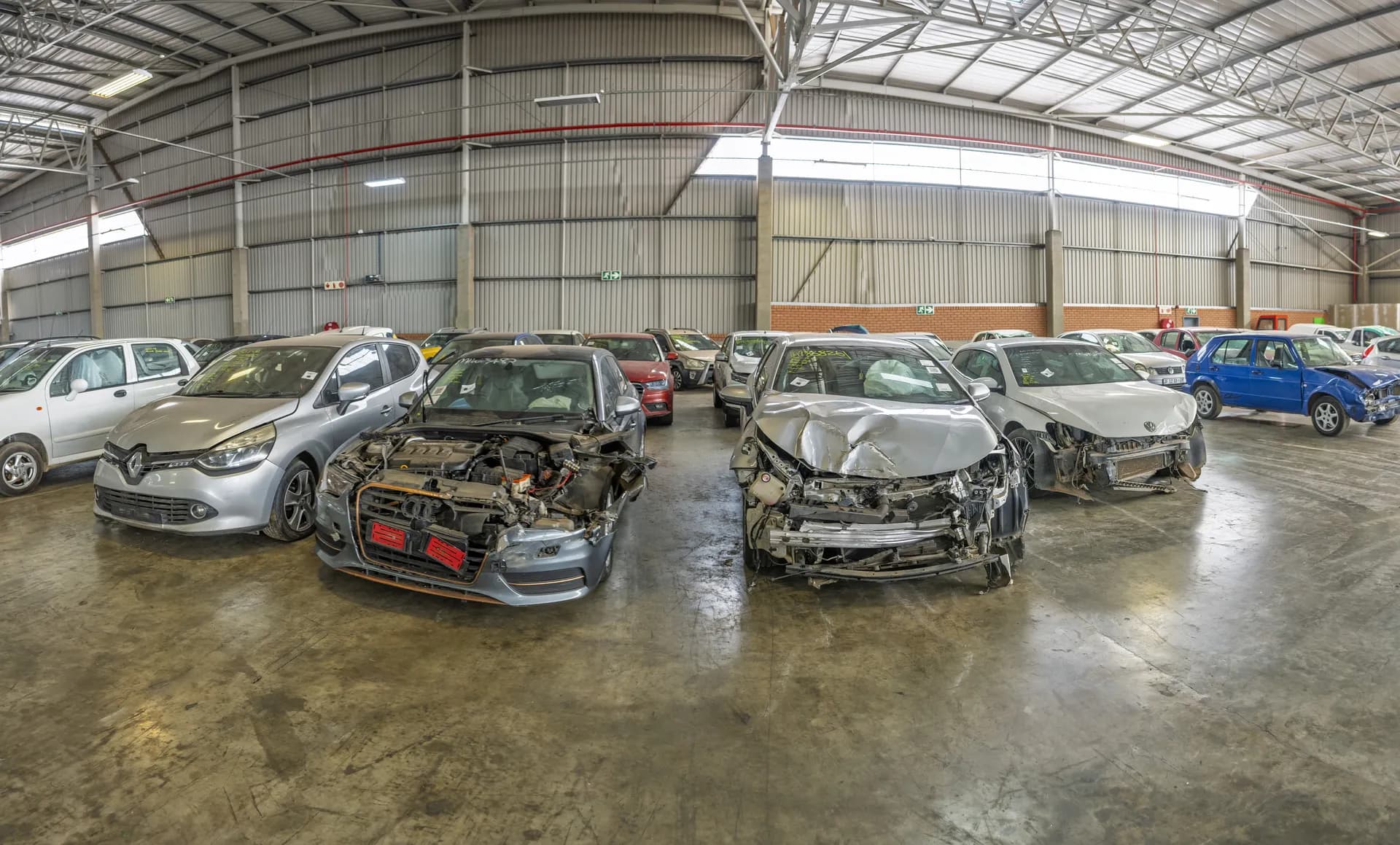
A salvage car is a vehicle declared a write-off by an insurer or owner because repair costs, safety or legal requirements make it uneconomical to restore. In the Western Cape - including Cape Town, Stellenbosch, Paarl and surrounding areas - owners must navigate valuation, offers, transfer paperwork and possible deregistration. Sell Your Damaged Car buys salvage vehicles in any condition, handles paperwork including deregistration, and arranges collection across the province.
When a car becomes salvage
Common triggers are severe accident damage, flood or fire damage, or mechanical failure where repair costs exceed the vehicle's insured or market value. Insurers often label a vehicle as a total loss; private owners can also decide to sell a damaged car as salvage rather than repair it.
Salvage market context in South Africa
Salvage demand varies by make, model and parts market. In the Western Cape, salvage vehicles may attract interest from repairers, parts recyclers and export buyers. Offers depend on condition, component value and the local demand for spares. Market values fluctuate; any example prices given here are indicative and expressed in R to reflect South African context.
Quick note: Selling salvage through a specialist avoids towing logistics and paperwork headaches. Services often include free towing across the Western Cape and help with deregistration.
Repair cost vs retained value (example table)
| Scenario | Estimated repair cost (R) | Likely retained market value after repair (R) |
|---|---|---|
| Moderate frontal damage (5-year sedan) | R25,000 - R45,000 | R80,000 - R95,000 |
| Severe structural damage (older bakkie) | R60,000 - R120,000 | R50,000 - R80,000 |
| Flood-damaged city car | R30,000 - R70,000 | R20,000 - R40,000 |
These ranges are illustrative. If repair costs approach or exceed the post-repair market value, selling as salvage is often the practical option.
Damage types vs typical offer impact
| Damage type | Typical impact on offer |
|---|---|
| Cosmetic panel damage | Minor reduction; parts resale helps value |
| Structural/frame damage | Significant reduction due to safety concerns |
| Flood or water intrusion | Major reduction; electrical risk lowers offers |
| Fire damage | Large reduction; salvage mostly for parts |
Offers depend on clear photos, accurate descriptions and vehicle documents. Providing odometer reading, service history and multiple images from Western Cape locations (e.g., Cape Town suburb or Boland towns) helps valuation accuracy.
When to sell salvage vs attempt repair
Choose to sell as salvage when repair times and costs, plus downtime and safety concerns, outweigh the benefit of restoring the car. For many owners in the Western Cape, selling salvage is quicker, reduces risk and frees up funds for a replacement vehicle.
Step-by-step: salvage car process in the Western Cape
- Submit vehicle details and photos: include location (e.g., Cape Town CBD, Durbanville or Paarl), accurate damage description and images showing VIN, interior and affected areas.
- Receive an offer: specialist buyers calculate a transparent cash offer based on condition, parts value and local demand.
- Accept the offer and arrange collection: many services provide free towing in the Western Cape and schedule pick-up at your convenience.
- Paperwork and deregistration: the buyer can assist with transfer of ownership, settlement of outstanding finance where applicable, and deregistration steps with the relevant authorities.
- Payment and final checks: payment is released and verified after collection and completion of agreed documents.
Legal & paperwork considerations specific to the Western Cape
Common issues include vehicles under finance, the need for a police clearance if the vehicle was reported stolen, and confirming the registered owner signs transfer documents. If a vehicle is financed, the finance provider must be paid or give written consent before ownership transfer. A reputable buyer will guide you through these steps and notify local registering authorities if required.
Tips to maximise your salvage offer
- Provide clear photos: include VIN, engine bay, and close-ups of damage and interiors.
- Provide documentation: service records, keys, logbook (if available) and proof of identity speed up the process.
- Be honest about repairs and flood/fire exposure: undisclosed issues can reduce final offers after inspection.
- Compare offers: request quotes from specialist buyers to ensure a competitive cash offer for Western Cape conditions.
What happens after collection
After collection, the buyer typically performs a final inspection, completes ownership transfer documents and pays the agreed amount. The vehicle may be dismantled for parts, repaired for resale by licensed rebuilders, or sold to specialist exporters depending on condition and demand. Keep copies of all paperwork and confirmation of deregistration where applicable.
Practical examples from the Western Cape
Example: A 2012 hatchback with flood-damaged electronics in Mitchells Plain may attract lower offers due to electrical uncertainty, while a late-model bakkie with intact drivetrain but front-end damage in Somerset West could have higher parts value. Local demand in Cape Town suburbs for common parts can lift offers compared with remote areas.
Where to get help and further reading
If you're unsure whether to repair or sell, obtain multiple written estimates and speak to specialist salvage buyers who operate in the Western Cape. For guidance on recognising scams and safe sale practices, consult the Sell Damaged Cars and Sell Non-Running Car pages, and follow advice on how to avoid being scammed when selling a vehicle.
Sources
- Road Traffic Management Corporation (South Africa) - rtmc.co.za
- South African legislation and vehicle registration guidance - sabinet.co.za
- Western Cape Government official site - westerncape.gov.za
- Sell Damaged Cars - Sell Your Damaged Car
- Sell Non-Running Car - Sell Your Damaged Car
- How it works - Sell Your Damaged Car
Seasoned automotive specialists dedicated to helping you turn your damaged or non-running vehicle into cash fast and hassle-free.
Disclaimer: This content is for educational purposes only. Product availability, pricing, and specifications are subject to change. Always verify current details on the retailer's website before making a purchase. We may earn affiliate commissions from qualifying purchases.
Why sell your damaged car to us?

A Division of Auction Nation, the leading expert in selling damaged cars

Best price for your damaged car

Get a cash offer within 24h

We buy damaged cars in any condition

We buy accident- damaged cars still under finance

Free, no obligation offer on your vehicle
How We Calculate Your Damaged Car’s Value
Wondering how we calculate your car’s value? At Sell Your Damaged Car, we look at: Your car’s real condition, its salvage value, and the current market demand. It’s all about honesty, transparency, and fairness — that’s how we determine your offer.
Frequently Asked Questions
Get answers to common questions about Legal And Paperwork
Why Choose Sell Your Damaged Car?
Free Towing
Need a tow? We got you
Hassle Free
Get a cash offer within 24h!
Nationwide
Somewhere remote? No problem!
