
Selling Your Salvage Car in Cape Town - Practical Guide for Vehicle Owners
Step-by-step guide for Cape Town owners: when to sell versus repair, how offers are made, paperwork, free towing options and tips to improve salvage sale outcomes.
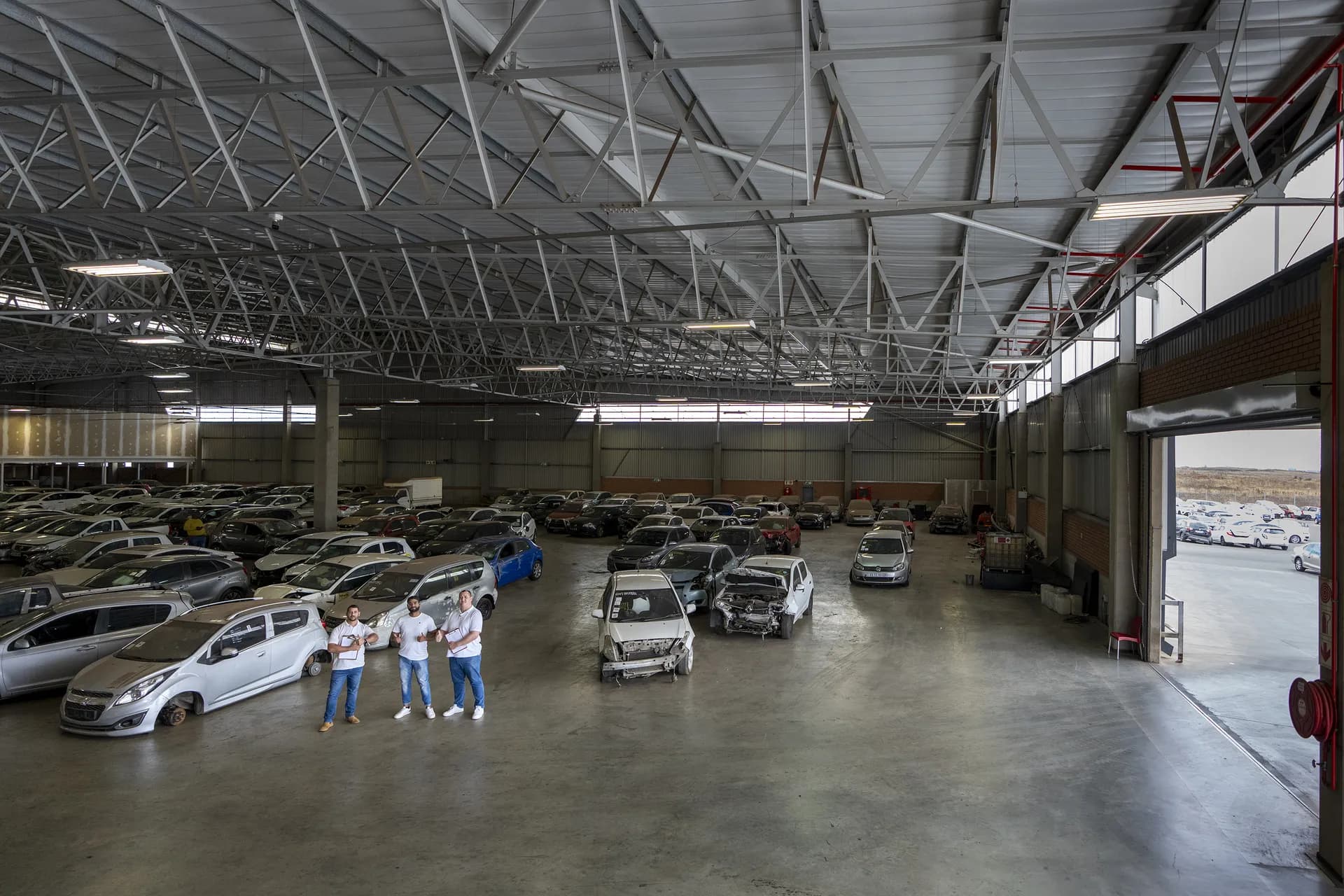
Overview: What Selling a Salvage Car in Cape Town Involves
If your vehicle has been declared salvage or written off after an accident, or has severe damage from flood, fire or major mechanical failure, selling to a specialist buyer is often the quickest way to recover value. In Cape Town you have options: private salvage buyers, auto recyclers, insurance-salvage auctions, and specialist cash buyers who collect nationwide. This guide explains when to sell versus repair, how the local process typically works, the paperwork and legal considerations specific to South Africa, and practical tips to maximise your offer.
When to Sell vs Repair a Salvage Vehicle
Deciding whether to repair or sell a salvage car depends on repair cost, the car's pre-accident market value, insurance position, and your intended use. In Cape Town, higher labour and parts costs and specialised repairs (collision repair, structural work) often make selling more attractive for older vehicles or heavy structural damage.
Quick decision checklist
- Repair estimate exceeds 50-70% of the car's market value - consider selling.
- Structural or frame damage that affects safety - selling is often safer and more economical.
- Vehicle is under finance - check with your lender before making any sale decisions.
Repair cost vs value retained
| Repair cost (estimate) | Typical retained market value after repair (estimate) | Practical action |
|---|---|---|
| R5,000 - R20,000 | Mostly retained; repair often worthwhile | Get quotes, consider local Cape Town repairers |
| R20,000 - R50,000 | Significant loss vs pre-accident value | Compare repair vs salvage sale offers |
| Over R50,000 | Often uneconomical unless high-value vehicle | Selling as salvage usually recommended |
Note: Figures are illustrative South Africa examples. Local Cape Town labour or parts premiums and the vehicle's make/model will affect exact outcomes.
How the Selling Process Works in Cape Town
Specialist buyers follow a predictable flow: you provide vehicle details and photos, receive an offer based on condition and salvage demand, accept if suitable, then arrange collection and final paperwork. Many reputable services now offer nationwide collection, handle deregistration, and provide immediate payment on collection. This simplifies selling when you cannot or prefer not to repair a salvage vehicle.
Typical step-by-step
- Submit basic vehicle details: make, model, year, VIN, odometer and clear photos of damage.
- Receive an obligation-free cash offer that reflects salvage demand in South Africa.
- If you accept, agree a collection time; many buyers provide free towing across Cape Town and surrounding areas.
- Buyer handles paperwork (including deregistration where applicable) and releases payment on collection or shortly after verification.
Damage types vs typical offer impact
| Damage type | Typical impact on offers | Cape Town considerations |
|---|---|---|
| Cosmetic (panels, paint) | Lower impact; higher offers if mechanicals OK | Local body shops available but costs vary |
| Structural/frame | High negative impact; safety concerns reduce value | Often sold for parts or scrap in region |
| Flood or fire | Significant depreciation; components often unusable | Salt water damage common in coastal areas; disclose fully |
| Mechanical failure (engine/transmission) | Offers depend on whether parts are salvageable | Popular for projects or spares market in Western Cape |
Legal & Paperwork in South Africa (Cape Town Context)
When you sell a salvage vehicle in South Africa you must transfer ownership correctly and, if relevant, deregister the vehicle with the Licensing Authority. If the vehicle is bonded (under finance), the lender must be notified and typically paid from the sale proceeds. Buyers who handle paperwork reduce the administrative burden for sellers; confirm which documents the buyer will prepare and which you must supply.
Documents commonly required
- Vehicle Registration Document (logbook) or proof of ownership
- Valid ID of the seller
- Original keys and any service records if available
- Letter or settlement details if vehicle is under finance
Tips to Maximise Your Offer in Cape Town
- Be honest and thorough in your description and photos: transparent listings get faster, more reliable offers.
- Provide clear photos of VIN/chassis, damage areas, and interior - buyers price risk, and good images reduce deductions.
- Gather service records and proof of recent maintenance; even salvage cars can show value in reusable parts.
- Check multiple buyers: commercial buyers, recyclers and specialist national services often vary by a few percent.
- Confirm inclusions: free towing within Cape Town, who handles deregistration, and timing of payment.
What Happens After Collection
On collection, the buyer will verify vehicle condition against the photos and agreed description. Reputable buyers pay on collection or release funds soon after verification. The buyer should handle transfer paperwork and provide a receipt and transfer confirmation. If the vehicle was bonded, expect the lender to be involved in the final settlement process.
Practical Cape Town example (experience-based)
Example: A private owner in Milnerton submits photos of a written-off hatchback with front-end structural damage. Two specialist buyers provide offers; one includes free towing from the owner's driveway in the northern suburbs and handles deregistration. After accepting, the owner receives payment into their bank account once the vehicle is loaded and documents are signed. Local towing and admin reduce the time and cost compared to arranging independent collection.
Where to Find Help & Further Reading
For details about selling non-running or damaged vehicles, see the Sell Damaged Cars and Sell Non-Running Car pages. If you're concerned about scams when selling a salvage vehicle, consult resources on how to avoid being scammed and verify any buyer's company details and reviews before proceeding.
Sources
- South African Department of Transport - Official information on vehicle licensing and registration https://www.transport.gov.za/
- Motor Industry Workshop Association (MIWA) or local Western Cape motor industry pages for repair and parts guidance https://www.mra.org.za/
- Sell Your Damaged Car - Sell Damaged Cars page for nationwide specialist buying services https://sellyourdamagedcar.co.za/Sell_Damaged_Cars
- Sell Your Damaged Car - Sell Non-Running Car guidance and process https://sellyourdamagedcar.co.za/Sell_Non_Running_Car
Seasoned automotive specialists dedicated to helping you turn your damaged or non-running vehicle into cash fast and hassle-free.
Disclaimer: This content is for educational purposes only. Product availability, pricing, and specifications are subject to change. Always verify current details on the retailer's website before making a purchase. We may earn affiliate commissions from qualifying purchases.
Why sell your damaged car to us?

A Division of Auction Nation, the leading expert in selling damaged cars

Best price for your damaged car

Get a cash offer within 24h

We buy damaged cars in any condition

We buy accident- damaged cars still under finance

Free, no obligation offer on your vehicle
How We Calculate Your Damaged Car’s Value
Wondering how we calculate your car’s value? At Sell Your Damaged Car, we look at: Your car’s real condition, its salvage value, and the current market demand. It’s all about honesty, transparency, and fairness — that’s how we determine your offer.
Frequently Asked Questions
Get answers to common questions about LOCATIONS
Why Choose Sell Your Damaged Car?
Free Towing
Need a tow? We got you
Hassle Free
Get a cash offer within 24h!
Nationwide
Somewhere remote? No problem!
