
Western Cape Car Salvage Process: A Practical Guide for Vehicle Owners
Learn the Western Cape salvage process for written-off and non-running cars: assessment, offers, eNaTIS transfer, finance considerations and tips to improve your salvage outcome.
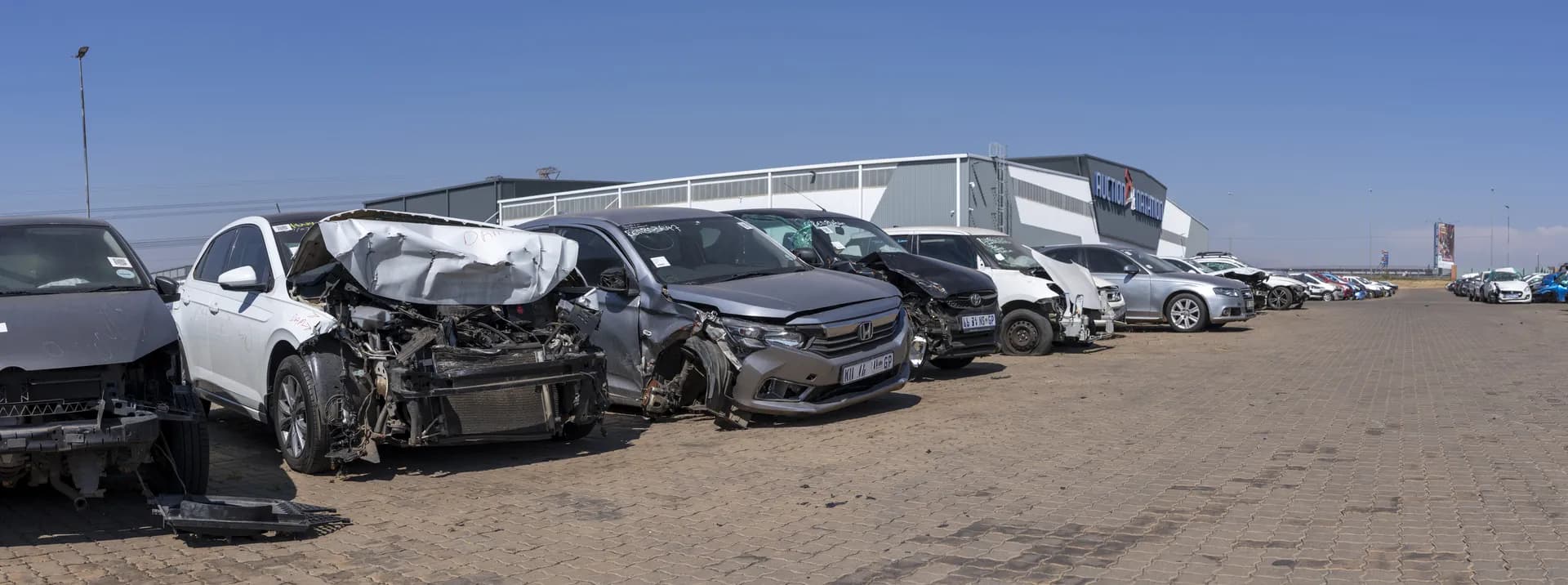
Overview: What "salvage" means in the Western Cape
In South Africa a salvage vehicle generally refers to a car that has been damaged to the point where repair costs, insurer ratings or roadworthiness assessments mean it is not returned to regular use without significant work. In the Western Cape this intersects with provincial vehicle licensing, national registration (eNaTIS) processes and the local salvage market which includes dismantlers, rebuilders and export buyers. If you own a damaged, accident-written-off, flood or fire-damaged or non-running vehicle, understanding the salvage process helps you choose whether to repair, sell to a trade buyer or use a specialist buyer like Sell Your Damaged Car.
Key terms you will see
- Written-off / total loss: insurer or assessor deems repair uneconomic compared to market value.
- Salvage title / salvage status: administrative classification that affects registration and re-sale.
- Deregistering / transfer: removal from your name and transfer of ownership to the buyer or dismantler.
Who is involved
- Owner / seller in the Western Cape (private or fleet).
- Insurer and assessor when insurance is involved.
- Salvage buyers, dismantlers and recycling businesses.
- Provincial licensing and national registration systems (eNaTIS).
Practical note: If the vehicle is on finance, the lender must be notified and typically needs to approve any sale. Always check outstanding finance before accepting an offer.
Salvage market context in the Western Cape
Western Cape ports and major metros (Cape Town, Stellenbosch, George) create demand for parts and exportable salvage. Local dismantlers often pay for usable components while rebuilders and exporters bid on complete salvage units. Market demand, vehicle make/model, age and the specific damage type shape offers.
Repair cost vs value retained (example table)
| Scenario | Estimated repair cost (R) | Typical retained market value after repair (%) |
|---|---|---|
| Minor front-end damage | R10,000 - R30,000 | 80-95% |
| Structural frame damage | R30,000 - R120,000+ | 40-70% |
| Flood or fire damage | Highly variable | Often <50% |
Notes: Figures are illustrative South Africa-context estimates. Actual costs and retained values depend on vehicle age, parts availability and labour. For many Western Cape owners, a competitive cash offer plus free collection is a practical alternative to expensive repairs. If you want to get an indicative figure, request a Western Cape damaged car quote.
When to sell as salvage vs repair
Decide to sell when repair costs approach or exceed the car's pre-damage market value, when downtime and storage costs matter, or when administrative complexity (insurer write-off, finance liens) makes repair unattractive. Fleet owners in Cape Town or Eden District often choose salvage sales to avoid prolonged operational losses.
How the Western Cape salvage process typically works
1. Initial assessment
Provide photos and details (make, model, year, VIN, mileage, damage description). Buyers or assessors will estimate repairability and market demand for parts.
2. Offer and negotiation
Offers reflect condition, demand, logistics and any outstanding finance. Transparent buyers explain deductions for towing, salvageable parts and administrative steps.
3. Paperwork and transfer
A valid ID, vehicle registration document, and a signed transfer form are standard. In the Western Cape provincial licensing office and eNaTIS records must reflect the transfer or deregistration. Specialist buyers often handle these steps on your behalf.
4. Collection and payment
After paperwork is complete, the buyer arranges collection. Many professional salvage buyers cover towing costs within the Western Cape and nationwide. Payment is released and verified once transfer conditions are met.
Damage types vs typical offer impact
| Damage type | Typical effect on offer |
|---|---|
| Cosmetic (bumper, panels) | Small reduction; parts easily reused |
| Mechanical (engine, transmission) | Significant reduction; depends on repairability |
| Structural / chassis | Large reduction; often classified as write-off |
| Flood or fire | Offers typically lower; many components unsellable |
Legal & paperwork specifics for Western Cape owners
- Check registration status on eNaTIS and ensure transfer forms are completed accurately; incomplete transfer can leave you liable.
- If the vehicle is financed, obtain written consent from the finance provider or settle the outstanding balance before transfer.
- Obtain a receipt and a copy of the signed transfer form. Keep records until the provincial licensing office confirms the change of ownership.
Tips to maximise your salvage offer (practical examples)
- Provide clear photos from multiple angles and a brief timeline of events; buyers in Cape Town favour complete documentation when bidding.
- List any new parts recently fitted (batteries, tyres, alternator) - parts in good condition retain value.
- Be transparent about flood or fire exposure; early disclosure avoids later disputes and supports a faster transfer.
What happens after collection
Once the buyer collects the vehicle, they will typically process deregistration or transfer, dismantle for parts, repair for resale if feasible, or prepare for export. You should receive final confirmation of transfer from the buyer or the licensing authority. Retain your payment documentation and any settlement letters from finance providers.
South Africa-specific notes and resources
- Free towing: many professional salvage buyers provide free collection across South Africa, including the Western Cape; confirm this in writing.
- Deregistration and eNaTIS updates are national processes - expect administrative timelines of days to a few weeks.
- Vehicles under finance must involve the lender; a payout or settlement letter is usually required before final transfer.
Helpful internal resources
- Sell Non-Running Car - guidance for non-starters and mechanically failed vehicles.
- Sell Damaged Cars - options for accident-damaged and written-off vehicles.
- How we work - explains online valuation, free towing and paperwork handling.
Sources
Seasoned automotive specialists dedicated to helping you turn your damaged or non-running vehicle into cash fast and hassle-free.
Disclaimer: This content is for educational purposes only. Product availability, pricing, and specifications are subject to change. Always verify current details on the retailer's website before making a purchase. We may earn affiliate commissions from qualifying purchases.
Why sell your damaged car to us?

A Division of Auction Nation, the leading expert in selling damaged cars

Best price for your damaged car

Get a cash offer within 24h

We buy damaged cars in any condition

We buy accident- damaged cars still under finance

Free, no obligation offer on your vehicle
How We Calculate Your Damaged Car’s Value
Wondering how we calculate your car’s value? At Sell Your Damaged Car, we look at: Your car’s real condition, its salvage value, and the current market demand. It’s all about honesty, transparency, and fairness — that’s how we determine your offer.
Frequently Asked Questions
Get answers to common questions about Legal And Paperwork
Why Choose Sell Your Damaged Car?
Free Towing
Need a tow? We got you
Hassle Free
Get a cash offer within 24h!
Nationwide
Somewhere remote? No problem!
