
Legal Aspects of Salvage Vehicle Insurance Claims in South Africa: An Owner's Guide
A detailed guide to South African salvage vehicle insurance claims: legal steps, rights, Code 3 and 4 rules, deregistration, and key legal tips for selling or retaining a written-off car.
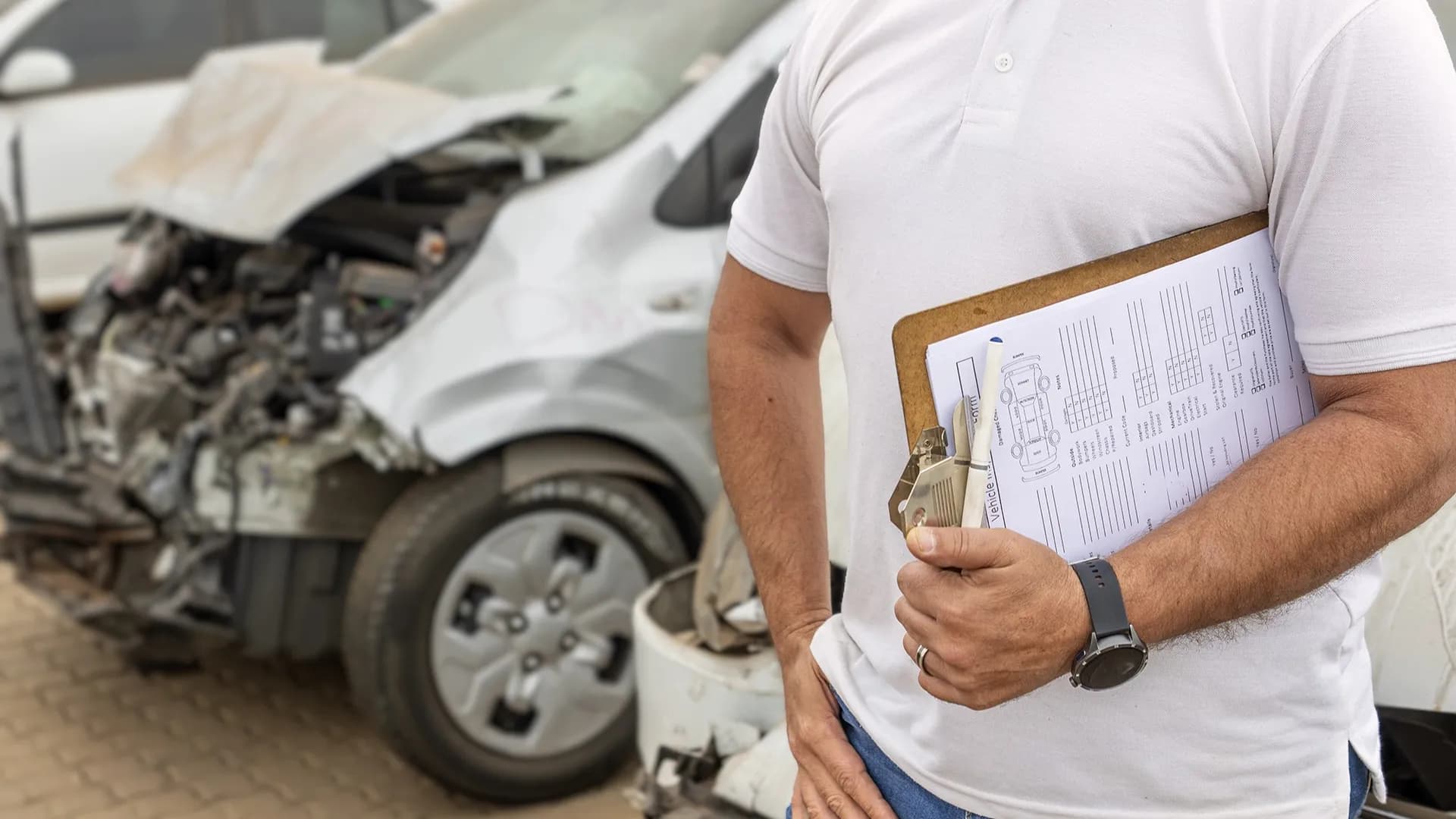
Overview: What Is a Salvage Vehicle Under South African Law?
When a car is written off-or declared a "total loss"-by your insurer after a serious accident, fire, flood or theft, it's usually classified as a salvage vehicle in South Africa. This means the insurer believes repairs aren't economically viable or safe. Legal, financial, and practical implications follow for the car's owner, whether you're a private individual or running a small fleet. Staying informed helps you avoid disputes and secure your rightful compensation.
Types of Write-Offs and Salvage Categories
| Salvage Category | Description | Legal Notes |
|---|---|---|
| Code 3 | A car deemed 'rebuilt' after severe accident damage | Can be returned to the road-but with limitations and regulatory scrutiny |
| Code 4 | A vehicle written off as non-repairable-salvage only | Legally cannot be re-registered for use again |
Most cars written off by insurers in South Africa become Code 3 (if repaired and inspected for roadworthiness) or Code 4 (irreparable, for scrap or spares only). The VIN and registration are flagged with these statuses, affecting what you can legally do with the vehicle thereafter.
Insurance Claims: Process, Rights & Legal Obligations
Filing a claim for a salvage vehicle involves several legal steps. South African insurers must treat policyholders fairly according to the Short-term Insurance Act, but the claims and salvage process can be confusing. Owners may have questions about valuation, payout timelines, and transferring ownership after settlement.
- Upon declaring a total loss, the insurer usually takes legal ownership, unless you choose to retain the vehicle as salvage (with a reduced payout).
- Insurers must deregister the car from the eNaTIS system as Code 3 or 4 if it's written off.
- You must notify the traffic department if you retain salvage, as the car's legal status changes.
Typical Insurance Claim Timeline
| Stage | What Happens | Legal Notes |
|---|---|---|
| Claim Submission | Policyholder reports damage and submits claim forms, photos, police report (if required) | Falsifying info can invalidate claim; immediate reporting is best |
| Assessment & Valuation | Insurer inspects vehicle, determines extent of damage & estimated repair cost | Owner entitled to see assessment results |
| Total Loss Declaration | Insurer notifies owner, offers cash settlement, arranges paperwork for transfer to salvage | Policy must explain settlement criteria & owner's salvage retention rights |
If you disagree with the assessment or value offered, you have a right to dispute through the insurer's internal complaints process and-if unresolved-through the Ombudsman for Short-Term Insurance.
Ownership, Deregistration and Selling Salvage Cars Legally
Once your car is written off and declared salvage, it must be deregistered with the licensing authority. In South Africa, this process is critical to prevent any future liability or fraud under your name. The car's registration on the eNaTIS system will show as Code 3 (rebuilt) or Code 4 (permanently demolished). This affects insurance eligibility, resale value, and legal re-use.
- Code 3 vehicles can return to the road, but only after repairs and a full roadworthy inspection. The Code 3 status remains on the vehicle record indefinitely.
- Code 4 vehicles cannot legally be licensed or used on public roads ever again. They may only be sold as spares or scrap metal.
If you choose to sell your salvage car (either to a salvage yard, vehicle recycler, or specialist service like Sell Your Damaged Car), ensure all paperwork-proof of deregistration, previous title, and updated traffic register-are in order. This protects you from future e-toll or traffic fines and ensures the transaction is valid under South African law.
Legal Tips: Maximising Your Claim & Staying Compliant
- Document all communication with your insurer and keep assessment reports.
- If retaining a salvage car, notify your insurer and licensing authority in writing.
- Request transfer-of-ownership documents when handing over your salvage vehicle post-settlement.
- Be wary of offers from "backyard" buyers who may not comply with legal transfer-use reputable, registered salvage buyers.
After the Claim: What Happens to Your Salvage Vehicle?
Once a settlement is paid, the insurer (or the buyer, if you retain salvage) takes ownership. For Code 4 vehicles, this typically means dismantling for spares or scrapping. For Code 3 cars, the next owner may repair and seek a new roadworthy certificate, though resale value will always be impacted by the salvage history.
Common Questions About Salvage Vehicle Laws in South Africa
- Can I drive a salvage car? Not if it's Code 4. Code 3 vehicles may be driven only after roadworthy inspection and re-registration.
- What about vehicles still under finance? The finance provider is often entitled to settle the claim amount. Check your agreement before negotiating with your insurer.
- Can I insure a rebuilt salvage car? Some insurers may refuse to cover Code 3 vehicles, or offer only limited cover-always confirm terms before purchase or resale.
Sources
Seasoned automotive specialists dedicated to helping you turn your damaged or non-running vehicle into cash fast and hassle-free.
Disclaimer: This content is for educational purposes only. Product availability, pricing, and specifications are subject to change. Always verify current details on the retailer's website before making a purchase. We may earn affiliate commissions from qualifying purchases.
Why sell your damaged car to us?

A Division of Auction Nation, the leading expert in selling damaged cars

Best price for your damaged car

Get a cash offer within 24h

We buy damaged cars in any condition

We buy accident- damaged cars still under finance

Free, no obligation offer on your vehicle
How We Calculate Your Damaged Car’s Value
Wondering how we calculate your car’s value? At Sell Your Damaged Car, we look at: Your car’s real condition, its salvage value, and the current market demand. It’s all about honesty, transparency, and fairness — that’s how we determine your offer.
Frequently Asked Questions
Get answers to common questions about Legal And Paperwork
Why Choose Sell Your Damaged Car?
Free Towing
Need a tow? We got you
Hassle Free
Get a cash offer within 24h!
Nationwide
Somewhere remote? No problem!
