
Understanding Insurance Payouts for Accident Vehicles in South Africa: What Owners Need to Know
Learn how insurance payouts for accident-damaged vehicles work in SA. Get insight into write-offs, valuations, and your options after settlement. Expert, SA-specific advice.
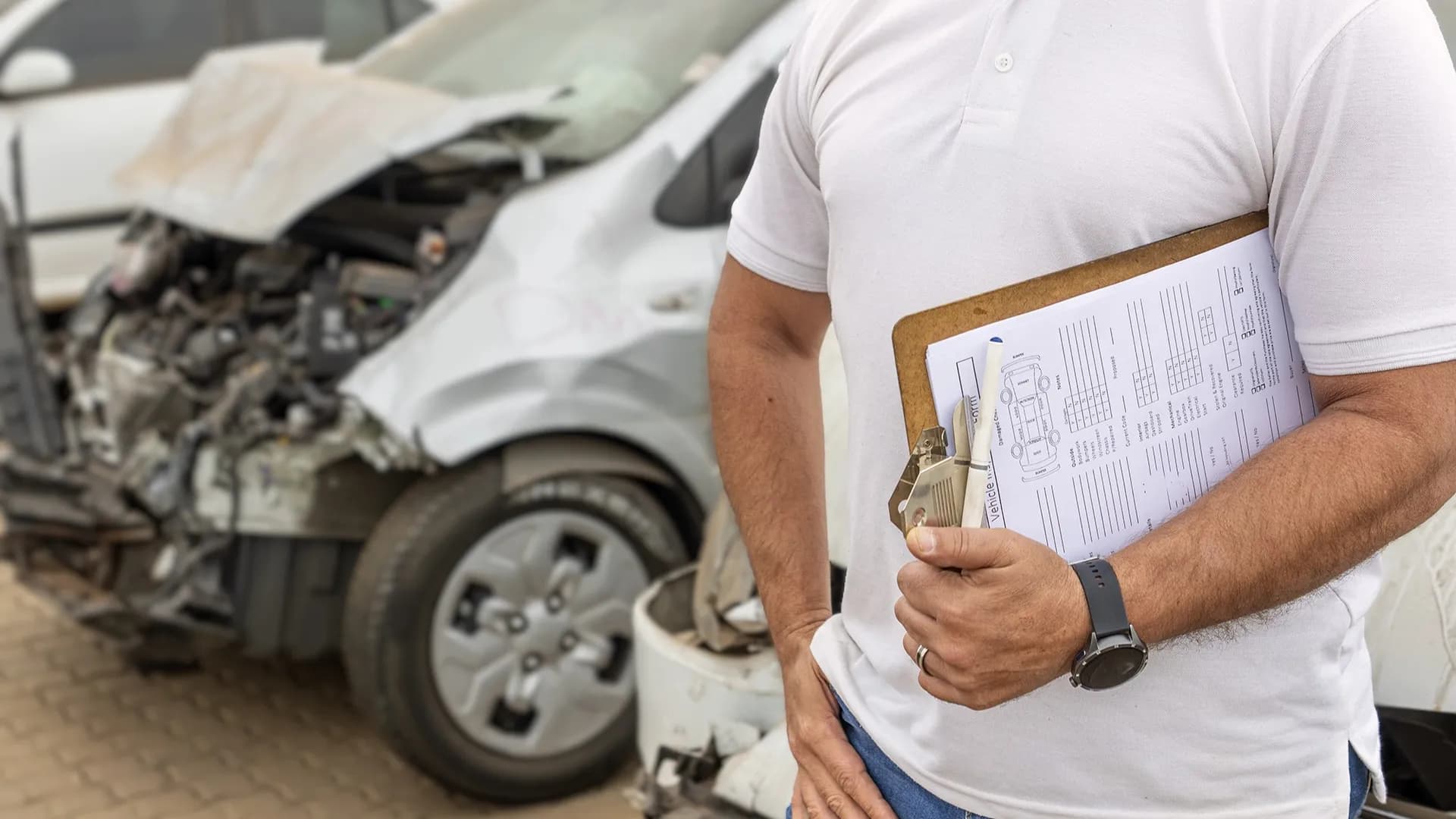
Overview: Insurance Payouts for Accident Vehicles in South Africa
If your car has suffered accident damage, getting to grips with the insurance payout process in South Africa is crucial. Accident payouts can dictate whether your car is repaired, written off and deregistered, or paid out at its market or salvage value. This guide will help you understand the process-from claim submission to final payout-and what you can do with your accident-damaged vehicle after settlement.
Types of Accident Insurance Cover in South Africa
- Comprehensive cover: Pays for repairs or writes off the vehicle, considering current value and market conditions.
- Third-party, fire and theft: Does not cover accident damage to your car, only liability losses, fire, or theft.
- Total loss (write-off): For severe damage, insurers may declare your vehicle uneconomical to repair (written-off) and pay out its current market or retail value, less excess.
When Is a Vehicle Declared a Write-Off?
A write-off (statutory or uneconomical to repair) occurs when the repairs cost more than a set percentage of the car's value (typically 60%-70% in South Africa). In these cases, the insurance payout is usually based on the car's pre-accident market value. If the insurer allows, you might buy back the salvage (damaged car) at a reduced value.
Table: Repair Cost vs. Value Retained (Estimate)
| Repair Cost (% of Value) | Likely Insurance Action | Usual Owner Scenario |
|---|---|---|
| Under 40% | Repair Approved | Car is fixed and returned |
| 40%-70% | Case Dependent | Sometimes written off, sometimes repaired |
| Over 70% | Write-Off (Total Loss) | Payout; car potentially sold as salvage |
How the Insurance Claims Process Works
Filing an insurance claim after an accident typically involves:
- Reporting the incident to your insurer and SAPS (case number required)
- Completing claim forms and submitting accident photos, repair quotes, and vehicle documents
- Assessment by an insurance-appointed assessor
- Approval of repairs or declaration as a write-off
- Payment of insurance excess by the owner if repairs proceed
For write-offs, the insurer will pay you or the finance house (if under finance) the pre-accident value, less any applicable excess. The car's status at eNaTIS will be updated (code 3 or 4, meaning damaged/uneconomical to repair or permanently demolished).
Key Considerations: Legal and Admin After an Accident Payout
- If you receive a payout and keep the damaged car (salvage), it will be deregistered or marked as code 3 or code 4. Selling such a vehicle requires full disclosure and proper paperwork.
- If the car is under finance, the bank will be paid first; any balance (if payout exceeds finance) goes to you.
- Be mindful of your excess and any additional policy limitations such as market value vs. retail/purchase value clauses.
Table: Damage Type vs. Impact on Payout
| Damage Type | Payout Likelihood | Typical Outcome |
|---|---|---|
| Bodywork (minor) | High | Repaired and returned |
| Major Structural | Moderate to High | Possible write-off based on cost and safety |
| Flood or Fire Damage | Variable | Often considered total loss (write-off) |
Tips for Maximising Your Insurance Payout
- Keep up-to-date maintenance and accident records to justify market value
- Seek multiple quotes for repairs if allowed by your insurer before approval
- Negotiate valuation if you believe insurer's offer is below market norms
- Understand your rights regarding salvage retention-selling to a reputable buyer can be easier
After the Payout: What Happens to Your Accident Vehicle?
Once you've settled with the insurer, your options typically include:
- Surrendering the car to insurers (they dispose via auction or salvage networks)
- Buying back the salvage to repair, keep for parts, or sell (subject to South Africa roadworthiness laws)
- Selling a code 3/4 vehicle to a specialist buyer (such as Sell Your Damaged Car) for a competitive cash offer, with free towing and all paperwork-ensuring transparent, lawful transfer and deregistration
Internal Resources
Sources
Seasoned automotive specialists dedicated to helping you turn your damaged or non-running vehicle into cash fast and hassle-free.
Disclaimer: This content is for educational purposes only. Product availability, pricing, and specifications are subject to change. Always verify current details on the retailer's website before making a purchase. We may earn affiliate commissions from qualifying purchases.
Why sell your damaged car to us?

A Division of Auction Nation, the leading expert in selling damaged cars

Best price for your damaged car

Get a cash offer within 24h

We buy damaged cars in any condition

We buy accident- damaged cars still under finance

Free, no obligation offer on your vehicle
How We Calculate Your Damaged Car’s Value
Wondering how we calculate your car’s value? At Sell Your Damaged Car, we look at: Your car’s real condition, its salvage value, and the current market demand. It’s all about honesty, transparency, and fairness — that’s how we determine your offer.
Frequently Asked Questions
Get answers to common questions about Legal And Paperwork
Why Choose Sell Your Damaged Car?
Free Towing
Need a tow? We got you
Hassle Free
Get a cash offer within 24h!
Nationwide
Somewhere remote? No problem!
