
How Insurers Evaluate Damaged Vehicles in South Africa: Process, Factors & Implications
Learn how South African insurers assess damaged vehicles, calculate repair vs value, explain code 3/4 status, and how owners can navigate the process.
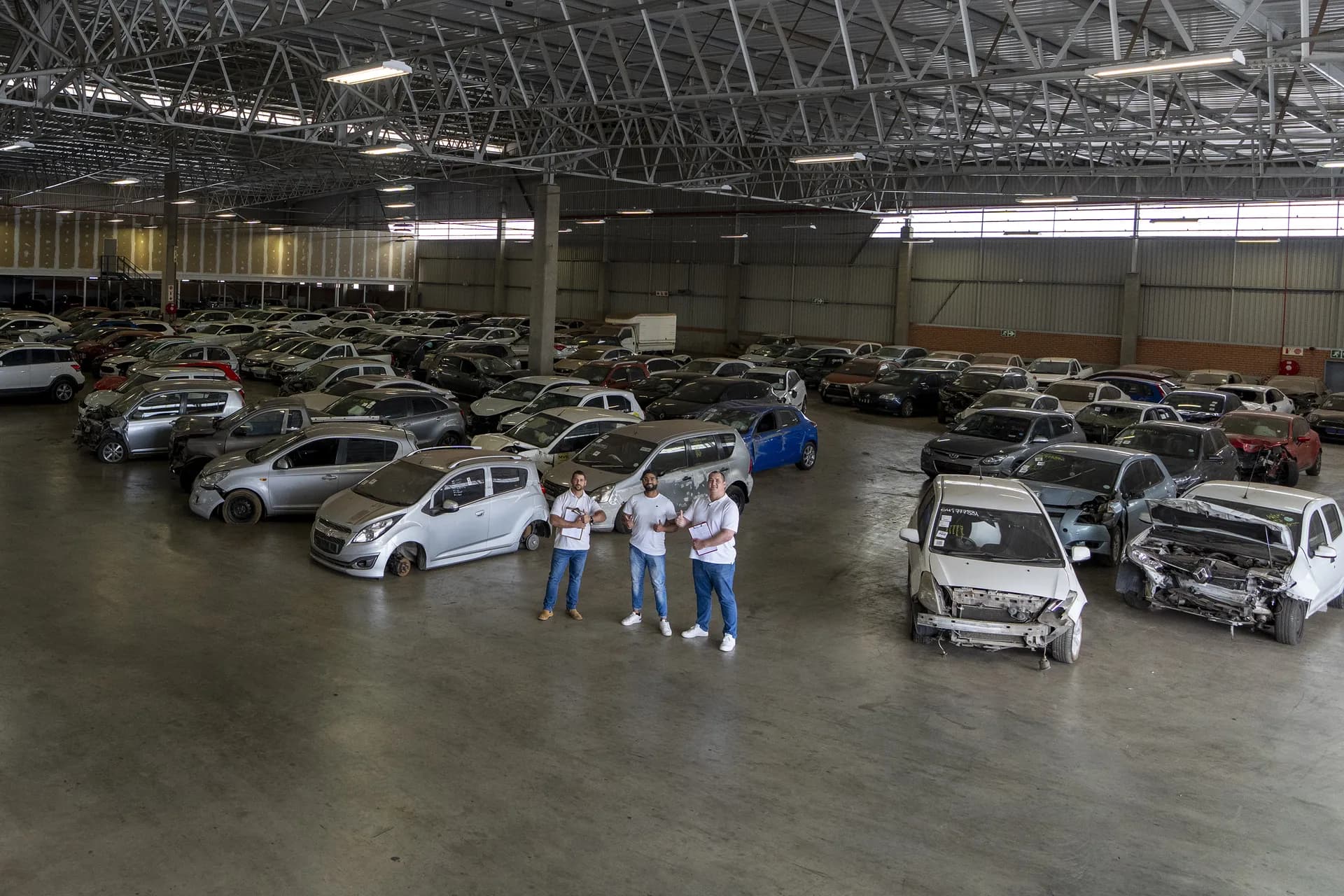
Overview: Insurance Assessment of Damaged Cars in SA
When a vehicle is involved in an accident or sustains significant damage, South African insurers follow a structured process to determine whether it should be repaired, written off, or settled with the policyholder. This evaluation affects not only your insurance payout but also your options for selling or salvaging the vehicle. Understanding how insurers evaluate damaged vehicles in South Africa can help you make informed decisions and avoid surprises during the claims process.
Key Steps in the Insurance Evaluation Process
- The policyholder submits a claim, detailing the damage event.
- The insurer appoints a qualified assessor to examine the vehicle, either at the scene, a towing yard, or a specialist assessment centre.
- The assessor identifies visible and hidden damage, estimates repair costs, and considers the vehicle's pre-accident value.
- The insurer reviews the assessor's report, applies policy conditions, and decides on repair, write-off, or payout options.
Repair Costs vs Value Retained
Insurers base their assessment on a comparison between the estimated repair cost and the vehicle's retail market value before the incident. If costs exceed a defined percentage of the value (commonly 60-70%), the insurer may deem the vehicle uneconomical to repair, labelling it as a write-off or "total loss". This threshold varies by insurer and policy type.
| Vehicle Age | Typical Retail Value (R) | Example Repair Estimate (R) | Write-off Trigger?* |
|---|---|---|---|
| 2 years | R320,000 | R210,000 | No |
| 6 years | R150,000 | R110,000 | Yes (73%) |
| 10 years | R60,000 | R52,000 | Yes (87%) |
*Percentages shown reflect repair cost as a proportion of value; write-off thresholds may vary between 60-80% depending on insurer policy.
For newer or more valuable cars, repairs are favoured if safe and cost-effective. For older models, even moderate damage may lead to a "write-off" status, often with the vehicle being registered on the National Vehicle Register (NVR) as code 3 (rebuilt) or code 4 (permanent loss).
Major Factors in the Evaluation Process
- Pre-accident value: Calculated from TransUnion values, market trends, and recent sale prices.
- Extent of structural damage: Chassis or safety system impacts lower subsequent value and repair viability.
- Salvage potential: Assessors estimate the resale or spare parts value if written off.
- Previous damage/claims history: Vehicles with a history of accidents are less likely to be repaired again.
- Mileage and maintenance: Higher mileage reduces value and increases risk of future issues.
| Damage Type | Typical Offer Impact |
|---|---|
| Minor (e.g. bumper, light panel) | Little to none (repairs likely) |
| Major panel or mechanical | Reduces offer (repairs closely assessed) |
| Chassis/structural | Significantly lowers offer (may be written off) |
| Flood/fire damage | Usually written off (low value) |
Legal Implications and Paperwork in South Africa
Once a vehicle is officially classified as a write-off by an insurer, it is typically deregistered or reclassified via the South African National Traffic Information System (NaTIS) as code 3 (rebuilt) or code 4 (scrap/permanent loss). This has lasting effects on resale value and future roadworthiness status.
- Code 3: Rebuilt vehicles must pass stringent roadworthy testing and may face disclosure obligations on resale.
- Code 4: Permanently unfit for road use; only sold for scrap or parting out.
- Deregistration: Owners must sign a change of ownership and deregistration form; insurers or their agents may assist with this paperwork.
Typical Timeline for the Insurance Evaluation
- Claim lodged: 1-2 days post-incident
- Assessor review and quotes: 2-7 days
- Decision and payout: 7-30 days, depending on information availability and any dispute resolution
Tips for Vehicle Owners: Navigating the Process
- Have service records, proof of upgrades, and a copy of your vehicle's registration on hand for the assessor.
- Request a written copy of the assessor's report and final valuation for your records.
- If your car is written off, ask about options for selling the salvage to a reputable national buyer.
- Compare the insurer's retail value estimate with independent values using tools like TransUnion Car Value Report.
- Consult your policy wording about excesses, betterment clauses, and whether you can retain salvage if desired.
What Happens to Your Car After Evaluation?
- If repaired: You may get your car back (code 2) and resume usage after repairs and administrative checks.
- If written off: The insurer pays out the agreed value, transfers ownership, organizes deregistration, and your vehicle is auctioned, crushed or parted out depending on severity (code 3 or 4).
- You may choose to sell the damaged car independently if you keep the salvage, especially if the insurer allows a cash-in-lieu-of-repair offer. See more at Sell Non-Running Car.
Sources
Seasoned automotive specialists dedicated to helping you turn your damaged or non-running vehicle into cash fast and hassle-free.
Disclaimer: This content is for educational purposes only. Product availability, pricing, and specifications are subject to change. Always verify current details on the retailer's website before making a purchase. We may earn affiliate commissions from qualifying purchases.
Why sell your damaged car to us?

A Division of Auction Nation, the leading expert in selling damaged cars

Best price for your damaged car

Get a cash offer within 24h

We buy damaged cars in any condition

We buy accident- damaged cars still under finance

Free, no obligation offer on your vehicle
How We Calculate Your Damaged Car’s Value
Wondering how we calculate your car’s value? At Sell Your Damaged Car, we look at: Your car’s real condition, its salvage value, and the current market demand. It’s all about honesty, transparency, and fairness — that’s how we determine your offer.
Frequently Asked Questions
Get answers to common questions about Legal And Paperwork
Why Choose Sell Your Damaged Car?
Free Towing
Need a tow? We got you
Hassle Free
Get a cash offer within 24h!
Nationwide
Somewhere remote? No problem!
