
Understanding the Insurance Claim Process for Non-Running Vehicles in South Africa
Discover how to file a claim for non-running, accident-damaged, or written-off cars in SA. Step-by-step process, tips for owners, legal and paperwork advice, and next steps after payout.
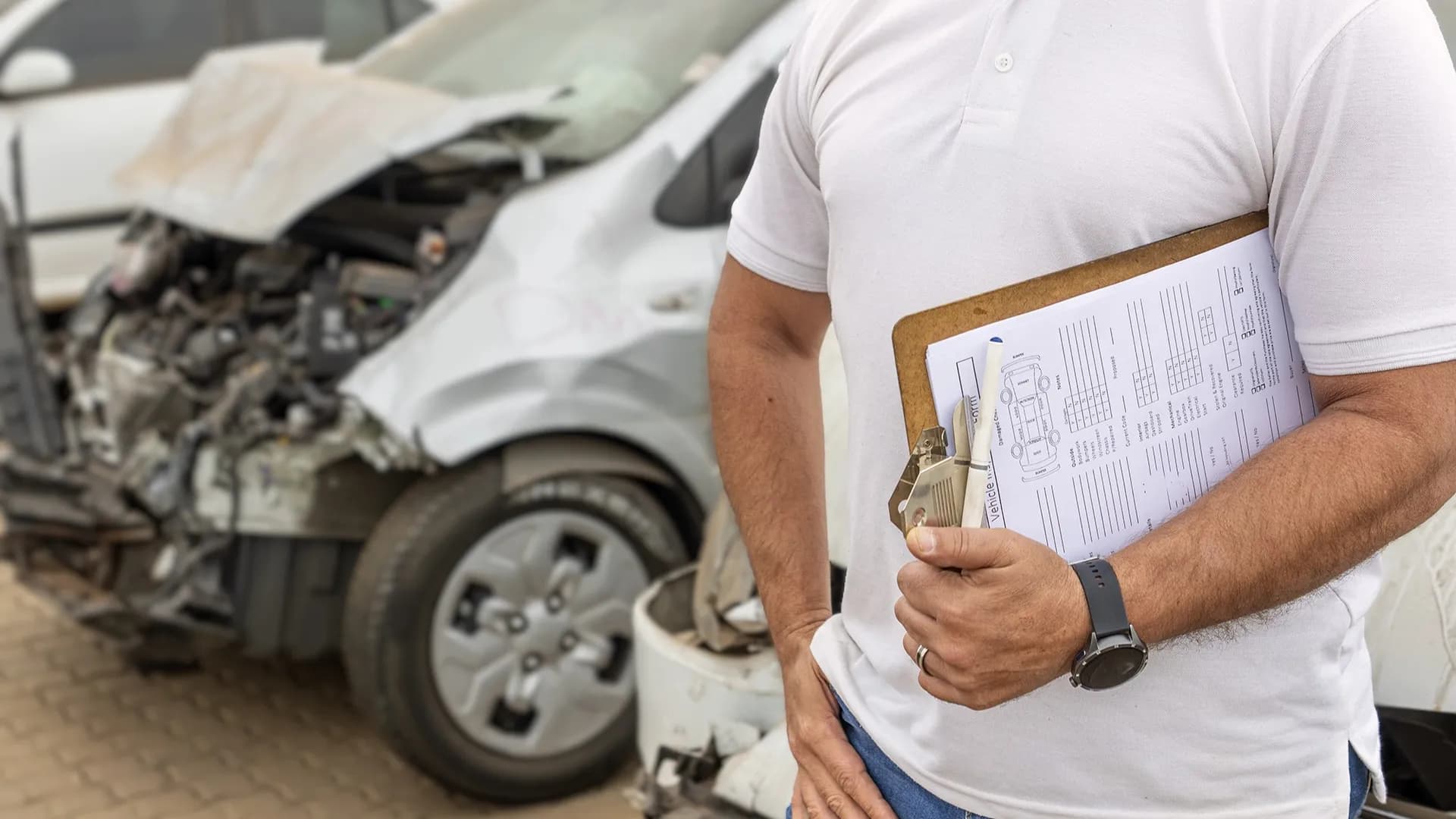
Overview: Making an Insurance Claim for a Non-Running Vehicle
Non-running vehicles in South Africa present unique challenges when it comes to insurance claims, whether your car has stopped due to mechanical failure, accident damage, or weather events like flooding. Understanding the step-by-step claim process can help you maximise your payout, avoid common pitfalls, and know your options-such as whether to repair, retain, or sell your car as salvage.
This guide explains what South African insurers require, how the process varies for accident-related vs purely mechanical breakdowns, and how services like Sell Your Damaged Car can support you after a write-off or payout.
When Should You File a Claim for a Non-Running Car?
- After a major accident where repair exceeds the car's market value
- In cases of severe engine or transmission damage covered by your policy
- Following fire, flood or theft with recovery (perils coverage needed)
- If the vehicle is no longer roadworthy and a major repair bill is expected
Key Steps in the South African Insurance Claim Process
- Notify your insurer promptly-usually within 30 days of the incident
- Submit required documentation: claim form, incident report, photos, police statement (if applicable), and service history
- Insurer appoints an assessor to evaluate damage and estimate repair vs market value
- If repairable, your insurer will approve nominated repairers-or if uneconomical, they offer an insurance payout (write-off/total loss)
- If written off, you may need to deregister the vehicle as code 3 with the licensing authority
- Possible salvage retention: you may keep the non-running car, or insurer retains and sells it as salvage
Repair Costs vs Payout Value in South Africa
| Example Scenario | Repair Estimate (R) | Current Market Value (R) | Likely Outcome |
|---|---|---|---|
| Major Accident (front end) | R90,000 | R70,000 | Write-off, payout minus excess |
| Engine Failure (insurable event) | R60,000 | R75,000 | Probable repair, payout to workshop |
| Flood Damage | R50,000 | R48,000 | Write-off if perils covered |
Insurers typically write off vehicles where repair estimates exceed 60-70% of market value.
SA-Specific Considerations: Under Finance or Salvage
- Vehicles under finance: Payment may go to the bank before any shortfall or excess is settled by you
- Code 2, Code 3, Code 4: Write-offs may be reclassified, impacting your right to retain/sell the vehicle as salvage after payout
- Documentation: Roadworthy certificate, original registration, proof of ownership needed for final claim processing
Legal & Administrative Steps After a Non-Running Vehicle Insurance Payout
After your insurer settles (or rejects) your claim for a non-running car, there are several legal and administrative responsibilities for South African vehicle owners:
- Deregister the vehicle (especially for write-offs) at your local licensing authority; this moves the car to Code 3 (rebuilt/non-repairable)
- Remove the vehicle from your insurance cover to avoid ongoing premium charges
- Release the car (and keys, licensing disc, etc.) to the insurer or nominated salvage buyer if they retain the vehicle
- If retaining the written-off car, secure confirmation in writing; you are then responsible for safe disposal or sale
Typical Timeline for Claims in South Africa
| Claim Stage | Estimated Duration |
|---|---|
| Notification & Forms | 1-3 days |
| Assessment (Surveyor/Adjuster) | 3-10 days |
| Final Approval/Repudiation | 7-21 days |
| Payment & Deregistration | 5-10 days |
Delays can occur if forms or supporting documents are missing, or there are ownership/finance disputes.
Tips to Maximise Your Claim & Next Steps
- Take clear photos of all damage and the vehicle exterior/interior
- Submit a detailed incident report and any available service history
- Follow up regularly to ensure documentation is complete
- Clarify in writing if you want to retain salvage (if allowed by your insurer)
- Consider reputable buyers for written-off/non-running cars if retaining the vehicle (see Sell Non-Running Car and Sell Damaged Cars)
What Happens Once Your Car is Collected or Sold?
- If the insurer retains the vehicle, they manage auction or disposal
- If you retain salvage, you may sell to a licensed salvage dealer or use a specialist service for a swift, compliant sale
- All legal obligations-deregistration, title transfer, and reporting-must be completed at your local licensing department
Sources
Seasoned automotive specialists dedicated to helping you turn your damaged or non-running vehicle into cash fast and hassle-free.
Disclaimer: This content is for educational purposes only. Product availability, pricing, and specifications are subject to change. Always verify current details on the retailer's website before making a purchase. We may earn affiliate commissions from qualifying purchases.
Why sell your damaged car to us?

A Division of Auction Nation, the leading expert in selling damaged cars

Best price for your damaged car

Get a cash offer within 24h

We buy damaged cars in any condition

We buy accident- damaged cars still under finance

Free, no obligation offer on your vehicle
How We Calculate Your Damaged Car’s Value
Wondering how we calculate your car’s value? At Sell Your Damaged Car, we look at: Your car’s real condition, its salvage value, and the current market demand. It’s all about honesty, transparency, and fairness — that’s how we determine your offer.
Frequently Asked Questions
Get answers to common questions about Legal And Paperwork
Why Choose Sell Your Damaged Car?
Free Towing
Need a tow? We got you
Hassle Free
Get a cash offer within 24h!
Nationwide
Somewhere remote? No problem!
