
How to Sell a Damaged Car in Cape Town - Practical Steps & Local Advice
Learn step-by-step how to sell a damaged, non-running or written-off vehicle in Cape Town. Practical tips on offers, towing, paperwork and maximising cash value.
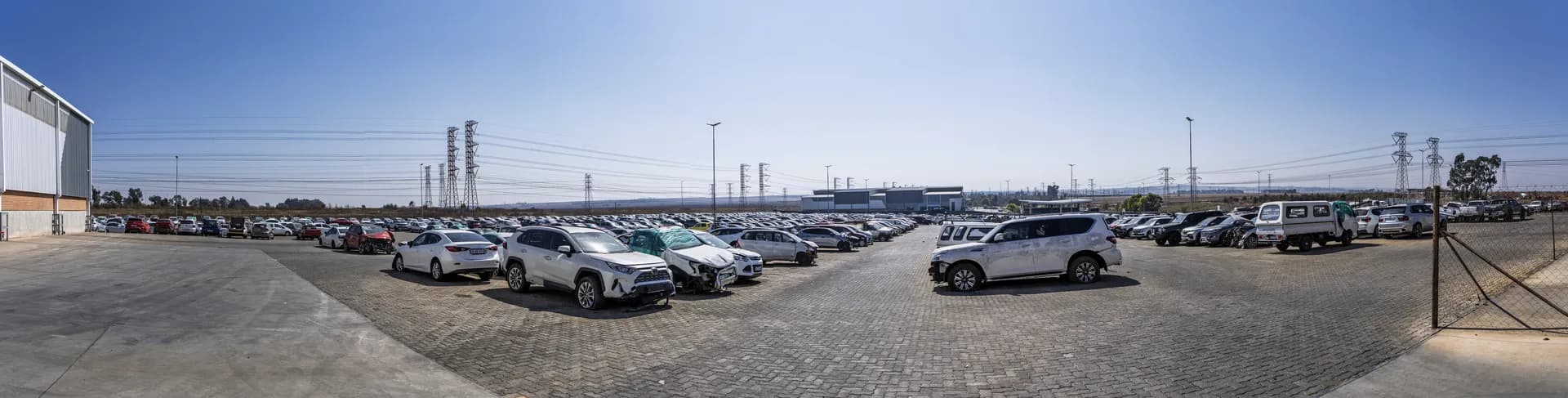
Overview: Selling a damaged car in Cape Town
If your car has been in an accident, suffered flood or fire damage, or no longer runs, selling it can be the fastest way to recover value and avoid ongoing costs. This guide explains how to sell a damaged car in Cape Town specifically, covering when selling makes sense, how the local salvage market works, and the practical steps to convert a damaged vehicle into cash while minimising hassle.
When to sell vs repair in Cape Town
Deciding whether to repair or sell depends on repair cost, the car's market value in South Africa, safety, and how quickly you need funds or space. In Cape Town, repair shops and parts availability can affect turnaround time and cost; high labour or parts delays often make selling more attractive for non-essential vehicles or older models.
Quick decision checklist
- If repair estimates exceed 50% of the car's retail value in SA, selling is often the better option.
- If the vehicle is written off by an insurer, selling to a salvage buyer or specialist may yield faster settlement than arranging repairs.
- For non-running cars or extensive structural damage, factor in towing and storage costs in Cape Town when comparing options.
Repair cost vs value retained (example ranges)
| Repair estimate (R) | Typical impact on retained value |
|---|---|
| R5,000 - R15,000 | Minor dents/parts replacement; value usually retained well if repaired professionally. |
| R15,000 - R40,000 | Moderate structural or mechanical work; potential depreciation and longer lead times in parts supply. |
| R40,000+ | Major repairs or engine replacement; often better to sell as damaged, especially for older cars. |
How the process works (Cape Town-focused)
Selling a damaged car in Cape Town is simpler when you use a specialist buyer who handles towing, paperwork and payment. The usual steps are: submit vehicle details and photos, receive an offer based on condition and local salvage demand, accept the offer, arrange free collection or towing, and finalise paperwork with payment. Using a local service avoids arranging expensive private towing or waiting for private buyers.
Step-by-step
- Prepare clear photos (external angles, interior, odometer, visible damage) and gather vehicle documents.
- Submit the online valuation form with accurate details for a faster, more accurate offer.
- Review the cash offer; ask about inclusions (towing, deregistration, payment timing).
- Agree a collection time in Cape Town; reputable buyers include free towing across metro and surrounds.
- Complete paperwork at collection; confirm payment method and receipt before transfer of ownership.
Local note: In Cape Town traffic and access can affect towing times. Confirm a realistic pickup window and ensure the vehicle is accessible to a tow truck to avoid delays or additional fees.
Damage types vs typical offer impact
| Damage type | How it affects offers |
|---|---|
| Cosmetic (dents, scratches) | Lower impact; higher offers if mechanicals are sound. |
| Mechanical failure (engine/gearbox) | Significant reduction; non-running status increases towing consideration. See guidance on selling non-running cars. |
| Structural/frame damage | Largest negative impact; often classed as salvage or written-off. |
| Flood or fire damage | Strongly affects offers due to potential hidden faults and safety concerns. |
Tip: Be transparent about damage. Accurate information speeds up offers and reduces the risk of renegotiation at collection. If you want to compare expected payouts, check our guide to getting the best offer.
Legal & paperwork for Cape Town sellers
In South Africa, transferring ownership and deregistration are important steps. If your vehicle is still financed, inform your lender - the debt must be settled or transferred. Many specialist buyers in Cape Town handle deregistration and provide the seller with a signed transfer or sale agreement and a proof of payment. Always keep copies of documents and check that the registration certificate (logbook) details match the vehicle.
Checklist for paperwork
- Vehicle registration certificate (logbook) or alternate proof of ownership.
- Proof of identity (South African ID or passport).
- Any finance settlement letter or lender contact details if the vehicle is under finance.
- Written sale agreement and record of payment (bank transfer slip or confirmation).
Tips to maximise your offer in Cape Town
Simple steps can improve the offer you receive without expensive repairs. Present the car cleanly, provide thorough photos and a clear damage description, and include service history if available. If the car is non-running, make access easy for tow vehicles. For fleet owners, consolidating multiple vehicles for sale can improve logistics and offers.
Practical examples
- A 2010 hatchback with cosmetic rear damage and full service history typically receives a better cash offer than the same car with missing service records.
- A non-running vehicle parked in a secure driveway in Bellville with clear photos and a current logbook attracts faster collection than a vehicle in an inaccessible location.
What happens after the vehicle is collected
After collection in Cape Town, the buyer usually finalises the transfer or salvage processing. Payment should be verified and reflected in your account per the agreed method. Keep your sale agreement and proof of payment; these documents are crucial if any questions arise about ownership or deregistration later.
Post-collection checklist
- Confirm receipt of funds and keep transfer confirmation.
- Obtain a written statement that the vehicle has been collected and ownership transferred.
- If the vehicle was bonded, confirm with your lender that the finance agreement is closed or managed.
Further Cape Town resources and internal links
For additional detail on non-running vehicles and damaged-car processes, see the Sell Non-Running Car and Sell Damaged Cars pages for steps specific to those conditions. If you want advice on avoiding scams and verifying buyers, consult our guidance on How to Avoid Being Scammed for practical checks when receiving offers.
Sources
Seasoned automotive specialists dedicated to helping you turn your damaged or non-running vehicle into cash fast and hassle-free.
Disclaimer: This content is for educational purposes only. Product availability, pricing, and specifications are subject to change. Always verify current details on the retailer's website before making a purchase. We may earn affiliate commissions from qualifying purchases.
Why sell your damaged car to us?

A Division of Auction Nation, the leading expert in selling damaged cars

Best price for your damaged car

Get a cash offer within 24h

We buy damaged cars in any condition

We buy accident- damaged cars still under finance

Free, no obligation offer on your vehicle
How We Calculate Your Damaged Car’s Value
Wondering how we calculate your car’s value? At Sell Your Damaged Car, we look at: Your car’s real condition, its salvage value, and the current market demand. It’s all about honesty, transparency, and fairness — that’s how we determine your offer.
Frequently Asked Questions
Get answers to common questions about LOCATIONS
Why Choose Sell Your Damaged Car?
Free Towing
Need a tow? We got you
Hassle Free
Get a cash offer within 24h!
Nationwide
Somewhere remote? No problem!
