
Admin Guide to Deregister a Vehicle in South Africa: Step-by-Step for Damaged & Written-Off Cars
Step-by-step admin guide to vehicle deregistration in South Africa. Learn process, documents, legal steps and how Sell Your Damaged Car assists with damaged or written-off vehicles.
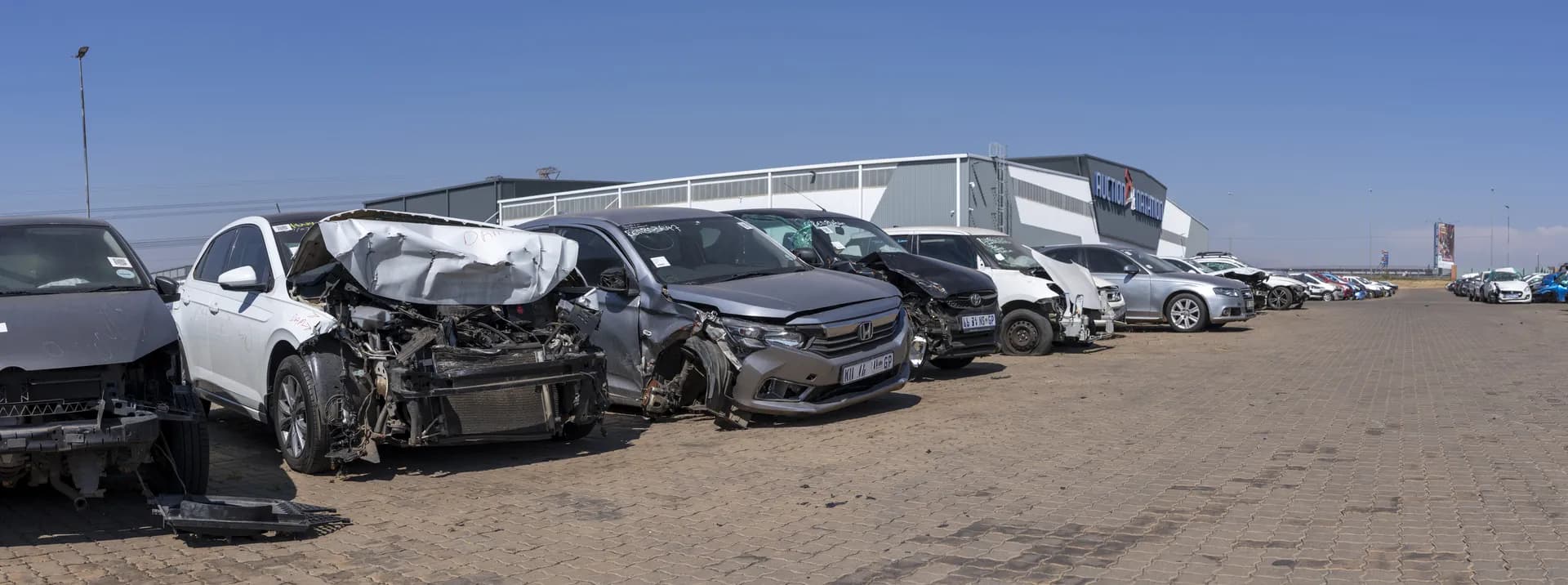
Overview: Understanding Vehicle Deregistration in South Africa
If your car has been permanently damaged, written off, or is no longer roadworthy, deregistering it is essential. In South Africa, vehicle deregistration is required when a car has been irreparably damaged, permanently unfit for use, or scrapped-protecting you from future liabilities, licensing fees, and possible misuse of your old registration number. Whether you are a private owner or managing a fleet, the process can feel daunting, but following the right steps ensures legal compliance and peace of mind.
When Should You Deregister Your Car?
- Accident-damaged and insurance written-off vehicles
- Flood, fire, or other irreparable damage
- Non-running cars permanently removed from service
- Stolen vehicles not recovered
Deregistering prevents further licence fees, unnecessary traffic fines, and protects you from liability if the vehicle is misused after disposal. This is especially significant in the context of salvage sales and the South African National Road Traffic Act.
Repairing vs Deregistering: Making the Right Choice
Car owners often hesitate between attempting repairs or moving to deregistration and sale. Weighing up the costs and legalities can provide clarity. Below is a simplified comparison:
| Scenario | Typical Cost (Rands*) | Value Retained (%) |
|---|---|---|
| Major Collision Repair | R30,000-R120,000 | 30-60% |
| Mechanical Overhaul | R15,000-R50,000 | 40-70% |
| Immediate Deregistration & Sale | R0 (no cost to seller) | Liquidation, fast cash |
*Estimates based on 2023 South African market data; actual costs vary by make, model, and region.
Legal Requirements
- Section 26 of the National Road Traffic Act (NRTA) mandates prompt deregistration for permanently unfit vehicles.
- Failing to deregister leaves the owner responsible for licence renewals and fines.
Step-by-Step: How to Deregister a Vehicle in South Africa
- Obtain and complete form Declaration of Vehicle Status (NCO/NCP) from your local licensing office or the official eNatis portal.
- Gather required documents:
- Original or certified copy of identity document (ID)
- Vehicle registration certificate (RC1)
- Proof of address (not older than 3 months)
- Affidavit (if vehicle is stolen or destroyed)
- Submit all documents in person at the licensing department, or through authorised third parties (if permitted in your province).
- Pay any outstanding licence fees or fines (if applicable).
- Receive confirmation and keep your deregistration receipt as proof. Transmit this information to your insurer if needed.
Special Considerations: Vehicles Under Finance & Business Fleets
Cars under existing finance agreements require additional steps. The bank or finance house remains the legal owner until the finance is settled. Coordinate deregistration with your lender, as they will need to provide a signed letter of authority and the original registration certificate, and may require settlement confirmation before proceeding. Fleet managers must ensure correct asset tracking and comply with company vehicle disposal policies.
Tips to Navigate the Paperwork Smoothly
- Complete all forms clearly; errors can delay the process.
- Ensure you collect and retain proof of deregistration-this can be crucial for insurance and for selling your damaged vehicle.
- If your car is being disposed of for salvage, notify the licensing office accordingly.
- For non-running vehicles or those sold as scrap, it's best to submit a vehicle disposal notice alongside deregistration.
What Happens After Your Car Is Deregistered?
Upon deregistration, the vehicle's details are removed from the eNatis system, and its registration number becomes available for reassignment. You are no longer liable for licensing, roadworthy, or fines. If your car is being sold for scrap or salvage, the buyer usually receives deregistration proof to complete their own processes. In the case of selling to a specialist buyer, confirm they provide a written record and discharge of responsibility.
| Stage | Your Obligation | Outcome |
|---|---|---|
| After Submission | Keep receipt, notify insurer | Legal status updated |
| Post-Sale/Disposal | Provide deregistration proof to buyer | No further liability |
| Record Keeping | Maintain all documents for 5+ years | Secure audit trail |
South African Deregistration: Summary Checklist
- Complete and submit NCO/NCP form
- Hand in registration certificate and provide ID
- Obtain and keep proof of deregistration
- Notify all relevant parties (buyer, insurer, finance provider)
Sources
Seasoned automotive specialists dedicated to helping you turn your damaged or non-running vehicle into cash fast and hassle-free.
Disclaimer: This content is for educational purposes only. Product availability, pricing, and specifications are subject to change. Always verify current details on the retailer's website before making a purchase. We may earn affiliate commissions from qualifying purchases.
Why sell your damaged car to us?

A Division of Auction Nation, the leading expert in selling damaged cars

Best price for your damaged car

Get a cash offer within 24h

We buy damaged cars in any condition

We buy accident- damaged cars still under finance

Free, no obligation offer on your vehicle
How We Calculate Your Damaged Car’s Value
Wondering how we calculate your car’s value? At Sell Your Damaged Car, we look at: Your car’s real condition, its salvage value, and the current market demand. It’s all about honesty, transparency, and fairness — that’s how we determine your offer.
Frequently Asked Questions
Get answers to common questions about Legal And Paperwork
Why Choose Sell Your Damaged Car?
Free Towing
Need a tow? We got you
Hassle Free
Get a cash offer within 24h!
Nationwide
Somewhere remote? No problem!
