
Accident Response Steps for Damaged Vehicle Sales in South Africa
Discover the essential steps to follow after an accident in South Africa-from documentation and legal requirements to maximising your cash offer when selling a damaged vehicle.
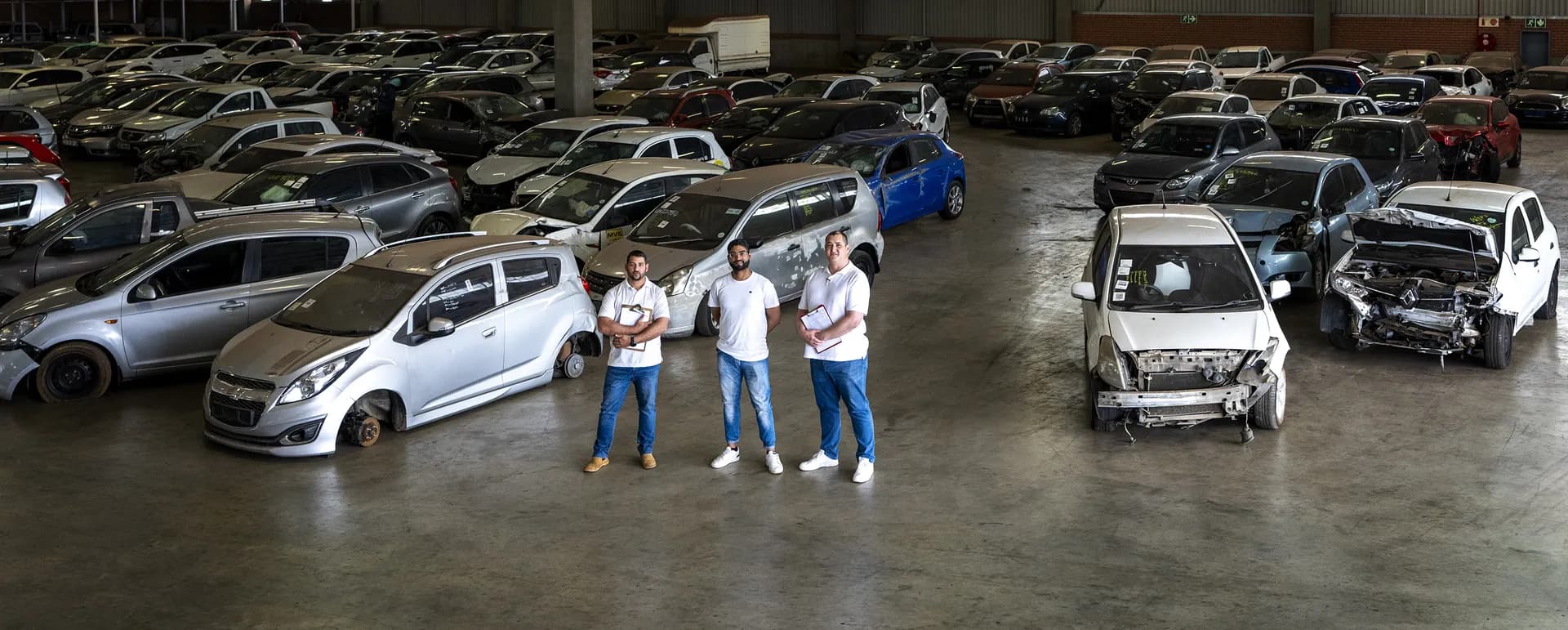
Overview: The Right Steps After a Vehicle Accident
In the wake of a car accident, South African vehicle owners face a flood of important decisions. If your vehicle has suffered serious damage, knowing the right accident response steps can maximise your safety, streamline insurance claims, and set you up for a straightforward sale to a professional buyer like Sell Your Damaged Car. This guide will walk you through everything from post-crash safety to legal paperwork, so you can quickly recover and turn your damaged vehicle into cash with confidence.
Step 1: Ensure Safety and Assess the Scene
- Move to a safe area, if possible, and check for injuries. Prioritise the health of all those involved.
- Switch on your vehicle's hazards and alert emergency services via 10111 if needed.
Step 2: Document Everything Thoroughly
Gathering evidence is essential for insurance, deregistration, and maximising your vehicle's offer. Immediately after the accident:
- Take wide and close-up photos of all damaged areas of your vehicle and any others involved.
- Document the location, road conditions, and, if possible, any traffic signs nearby.
- Write down or record descriptions of the incident soon while fresh in your memory.
- Exchange contact, licence, and insurance information with other parties.
Table: Damage Type vs. Typical Offer Impact
| Damage Type | Effect on Sale Offer |
|---|---|
| Cosmetic (panels, scratches) | Minor reduction |
| Mechanical (engine/gearbox damage) | Moderate to major reduction |
| Structural/Chassis | Significant reduction; often only salvageable |
| Airbag/Restraint deployment | Major reduction |
Step 3: Report and Alert the Required Authorities
- File a report at your nearest South African Police Service (SAPS) station within 24 hours-this is mandatory for insurance and future sale.
- Obtain and keep the case number; buyers and insurers will request it.
Step 4: Notify Your Insurer and Assess Repairs vs. Sale
Contact your insurer promptly and provide documentation. Once an assessor evaluates your car, you may be offered repairs or a cash-out. Consider the following when deciding between repair and selling:
| Scenario | Repair Cost (R) | Estimated Market Value (R) | Value Kept |
|---|---|---|---|
| Accident, repairable | R30,000 | R40,000 | R10,000 (after repair) |
| Accident, major chassis impact | R70,000 | R60,000 | Negative (overcapitalised) |
| Non-running/totalled | R90,000 | R10,000 | Negative |
How the Damaged Vehicle Sale Process Works
If you opt to sell the damaged car, a clear, reputable, and transparent process is key. Here's how selling to a damage-buying service works in South Africa:
- Organise your paperwork: Keep your police case number, registration certificate, and proof of address ready.
- Take clear photographs: Include different angles and close-ups of the damage.
- Submit details online: Upload through Sell Your Damaged Car's website for a prompt, obligation-free offer.
- Review your offer: Offers consider vehicle make, model, year, and damage type.
- Accept and schedule collection: Benefit from free nationwide towing and professional paperwork handling, including NaTIS deregistration.
- Receive payment: Payment is made and verified immediately after collection.
Special Cases: Cars Under Finance or Business Fleets
For vehicles with outstanding finance, notify your lender and arrange for settlement or a release of interest. For business fleet vehicles, ensure your company is listed as the seller and supply all organisational paperwork.
SA Paperwork & Legal Requirements
- Original registration certificate (logbook/NaTIS document).
- Certified copy of your ID and proof of address (not older than three months).
- Police case number for the accident.
- Deregistration notice if vehicle is a total loss or sold as salvage.
Tips to Maximise Your Offer
- Act quickly-vehicles deteriorate rapidly after accidents, especially if left exposed to the elements.
- Be thorough and honest in your damage description to avoid disputes.
- Include comprehensive, well-lit photos from multiple angles.
- Double-check all paperwork before collection to prevent delays.
What Happens After Collection?
After collection, your vehicle will be deregistered, and the transaction closed. Payment is typically made directly into your bank account. Your car may be assessed for parts salvage or recycling, in line with South African regulations and environmental best practices.
Internal Resources
Sources
Seasoned automotive specialists dedicated to helping you turn your damaged or non-running vehicle into cash fast and hassle-free.
Disclaimer: This content is for educational purposes only. Product availability, pricing, and specifications are subject to change. Always verify current details on the retailer's website before making a purchase. We may earn affiliate commissions from qualifying purchases.
Why sell your damaged car to us?

A Division of Auction Nation, the leading expert in selling damaged cars

Best price for your damaged car

Get a cash offer within 24h

We buy damaged cars in any condition

We buy accident- damaged cars still under finance

Free, no obligation offer on your vehicle
How We Calculate Your Damaged Car’s Value
Wondering how we calculate your car’s value? At Sell Your Damaged Car, we look at: Your car’s real condition, its salvage value, and the current market demand. It’s all about honesty, transparency, and fairness — that’s how we determine your offer.
Frequently Asked Questions
Get answers to common questions about Selling Guides
Why Choose Sell Your Damaged Car?
Free Towing
Need a tow? We got you
Hassle Free
Get a cash offer within 24h!
Nationwide
Somewhere remote? No problem!
