
Written-Off Car Towing and Storage Fees in South Africa: Who Pays and What to Expect
Discover who is liable for towing and storage costs after your car is written off in South Africa. Learn how to minimise expenses and protect yourself legally.
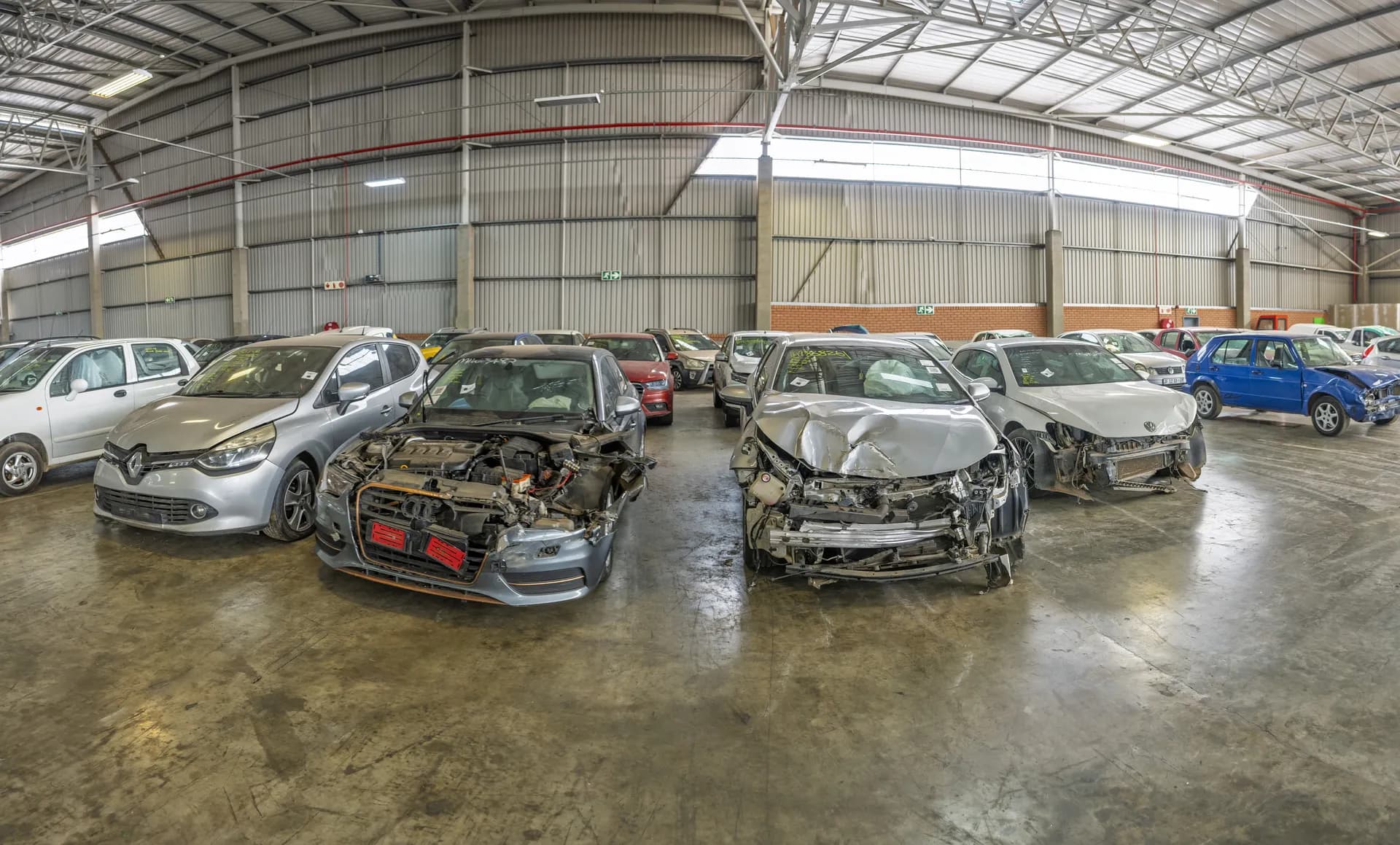
Overview: Written-Off Cars, Towing, and Storage in South Africa
When a vehicle is declared a total loss-or "written off"-after a road accident in South Africa, the costs associated with towing and subsequent storage can catch owners by surprise. Deciding who pays for these services depends on insurance status, timing, and agreement with recovery companies. This article explains when you, your insurer, or a third party might be liable for towing and storage charges, what typical costs look like, and how to avoid unforeseen expenses.
When Is a Car Considered "Written Off"?
A written-off car is deemed uneconomical or unsafe for repair by insurers due to accident, flood, or fire damage. The insurer will generally settle the claim, take possession of the car, and either dispose of or salvage the remains. If you lack comprehensive insurance, you may remain responsible for all post-accident handling.
Typical Out-of-Pocket Towing and Storage Fees
| Service | Estimated Fee Range | Who Is Usually Liable? |
|---|---|---|
| Towing (within city) | R1,200 - R2,500 | Insurer (if comprehensive) or owner |
| Storage (per day) | R150 - R350 | Insurer (if claim accepted) or owner |
| Release or admin fees | R350 - R1,000 | Owner (unless negotiated) |
These amounts vary across providers and locations (Johannesburg, Cape Town, Durban), and actual figures should always be confirmed in advance where possible.
Who Is Responsible for Paying-Breakdown by Scenario
- Comprehensive Insurance: Your insurer usually covers reasonable towing and storage if you follow their approved network and reporting timelines.
- Third-Party Insurance: You may be liable for towing and storage until the liable (at-fault) party's insurer pays out-this can cause delays and extra costs.
- No Insurance: The owner is directly responsible for all fees unless separately negotiated, and non-payment can result in your car being auctioned to recover costs.
- Unauthorised Towing: If you accept help from a non-approved towing service, your insurer may decline reimbursement. Check before agreeing at the accident scene.
Reducing and Managing Towing and Storage Costs
To avoid escalating charges, act quickly after an accident. Notify your insurer as soon as possible, use their authorised towing partners, and clarify how long your vehicle will be stored before charges start applying. If you're uninsured, it's often best to seek a buyer for your written-off or non-running car to prevent further fees.
For owners in Johannesburg, Cape Town, Durban or other major cities, reputable services like Sell Your Damaged Car can arrange free towing and handle all paperwork, including deregistration-even for vehicles stored in panel shops or salvage yards. This can help you avoid unexpected self-funded storage liabilities while putting cash back in your account faster.
Tips: What Should You Do After Your Car is Written Off?
- Check your insurance policy wording for towing and storage provisions. Document all interactions with tow operators.
- Confirm in writing who will pay storage before the vehicle is towed from the scene-verbal promises are not always honoured.
- If uninsured, quickly decide whether to sell, scrap, or recover your car to avoid longer-term storage charges.
- Retain all receipts and talk to your insurer, as some costs may be recoverable-but not all.
- Make sure the car is deregistered with the relevant traffic authority once no longer owned to protect against future liability.
What Happens After Collection or Sale?
Once your car is removed by a buyer such as Sell Your Damaged Car, or reclaimed by your insurer, storage charges typically stop accruing. The vehicle will either be salvaged, recycled, or auctioned off. Make sure paperwork-especially change of ownership and deregistration-is completed to avoid continued responsibility for municipal fines or fees.
Table: Impact of Delay on Storage Fees (Estimate)
| Days in Storage | Estimated Fees (R200/day) |
|---|---|
| 3 days | R600 |
| 7 days | R1,400 |
| 14 days | R2,800 |
Learn More
Explore our guides on selling non-running cars, how to sell damaged cars, or essential advice on avoiding scams in the salvage market.
Sources
Seasoned automotive specialists dedicated to helping you turn your damaged or non-running vehicle into cash fast and hassle-free.
Disclaimer: This content is for educational purposes only. Product availability, pricing, and specifications are subject to change. Always verify current details on the retailer's website before making a purchase. We may earn affiliate commissions from qualifying purchases.
Why sell your damaged car to us?

A Division of Auction Nation, the leading expert in selling damaged cars

Best price for your damaged car

Get a cash offer within 24h

We buy damaged cars in any condition

We buy accident- damaged cars still under finance

Free, no obligation offer on your vehicle
How We Calculate Your Damaged Car’s Value
Wondering how we calculate your car’s value? At Sell Your Damaged Car, we look at: Your car’s real condition, its salvage value, and the current market demand. It’s all about honesty, transparency, and fairness — that’s how we determine your offer.
Frequently Asked Questions
Get answers to common questions about Legal And Paperwork
Why Choose Sell Your Damaged Car?
Free Towing
Need a tow? We got you
Hassle Free
Get a cash offer within 24h!
Nationwide
Somewhere remote? No problem!
