
Written-Off Car Process in South Africa: From Insurance Write-Off to Salvage Sale
Step-by-step guide for South Africans: What happens after your car is written off? Learn the insurance, paperwork, and salvage process with Sell Your Damaged Car.
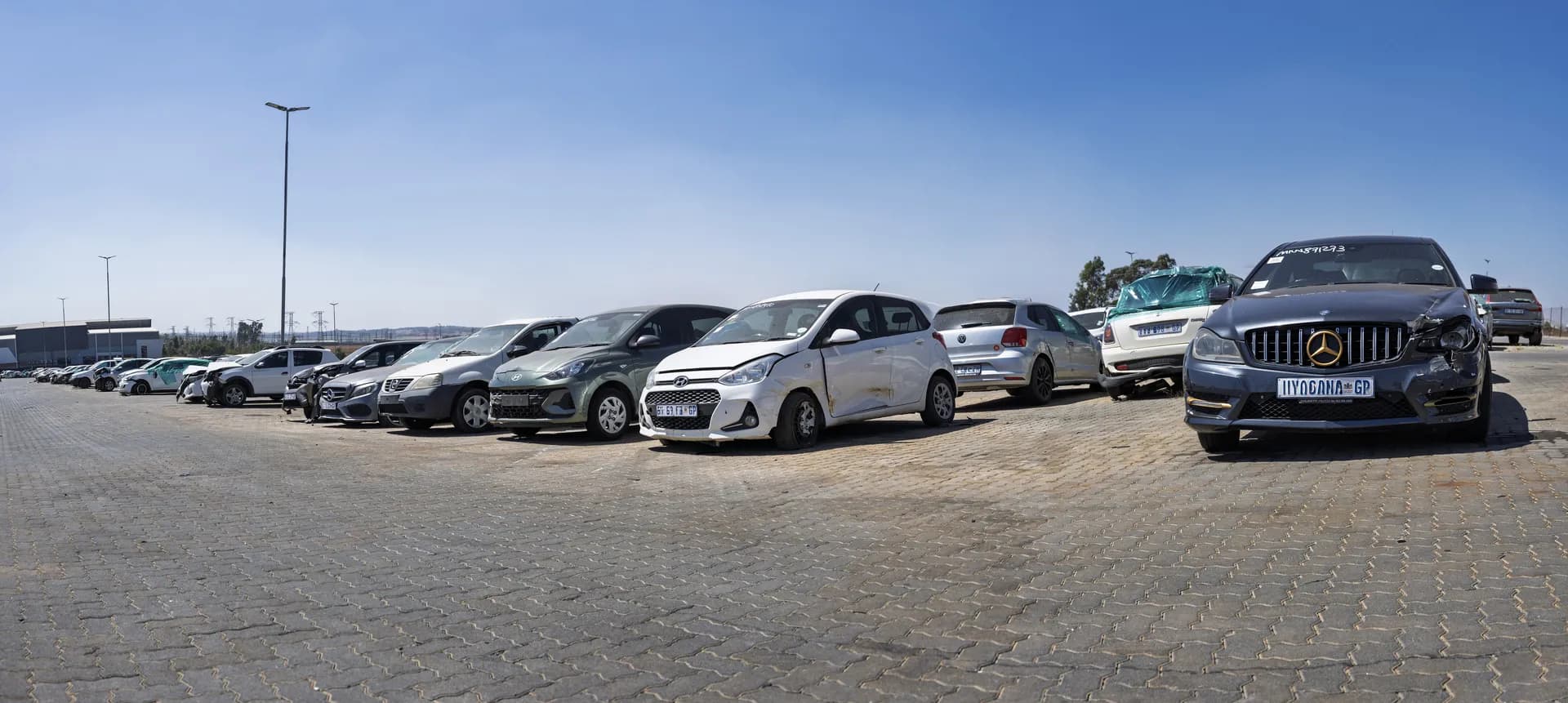
Overview: What Happens When Your Car Is Written Off?
In South Africa, a car is considered 'written-off' when an insurance assessor deems the cost of repairs as uneconomical compared to the vehicle's value. Many vehicle owners in Johannesburg, Cape Town, Durban, and other regions face the reality of a write-off after an accident, severe flood, or extensive mechanical failure. Understanding the process from insurance determination to salvage sale can help you avoid lost value, legal pitfalls, and unnecessary stress.
Insurance Assessment & Write-Off Criteria in SA
Insurers in South Africa follow strict criteria when writing off vehicles. The benchmark is usually when repair costs (including parts and labour) reach 60% to 80% or more of the car's pre-accident market value. Factors include:
- Extent and type of damage (accident, fire, flood, major mechanical failure)
- Estimated cost and timeline of repairs
- Current trade or retail value of the vehicle
- Safety and structural integrity post-repair
| Damage Type | Typical Repair Cost (Estimate, R) | Likelihood of Write-Off |
|---|---|---|
| Structural/frame damage | R40,000+ | Very High |
| Engine replacement | R30,000 - R120,000 | High (varies by model) |
| Minor panelwork | R7,000 - R20,000 | Low |
| Water/flood damage | Varies | Very High |
When to Repair vs. Accept a Write-Off Settlement
Once your insurance confirms a write-off, you usually face a decision: accept a settlement and let the insurer dispose of the vehicle, or negotiate a cash payout and keep the written-off car for possible salvage sale. Considerations include financial value, emotional attachment, and hassle factor.
- You generally cannot safely or legally return a structurally written-off car to the road without extensive repairs, re-inspections, and proof of compliance.
- Some owners choose to keep the 'Code 3' vehicle and sell it to a salvage buyer directly, unlocking extra value and streamlining the process.
Step-by-Step: From Insurance Write-Off to Salvage Sale
- File your insurance claim: Submit all required accident reports, photos, and documents as soon as possible after an incident.
- Assessment and decision: An adjuster inspects your vehicle and communicates the write-off (if criteria met). Review your policy for payout terms, excess, and conditions.
- Settlement or car retention: Decide if you want the insurer to handle the car (and receive a complete payout), or buy back/retain the written-off vehicle (accepting a slightly reduced settlement to keep/sell the salvage).
- Deregistration and paperwork: SA law requires deregistering a written-off vehicle at your local licensing department. You'll receive a deregistration (SCRA) certificate, crucial for legal sale or salvage processing.
- Sell to a professional salvage buyer: Services like Sell Your Damaged Car offer cash for written-off vehicles, handle towing and admin, and ensure compliant transfer of ownership and paperwork.
Table: Typical Insurance Write-Off Process Timeline
| Process Step | Estimated Duration | Notes |
|---|---|---|
| Claim Submission | 1-3 days | Complete accident & claim forms promptly |
| Insurer Assessment | 3-7 days | Damage evaluation, cost estimation |
| Settlement Offer | 2-5 days | Negotiate or accept offer |
| Deregistration & Sale | 1-7 days | Sell to salvage; arrange free collection |
Tips to Maximise Written-Off Car Value
- Collect complete accident/repair documentation and deregistration proof.
- Take well-lit, clear photos of all sides and major damage.
- Remove personal items and ensure any keys, service books, and the vehicle licence are ready for handover.
- Be transparent about condition to avoid valuation delays.
After Collection: What Happens to Your Written-Off Vehicle?
After free nationwide collection, reputable salvage buyers process legal transfer, deal with deregistration and compliance, and pay agreed funds via bank transfer. Code 3 or Code 4 cars are often dismantled for parts or recycled depending on regulations and safety standards. You should keep receipts and copies of all transaction paperwork for your records.
South African Legal & Paperwork Considerations
- Retain your deregistration (SCRA) certificate - required for legal compliance.
- Ensure transfer notification is processed with the licensing department to avoid future liabilities or fines.
- If your vehicle was under finance, liaise with your bank/lender and insurer to ensure all debts are settled and ownership properly released before sale or salvage.
Internal Resources
Sources
Seasoned automotive specialists dedicated to helping you turn your damaged or non-running vehicle into cash fast and hassle-free.
Disclaimer: This content is for educational purposes only. Product availability, pricing, and specifications are subject to change. Always verify current details on the retailer's website before making a purchase. We may earn affiliate commissions from qualifying purchases.
Why sell your damaged car to us?

A Division of Auction Nation, the leading expert in selling damaged cars

Best price for your damaged car

Get a cash offer within 24h

We buy damaged cars in any condition

We buy accident- damaged cars still under finance

Free, no obligation offer on your vehicle
How We Calculate Your Damaged Car’s Value
Wondering how we calculate your car’s value? At Sell Your Damaged Car, we look at: Your car’s real condition, its salvage value, and the current market demand. It’s all about honesty, transparency, and fairness — that’s how we determine your offer.
Frequently Asked Questions
Get answers to common questions about Legal And Paperwork
Why Choose Sell Your Damaged Car?
Free Towing
Need a tow? We got you
Hassle Free
Get a cash offer within 24h!
Nationwide
Somewhere remote? No problem!
