
Write-Off vs Repair: Insurance Decisions Explained for South African Car Owners
South African guide to insurance write-off versus repair: learn how insurers decide, steps after a write-off, and what options you have for your damaged car.
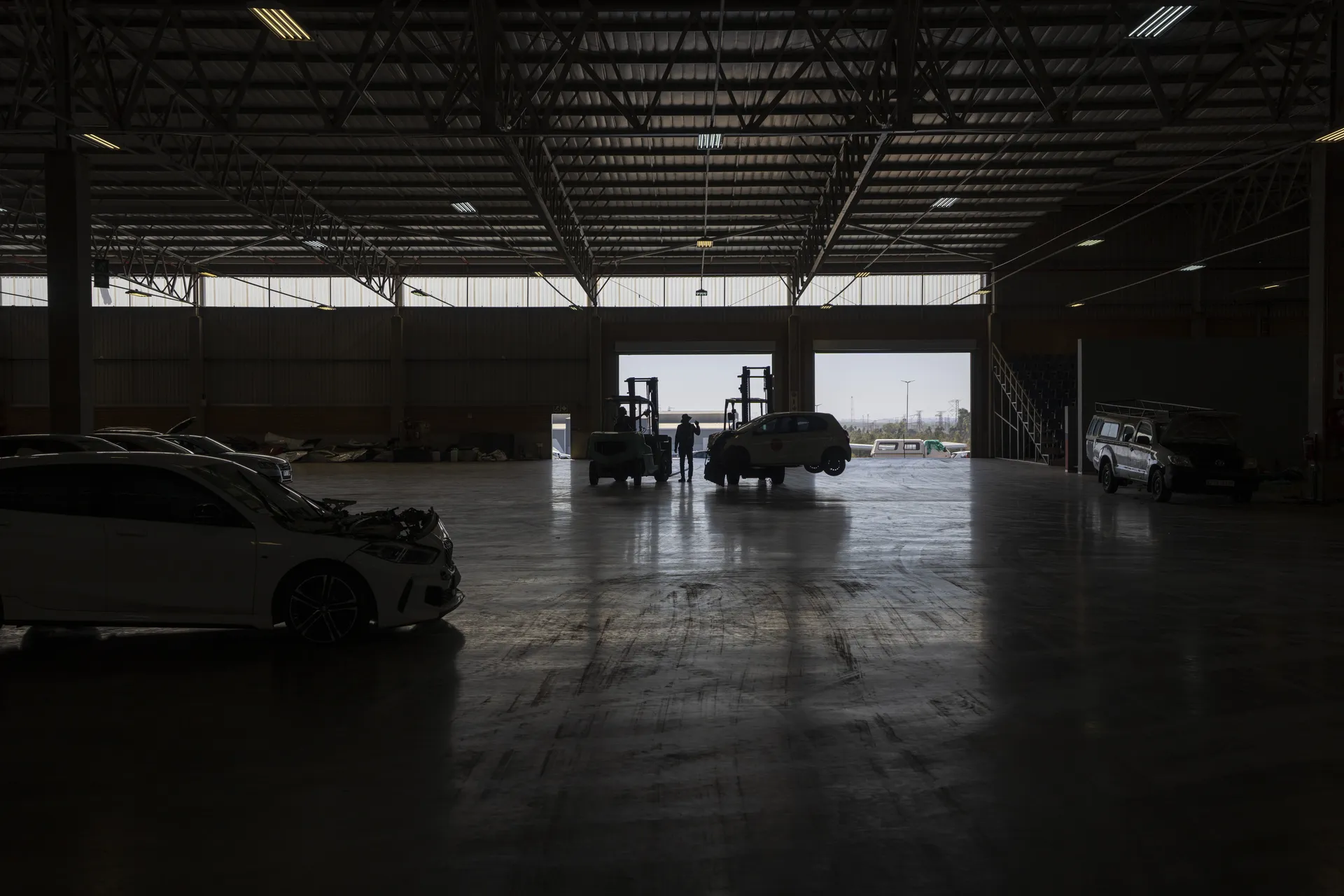
Understanding Write-Off vs Repair: The Basics
If your car has suffered accident damage, one of the first decisions-by both you and your insurer-is whether to repair the vehicle or declare it a write-off. South African insurance companies use strict criteria to assess the economic feasibility of a repair, balancing cost, roadworthiness, and regulations. Knowing how these decisions are made can inform your next steps-whether you're hoping to keep your car or consider selling your damaged vehicle for cash.
What Is an Insurance Write-Off?
A car is considered a write-off (or 'total loss') when the insurer determines that repairing the damage isn't financially viable, or the car can't be safely returned to the road. In South Africa, this typically happens if repair costs approach or exceed a threshold percentage of the vehicle's pre-accident market value-most commonly between 60% and 80%, though this varies between insurers and policy types. When written off, your insurer will settle your claim (usually for the market value) and the car receives a new salvage title in eNaTIS, affecting its resale and roadworthiness status.
How Repair vs Write-Off Is Calculated
Insurers use a comparison of the estimated repair cost against the car's insured or market value. Additional factors in South Africa include the cost of parts (which can be high for imports), availability of approved panel beaters, and whether repairs would result in a legally compliant and roadworthy vehicle. Here's a simplified guide:
| Assessment Factor | Typical Impact in SA |
|---|---|
| Repair cost < market value x write-off threshold | Usually repaired if structurally sound |
| Repair cost >= market value x threshold | Declared total loss (write-off) |
| Non-repairable structural/safety failure | Write-off irrespective of cost |
Types of Damage and Their Effect on Write-Offs
| Type of Damage | Likelihood of Write-Off | Notes |
|---|---|---|
| Minor cosmetic (dents, scratches) | Low | Rarely leads to write-off |
| Major structural/frame damage | High | Repair often uneconomical/unsafe |
| Fire or flood damage | High | Hidden issues often tip decision |
| Mechanical failure only | Medium | Depends on vehicle age & value |
SA Paperwork & Next Steps After an Insurance Write-Off
Once your vehicle is written off, you'll need to navigate the legal and administrative steps required by South African regulations. Your insurer will submit the damaged vehicle details to eNaTIS, after which the vehicle's registration is updated with a salvage code (Code 2, 3, or 4). This determines whether the vehicle can be rebuilt, only used for parts, or is permanently off-road.
- If you retain the salvage, you must handle deregistration (SCRAPPING) at your local licensing office.
- If the insurer takes the vehicle, they handle all paperwork for deregistration and resale at auction or as scrap.
- Written-off cars with Code 3 or higher generally cannot be legally returned to the road.
Should You Ever Repair a Written-Off Vehicle?
It's technically possible, but comes with strict roadworthiness and inspection requirements. Code 2 write-offs can sometimes be reconstructed, but Code 3 or 4 vehicles are typically limited to parts or scrap only. Repairs following major structural or flood damage may yield a car that's less valuable, harder to insure, or not legally safe on South African roads. Always check SAQA requirements and get an accredited roadworthy inspection.
Tips When Navigating a Write-Off Decision
- Request a breakdown of the repair cost estimate; get a second opinion if unsure.
- Understand your insurer's threshold and how market value is calculated in South Africa (using TransUnion, book values).
- Keep all paperwork (assessments, quotes, settlement offers) for your records.
- If considering sale, specialist buyers like Sell Your Damaged Car can offer fast payment for written-off, non-running, and salvage vehicles, handling nationwide towing and paperwork.
What Happens if You're Still Financing the Car?
Insurance payouts on financed vehicles go directly to the titleholder-usually your bank. If the payout is less than the outstanding finance, you may be liable for the shortfall. Consider gap insurance for future protection.
Salvage Market Insights in South Africa
Many written-off cars in South Africa are sold at auction, stripped for parts, or purchased by salvage specialists. Vehicles with only cosmetic damage may attract higher resale value, while those with structural or fire damage are mainly used for parts. Always ensure any transfer complies with deregistration and local legislation to avoid future liabilities.
Sources
Seasoned automotive specialists dedicated to helping you turn your damaged or non-running vehicle into cash fast and hassle-free.
Disclaimer: This content is for educational purposes only. Product availability, pricing, and specifications are subject to change. Always verify current details on the retailer's website before making a purchase. We may earn affiliate commissions from qualifying purchases.
Why sell your damaged car to us?

A Division of Auction Nation, the leading expert in selling damaged cars

Best price for your damaged car

Get a cash offer within 24h

We buy damaged cars in any condition

We buy accident- damaged cars still under finance

Free, no obligation offer on your vehicle
How We Calculate Your Damaged Car’s Value
Wondering how we calculate your car’s value? At Sell Your Damaged Car, we look at: Your car’s real condition, its salvage value, and the current market demand. It’s all about honesty, transparency, and fairness — that’s how we determine your offer.
Frequently Asked Questions
Get answers to common questions about Legal And Paperwork
Why Choose Sell Your Damaged Car?
Free Towing
Need a tow? We got you
Hassle Free
Get a cash offer within 24h!
Nationwide
Somewhere remote? No problem!
