
What Is a Salvage Vehicle? Understanding Code 3 Cars in South Africa
Learn what a Code 3 (salvage) vehicle is, how South African laws work, and your options for selling, deregistration, and compliance.
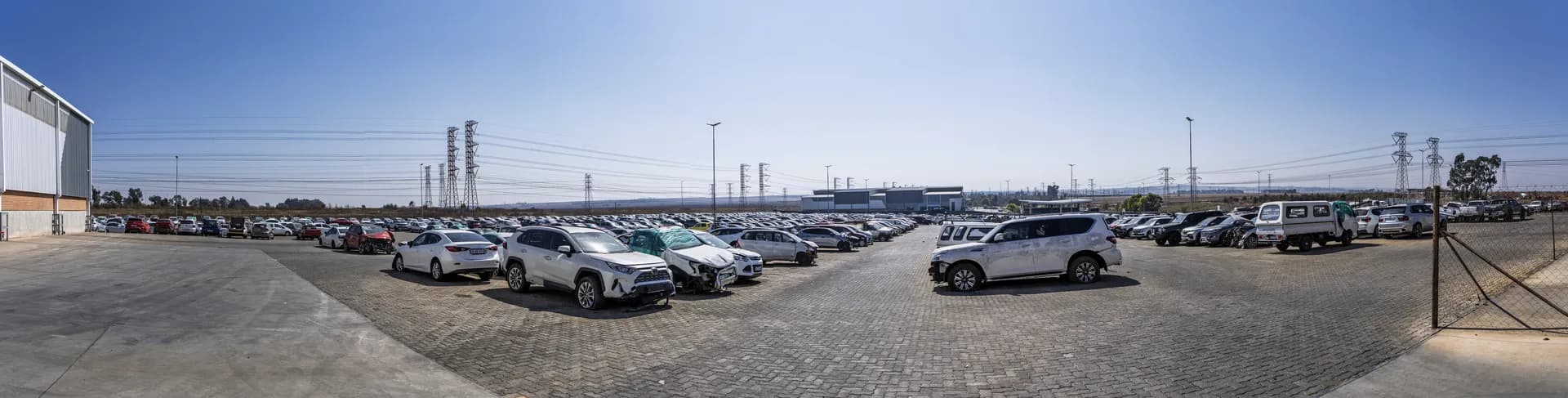
Overview: What Is a Code 3 Salvage Vehicle?
A salvage or Code 3 vehicle in South Africa is a car that's been written off due to damage but is considered repairable for limited road use, or suitable only for parts. Understanding Code 3 status is crucial for owners who want to sell a damaged car, avoid legal pitfalls, or maximise cash offers. Whether you own a Code 3 after an accident, theft recovery, or major mechanical failure, knowing your options and obligations makes all the difference.
The South African National Traffic Information System (eNaTIS) and the Road Traffic Management Corporation (RTMC) oversee vehicle coding. Code 3 indicates that a car has been previously deemed uneconomical to repair by insurers, but may have been returned to the road post-repair, or is now classified as a non-roadworthy salvage/parts vehicle.
South African Vehicle Codes Explained
| Code | Meaning | Typical Use/Status |
|---|---|---|
| Code 1 | New Vehicle | Never registered before, brand new |
| Code 2 | Used Vehicle | Registered, previously owned |
| Code 3 | Salvage/Rebuilt | Written-off and rebuilt; or salvage/parts |
| Code 4 | Permanently Demolished | Stripped for parts, never for road use |
When Does a Car Become Code 3?
A car is classified Code 3 salvage when it's written off by an insurer due to:
- Severe accident damage making repairs uneconomical
- Irreparable fire or flood damage
- Theft recovery where the vehicle was extensively stripped
Some Code 3 vehicles end up being rebuilt and re-registered for limited use, but the Code 3 status remains in their lifetime history. Most are legally restricted to salvage, spare parts, or non-road use.
Repair Cost vs Value: Should You Salvage or Sell?
| Scenario | Estimated Repair Cost (R) | Market Value After Repair (R) | Value Retained (%) |
|---|---|---|---|
| Major Accident (Chassis Damage) | 90,000 | 65,000 | ~70% |
| Fire/Water Damage | 60,000 | 40,000 | ~66% |
| Non-running/Parts Only (Salvage) | N/A | Parts Value Only | 10-30% |
Legal and Paperwork Steps for Code 3 Cars
What Does the Law Require?
South African law mandates that all vehicle status changes (write-offs, rebuilt, or salvage transfer) are reported through eNaTIS. To sell or deregister a Code 3 car, ensure:
- Up-to-date registration certificates
- Original ID of seller (individual or business)
- Settlement letter if under finance
- Deregistration documents for salvage (if vehicle won't return to road)
Make sure the Code 3 status is fully disclosed to buyers-omitting this detail is both illegal and a risk for fraud claims. Selling to reputable salvage buyers like Sell Your Damaged Car ensures legal compliance, correct paperwork, and a fair, transparent process.
Selling Your Code 3 Vehicle Online: How It Works
- Upload vehicle details and images to our online form for valuation.
- Receive a competitive cash offer based on salvage value and condition.
- Accept the offer, and we handle the paperwork-including deregistration and finance settlement support if needed.
- We arrange free collection anywhere in South Africa (Johannesburg, Cape Town, Durban, and beyond).
- Payment is released and verified instantly after handover.
Tips to Protect Yourself and Maximise Your Offer
- Gather all documentation, including proof of previous write-off status and insurance assessments if available.
- Share clear, recent photographs showing all damage and VIN plates.
- Request proof of deregistration or intention for non-road use from any buyer.
- When selling to a salvage specialist, ask about help with eNaTIS and legal admin-trusted buyers will manage all paperwork and reduce your risk.
What Happens to Your Code 3 After Sale?
Once collected, Code 3 cars are either stripped for usable parts, sold as donor vehicles, or in rare compliant cases, restored for specialist or export use under strict controls. For most sellers in South Africa, this means a clean break: you're paid, deregistration is processed, and you avoid storage or liability headaches going forward.
Internal Resources
- Sell Damaged Cars: Process & FAQ
- How Our Process Works
- Sell Non-Running Car
- How to Avoid Being Scammed
Sources
Seasoned automotive specialists dedicated to helping you turn your damaged or non-running vehicle into cash fast and hassle-free.
Disclaimer: This content is for educational purposes only. Product availability, pricing, and specifications are subject to change. Always verify current details on the retailer's website before making a purchase. We may earn affiliate commissions from qualifying purchases.
Why sell your damaged car to us?

A Division of Auction Nation, the leading expert in selling damaged cars

Best price for your damaged car

Get a cash offer within 24h

We buy damaged cars in any condition

We buy accident- damaged cars still under finance

Free, no obligation offer on your vehicle
How We Calculate Your Damaged Car’s Value
Wondering how we calculate your car’s value? At Sell Your Damaged Car, we look at: Your car’s real condition, its salvage value, and the current market demand. It’s all about honesty, transparency, and fairness — that’s how we determine your offer.
Frequently Asked Questions
Get answers to common questions about Legal And Paperwork
Why Choose Sell Your Damaged Car?
Free Towing
Need a tow? We got you
Hassle Free
Get a cash offer within 24h!
Nationwide
Somewhere remote? No problem!
