
When to Deregister an Accident Vehicle in South Africa: Comprehensive Owner's Guide
Learn when and how to deregister a vehicle after an accident in South Africa. Covering legal triggers, paperwork, liabilities, and what to do with a written-off car.
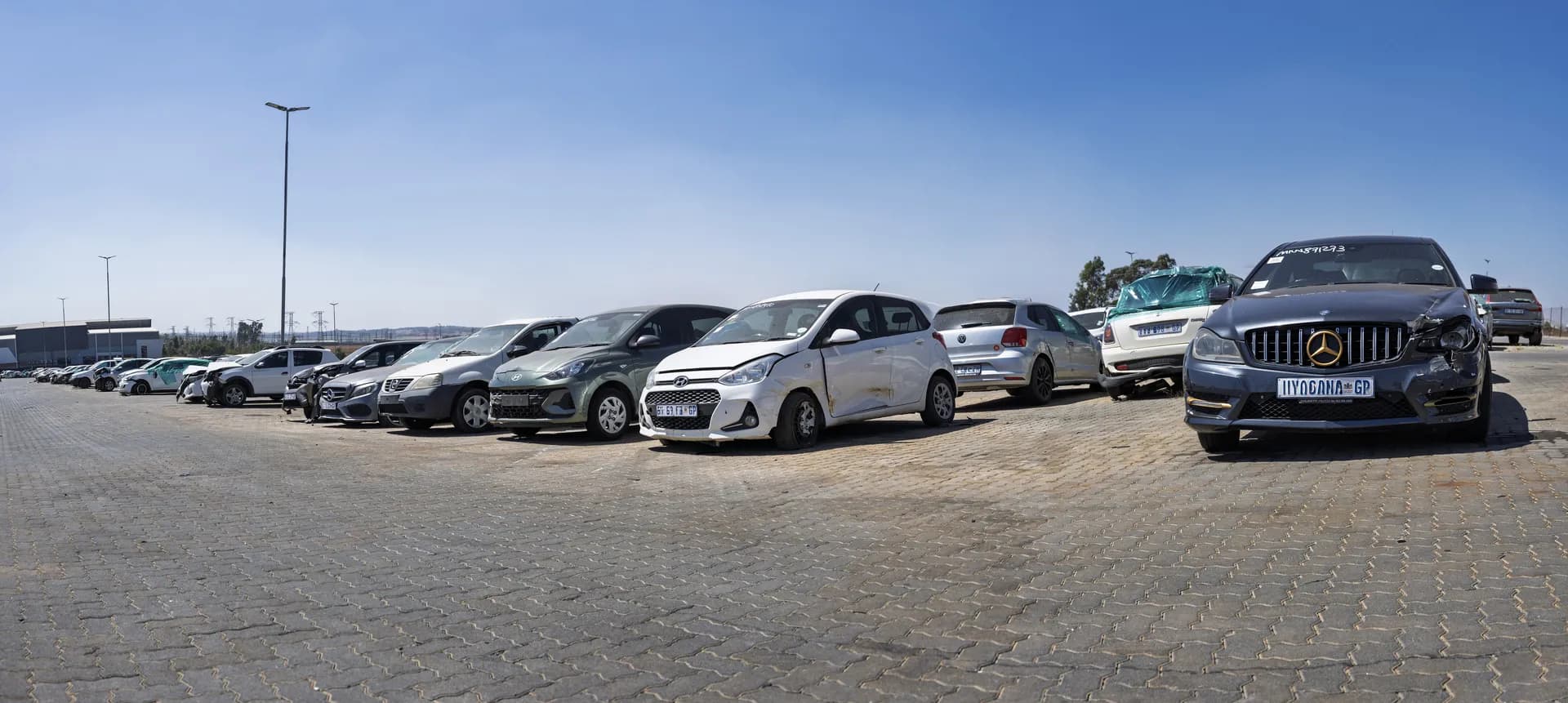
Overview: Understanding Accident Vehicle Deregistration in SA
If your car is involved in a major accident in South Africa, you may be required-or find it strongly advisable-to deregister the vehicle. Deregistration is a formal legal process notifying authorities that the car is permanently unfit for the road, and protects you from future liabilities. Knowing when to deregister an accident vehicle is essential for ensuring compliance and a smooth insurance or disposal process.
- Severe accident, fire, or flood damage resulting in a write-off
- Cost of repair exceeds market value or structural safety cannot be assured
- Insurers declare the car uneconomical to repair and pay out
- Vehicle is dismantled for salvage parts or scrapping
Legal Triggers: When Must You Deregister?
According to South African law (National Road Traffic Act), deregistration is required if the vehicle is:
- Permanently unfit for use on public roads (e.g., chassis damage)
- Irretrievably dismantled, destroyed or stolen and not recovered
- Classified as 'Code 3' (permanently unfit, usually after a severe crash)
Failing to deregister after such events can result in continued licensing fees, refusal of future claims, and ongoing liability for third-party incidents involving the vehicle's VIN.
Assessing Repair vs Deregistration
| Factor | Deregister | Repair & Re-license |
|---|---|---|
| Accident Severity | Extensive/irreparable | Minor to moderate |
| Repair Cost vs Value | Cost exceeds market value | Viable investment |
| Safety Compliance | Cannot pass roadworthy | Possible with repairs |
| Insurance Position | Write-off/paid out | Approved, not written off |
If your insurer classified your car as a total loss or if reputable mechanics confirm severe structural damage, start the deregistration process immediately.
How Deregistration Works: Step-by-Step
- Gather required documents: Proof of identity, registration certificate, insurance payout or salvage evidence, and an affidavit if required
- Visit your nearest licensing authority (or use accredited online services where available, such as NaTIS e-Services)
- Complete the Form SR1 (Notification of Change of Ownership/Sale) and supply proof of decommissioning or destruction if scrapped
- Pay any outstanding licence fees or fines to avoid transfer delays
- Receive confirmation of deregistration and updated NaTIS records
Deregistering Vehicles Under Finance
If your car is still under finance, coordinate with your bank or finance house-they'll need evidence from insurance and may handle paperwork after settlement, as the titleholder must approve removal from the register.
Paperwork, Liabilities, and Your Rights
- Licence Fees: Fees accrue until formal deregistration. Delay increases cost.
- Roadworthiness: Deregistered vehicles cannot be relicensed or put back on the road (except in rare Code 2 to Code 3 reclassification with full rebuilds approved by authorities).
- Sale of Vic-Wreck (Salvage): You may sell your written-off vehicle to a salvage or parts buyer, but deregistration should be completed as part of the transfer to avoid legal risks.
Typical Scenarios That Require Deregistration
| Damage Type | Likely Deregistration Needed? | Notes |
|---|---|---|
| Major structural/chassis damage | Yes | Declared Code 3 by insurer or police |
| Engine burn-out/fire | Often | If repair cost is prohibitive |
| Flood damage | Usually | Dependent on extent and insurer |
| Non-running, minor mechanical | No | Can often be sold as repairable Code 2 |
What Happens After Deregistration?
- The car's registration is "dead" on NaTIS; reuse is prohibited except for compliant salvage rebuilds
- You are no longer liable for licence renewals or penalties from that VIN
- The car can be lawfully scrapped or broken up for spares
If you wish to sell your accident-damaged vehicle for cash after deregistration, specialist services like Sell Your Damaged Car can handle the valuation, paperwork, and free towing across South Africa, making the process fast and safe for private owners or business fleets.
Practical Steps to Protect Yourself
- Retain all paperwork and obtain a deregistration certificate for your records
- Notify your insurance and financier when the process is complete
- Beware of scammers offering to "clear" your record without valid documentation
Sources
- Government SA: Official guide to deregistering a vehicle
- Arrive Alive: Insurance, accident, and deregistration guidance
- NaTIS: National Traffic Information System (forms and requirements)
- Sell Your Damaged Car: How our process helps with accident vehicles
- Sell Damaged Cars: Professional support for written-off and deregistered vehicles
Seasoned automotive specialists dedicated to helping you turn your damaged or non-running vehicle into cash fast and hassle-free.
Disclaimer: This content is for educational purposes only. Product availability, pricing, and specifications are subject to change. Always verify current details on the retailer's website before making a purchase. We may earn affiliate commissions from qualifying purchases.
Why sell your damaged car to us?

A Division of Auction Nation, the leading expert in selling damaged cars

Best price for your damaged car

Get a cash offer within 24h

We buy damaged cars in any condition

We buy accident- damaged cars still under finance

Free, no obligation offer on your vehicle
How We Calculate Your Damaged Car’s Value
Wondering how we calculate your car’s value? At Sell Your Damaged Car, we look at: Your car’s real condition, its salvage value, and the current market demand. It’s all about honesty, transparency, and fairness — that’s how we determine your offer.
Frequently Asked Questions
Get answers to common questions about Legal And Paperwork
Why Choose Sell Your Damaged Car?
Free Towing
Need a tow? We got you
Hassle Free
Get a cash offer within 24h!
Nationwide
Somewhere remote? No problem!
