
Selling vs Deregistering a Damaged Vehicle in South Africa: What Owners Need to Know
Weigh up selling versus deregistering your damaged vehicle in South Africa. Learn process differences, paperwork, market value, and expert tips to make the best decision.
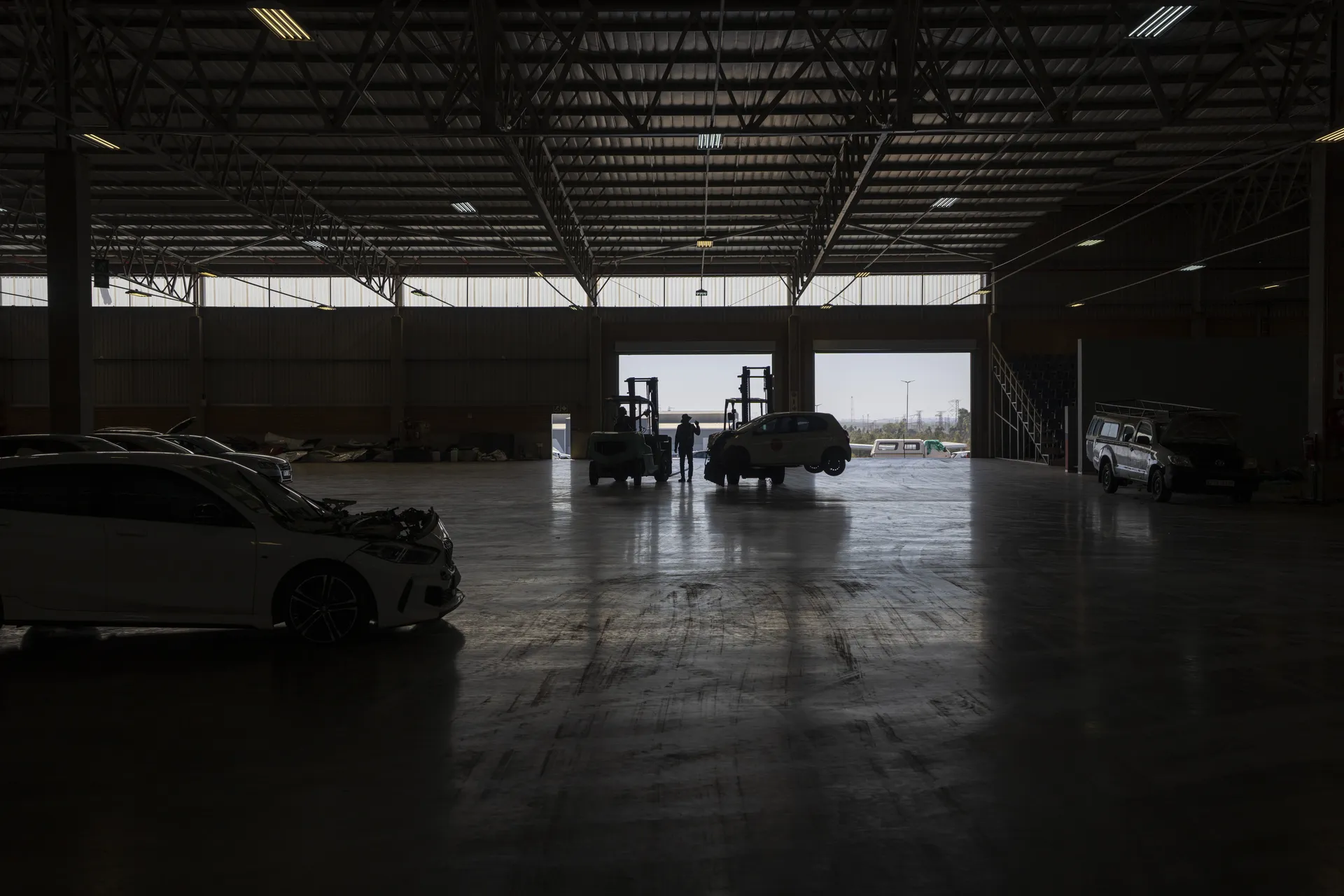
Overview: Selling vs Deregistering a Damaged Vehicle
If your car has suffered accident damage, a mechanical breakdown, or fire/flood impact, you may be wondering whether it's better to sell the car or deregister it with authorities. Both paths have important legal, financial, and practical consequences for South African vehicle owners and small business fleet managers. Understanding each route can help you make the most informed and stress-free decision for your situation.
What Does Deregistration Mean?
Deregistering a vehicle in South Africa involves notifying the licensing authority (NaTIS/eNaTIS) that your car has been permanently removed from the road, typically because it is scrapped, written-off, or beyond economic repair. Once deregistered, the vehicle cannot be driven or legally sold as a running car, and you are no longer responsible for licence disc renewals or vehicle fines relating to it.
What Does Selling Involve?
Selling a damaged vehicle means transferring ownership to another party, such as a private buyer, salvage yard, or specialist damaged car buyer (like Sell Your Damaged Car). This path often means you can recover some value, even with significant damage, and the buyer typically handles deregistration if required, plus all the paperwork and towing.
Costs, Value & Process Differences
| Aspect | Selling | Deregistering |
|---|---|---|
| Financial Return | Possible cash offer based on condition (salvage value) | No cash return; you may pay to scrap/tow |
| Paperwork | Handled by buyer (including deregistration if sold for salvage) | Owner must complete forms, request removal at licensing office |
| Responsibility | Transferred to buyer upon sale | Ends once vehicle officially deregistered |
| Time Invested | Can be very quick if using a specialist buyer | May involve multiple visits and paperwork |
| Nationwide Options | Specialist buyers collect across SA with free towing | Owner arranges/paids for scrap or removal |
When Might Deregistration Be the Right Choice?
- Your insurer has declared the vehicle uneconomical to repair and paid out the claim (write-off)
- The car is stolen and not recovered, or totally destroyed (e.g., by fire)
- Parts have been removed and returning the vehicle to roadworthy status is impossible or illegal
When Is Selling Preferable?
- Your car is repairable but costly, and you'd prefer to recoup value
- The vehicle is non-running or accident-damaged, but could be used for spares or salvage
- You want a fast, low-hassle outcome with paperwork and free towing handled by the buyer (especially outside of metro areas)
Both options ensure you are no longer liable for the vehicle, but selling may save money and effort compared to formal deregistration, especially if you're outside Gauteng, Cape Town or Durban and need transport logistics.
South African Paperwork & Legal Considerations
Required Documents and Steps
- For Deregistration: Complete the CNV form (Notification of Change of Ownership) and the Deregistration Application. You'll need your ID, proof of address, and car registration certificate (NaTIS).
- For Selling: The buyer often handles NaTIS paperwork (change of ownership), proof of sale, and, in the case of salvage, initiates the deregistration themselves. Reputable buyers like Sell Your Damaged Car will guide and assist you through these steps, ensuring compliance and rapid admin at the licensing office.
Practical Example
Sipho, based in Johannesburg, had an accident-damaged bakkie still under finance. After a settlement with the bank and insurer, he received a payout. Sell Your Damaged Car assisted in collection, handled the paperwork, deregistration, and bank admin, saving him multiple trips to the licensing authority.
Tips to Maximise Your Outcome
- Get clear, well-lit photos from multiple angles before approaching buyers or authorities.
- Keep all vehicle documents accessible: NaTIS, licence disc, service history, finance settlement.
- If selling for salvage, work with specialist buyers who provide up-front, transparent offers and handle collection/paperwork.
- Act promptly after damage assessment; delays may reduce salvage value or lead to additional storage fees.
Damage Type and Offer Impact Table
| Type of Damage | Typical Offer Impact* | Notes |
|---|---|---|
| Light Accident Damage | Moderate reduction | Panels/paint or minor mechanical |
| Major Structural Damage | Significant reduction | Write-off likely; better to deregister if total loss |
| Non-Running Mechanical Issues | Depends on parts/spares value | Good for salvage market |
| Water or Fire Damage | High value loss | May be non-recoverable for resale |
*Based on typical South African salvage market trends; actual offers vary per vehicle. See our Sell Damaged Cars or Sell Non-Running Car pages for further info.
What Happens After Selling or Deregistering?
- You no longer receive licencing fee requests, fines, or e-toll invoices for the vehicle.
- If selling, the new owner is responsible for further paperwork, repair or salvage; payment is usually made after handover.
- If deregistered, the car is not legally allowed on South African roads and may be dismantled or scrapped.
Whichever path you choose, keep digital and physical records of all paperwork and correspondences for at least 24 months in case of future queries or licence issues.
Sources
Seasoned automotive specialists dedicated to helping you turn your damaged or non-running vehicle into cash fast and hassle-free.
Disclaimer: This content is for educational purposes only. Product availability, pricing, and specifications are subject to change. Always verify current details on the retailer's website before making a purchase. We may earn affiliate commissions from qualifying purchases.
Why sell your damaged car to us?

A Division of Auction Nation, the leading expert in selling damaged cars

Best price for your damaged car

Get a cash offer within 24h

We buy damaged cars in any condition

We buy accident- damaged cars still under finance

Free, no obligation offer on your vehicle
How We Calculate Your Damaged Car’s Value
Wondering how we calculate your car’s value? At Sell Your Damaged Car, we look at: Your car’s real condition, its salvage value, and the current market demand. It’s all about honesty, transparency, and fairness — that’s how we determine your offer.
Frequently Asked Questions
Get answers to common questions about Selling Guides
Why Choose Sell Your Damaged Car?
Free Towing
Need a tow? We got you
Hassle Free
Get a cash offer within 24h!
Nationwide
Somewhere remote? No problem!
