
What Happens to Car Salvage After an Insurance Payout in South Africa?
Find out the full process for your salvage car after an insurance payout in South Africa - including legal, recycling, and resale steps.
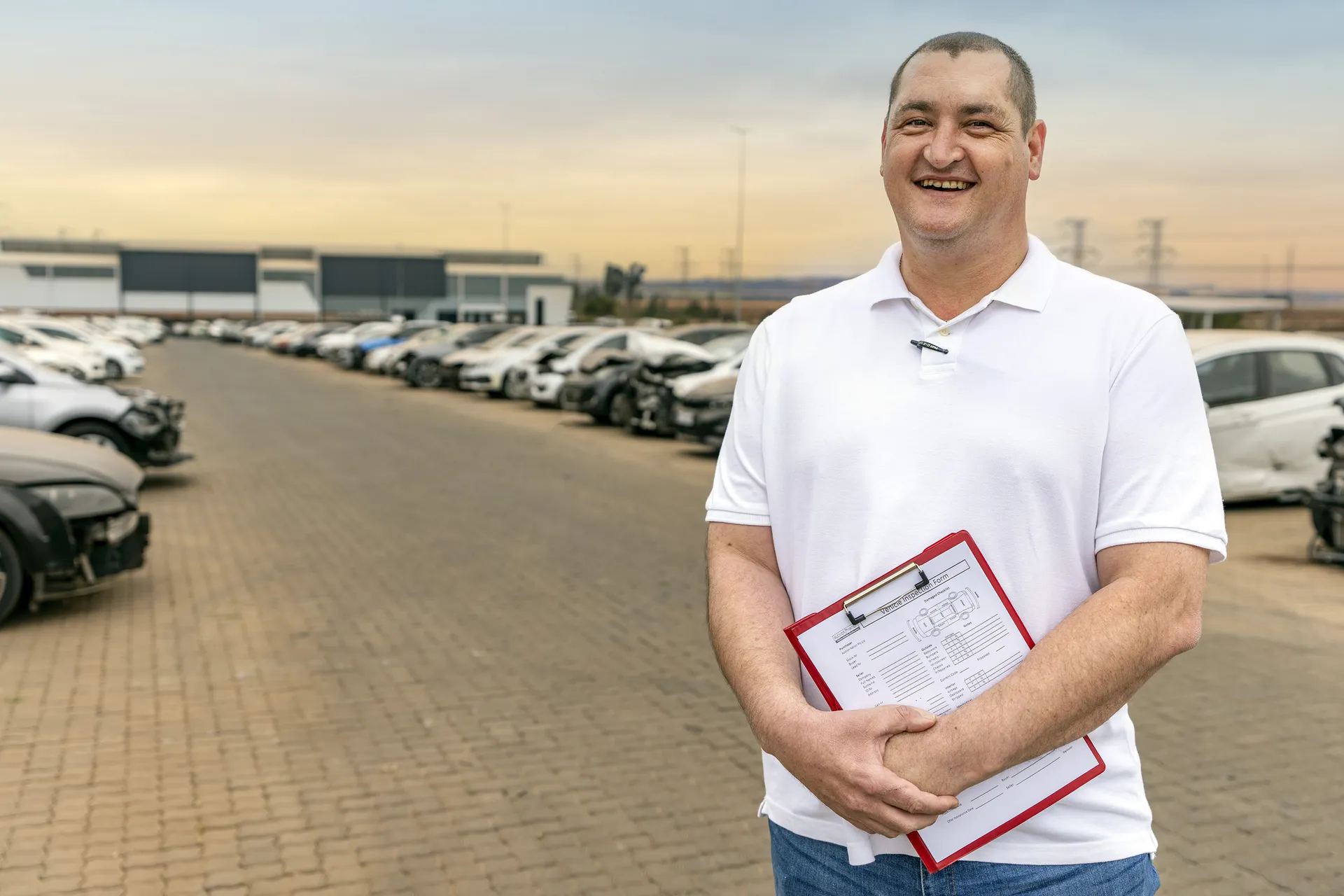
Understanding the Journey of Salvaged Cars
If your vehicle in South Africa is declared a total loss after an accident, flood or fire, and your insurer pays out your claim, the next steps for your car are often a mystery. Many motorists wonder, what actually happens to their salvage car after an insurance payout? This guide explains the salvage process, legal requirements, how insurers handle such vehicles, and what this means for both private and business owners.
Overview: What Counts as Salvage?
- Cars that are declared uneconomical to repair (cost of fixing exceeds insured value or market value)
- Vehicles with severe fire, water, accident or theft damage, often called "write-offs"
- Any car repossessed by insurers after settlement and deregistration for salvage purposes
When Do Insurers Write Off Cars vs. Pay for Repairs?
Insurers in South Africa typically follow guidelines to determine if a car is a total loss. If repair costs exceed a specified percentage of the pre-accident value-usually around 70% or more-the vehicle is considered a write-off. Here's a simplified table for context:
| Repair Cost (R) | Car's Book Value (R) | Repair or Write-off? |
|---|---|---|
| R32,000 | R50,000 | Repair |
| R41,000 | R50,000 | Usually Write-off |
Insurers will assess the extent of the damage together with factors like vehicle age, make/model, and parts availability. If written off, your policy documents typically specify that you relinquish ownership of the salvage-unless you choose to buy it back, which is sometimes possible but comes with implications for future use and registration.
The Salvage Path: What Insurers Do Next
After you accept your insurance payout, the insured car is deregistered and transferred to the insurer's name. The next steps are generally:
- Insurance companies contract salvage dealers or auctioneers to collect the vehicle from your premises, often using free towing services.
- The car is assessed for further recovery or parts stripping. Vehicles with major structural damage are rarely roadworthy again.
- Where legally allowed, the salvage is sold at auction (often to licensed dealers or dismantlers) as a Code 3 (rebuilt) or Code 4 (permanently unfit for the road) vehicle, depending on its status on the eNaTIS system.
- Reusable parts are extracted and resold; hazardous or unrepairable vehicles are sent to formal scrapyards for recycling and de-pollution according to environmental regulations.
Table: Salvage Codes in South Africa
| Code | Meaning | Typical Outcome |
|---|---|---|
| Code 2 | Used car | Still roadworthy |
| Code 3 | Rebuilt after major damage | Can return to road after inspection |
| Code 4 | Permanent demolition (scrap) | Only for parts/metal recycling |
South African Legal and Environmental Notes
South African law requires insurers to deregister written-off vehicles on the eNaTIS (National Traffic Information System). Salvaged cars are catalogued, and resale is regulated to prevent fraud and protect future buyers. Environmental legislation also governs proper scrapping and disposal, especially for hazardous materials.
Tips for Vehicle Owners
- Clarify with your insurer if you wish to keep your write-off-before finalising the claim.
- Familiarise yourself with vehicle codes, as Code 4 cars cannot legally be repaired to roadworthy condition.
- If buying salvage at auction, ensure you understand the risks, history, and paperwork involved.
What After Salvage Sale?
After your car enters the salvage market, it's typically handled by registered scrap yards, part dismantlers, and occasionally, specialist salvage buyers like Sell Your Damaged Car. The vehicle's journey from write-off to parts or recycling helps reduce waste and provides affordable spares to drivers nationwide.
Sources
Seasoned automotive specialists dedicated to helping you turn your damaged or non-running vehicle into cash fast and hassle-free.
Disclaimer: This content is for educational purposes only. Product availability, pricing, and specifications are subject to change. Always verify current details on the retailer's website before making a purchase. We may earn affiliate commissions from qualifying purchases.
Why sell your damaged car to us?

A Division of Auction Nation, the leading expert in selling damaged cars

Best price for your damaged car

Get a cash offer within 24h

We buy damaged cars in any condition

We buy accident- damaged cars still under finance

Free, no obligation offer on your vehicle
How We Calculate Your Damaged Car’s Value
Wondering how we calculate your car’s value? At Sell Your Damaged Car, we look at: Your car’s real condition, its salvage value, and the current market demand. It’s all about honesty, transparency, and fairness — that’s how we determine your offer.
Frequently Asked Questions
Get answers to common questions about Legal And Paperwork
Why Choose Sell Your Damaged Car?
Free Towing
Need a tow? We got you
Hassle Free
Get a cash offer within 24h!
Nationwide
Somewhere remote? No problem!
