
What Happens to a Non-Runner Car After You Sell It for Parts in South Africa
Learn the full journey of a non-running car after sale: collection, parts salvage, recycling, and legal compliance in South Africa's salvage market.
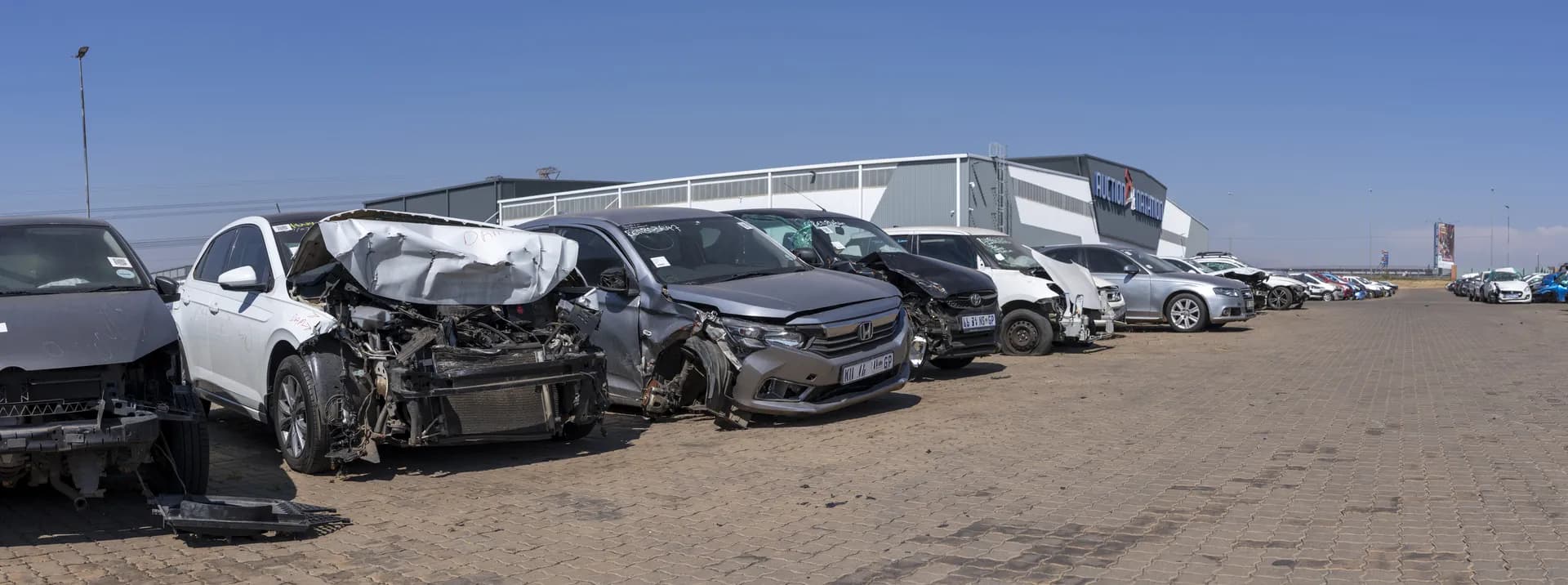
Non-Running Cars and the Parts Market in South Africa
If your car won't start, has mechanical failure, or has extensive damage, selling it as a non-runner is often the most practical solution. Across Johannesburg, Cape Town, Durban, and the rest of South Africa, there's strong demand for vehicles sold as parts and salvage. But what actually happens to a non-runner when you sell it - and how does the process work?
The Typical Life Cycle After Sale
- Collection: Free towing is arranged and your paperwork is processed.
- Assessment: The vehicle is examined to identify reusable parts versus scrap components.
- Dismantling: Skilled technicians remove salvageable items and prepare them for testing and resale.
- Parts Redistribution: Usable parts are sold to workshops, panelbeaters, or private buyers.
- Recycling & Disposal: Remaining materials - engines, metal, plastics - are responsibly recycled according to South African regulations.
This lifecycle ensures your old car contributes to the broader economy by keeping other vehicles on the road and reducing the demand for new components. It also helps reduce environmental waste through proper recycling.
Salvage Value vs. Part-Out Strategy
| Approach | What Happens | Who Buys | Typical Outcome |
|---|---|---|---|
| Sell as Whole to Specialist | Dealer assesses and dismantles for valuable parts, recycles rest. | Registered Salvage or Car Parts Companies | Fast process, minimum admin for seller, professional recycling. |
| Self-Dismantle & Sell Parts | Owner removes and sells parts individually. | Private Purchasers, Mechanics | Time-consuming, more hassle, risk of leftover scrap. |
Choosing a reputable car-buying service like Sell Your Damaged Car speeds up the process and ensures legal compliance for both private owners and business fleets.
The Dismantling and Recycling Process
Once your non-runner arrives at a salvage facility in South Africa, it undergoes a systematic breakdown. Here's how it unfolds:
- Parts such as alternators, gearboxes, doors, headlamps, radiators, and interior items are tested and graded.
- Electronic components and batteries are checked for resale or responsible e-waste handling.
- Fluids like oil and coolant are drained and disposed of according to environmental norms.
- Remaining shell and unusable items are crushed and sent to certified metal recyclers.
What Influences Which Parts Are Salvaged?
| Damage Type | Typical Parts Salvaged | Impact on Offer |
|---|---|---|
| Engine Failure | Panels, interior components, suspension | Fair - body and trim still valuable |
| Collision Damage (Front) | Rear parts, glass, electronics | Moderate - depends on undamaged areas |
| Fire/Flood Damage | Metal body, unburnt or non-electrical parts | Lower - high risk of contamination |
Each non-runner's path is unique, but the focus is always on maximising useful recovery and safe disposal. Vehicles with serviceable engines, panels, or hard-to-find items are especially valuable for the parts market in South Africa.
Legal and Responsible Disposal
South African law requires deregistration of scrapped vehicles (see our guide on paperwork). Reputable buyers provide proof of disposal, meeting guidelines set out by authorities to prevent car cloning or illegal resale. This adds peace of mind and trust for sellers nationwide.
SA-Specific Best Practice
- Always use a registered salvage dealer for compliance and security.
- Request a disposal certificate if you need to complete deregistration with authorities.
- For fleet sales, ensure company records are updated post-collection for asset management.
Sources
Seasoned automotive specialists dedicated to helping you turn your damaged or non-running vehicle into cash fast and hassle-free.
Disclaimer: This content is for educational purposes only. Product availability, pricing, and specifications are subject to change. Always verify current details on the retailer's website before making a purchase. We may earn affiliate commissions from qualifying purchases.
Why sell your damaged car to us?

A Division of Auction Nation, the leading expert in selling damaged cars

Best price for your damaged car

Get a cash offer within 24h

We buy damaged cars in any condition

We buy accident- damaged cars still under finance

Free, no obligation offer on your vehicle
How We Calculate Your Damaged Car’s Value
Wondering how we calculate your car’s value? At Sell Your Damaged Car, we look at: Your car’s real condition, its salvage value, and the current market demand. It’s all about honesty, transparency, and fairness — that’s how we determine your offer.
Frequently Asked Questions
Get answers to common questions about Selling Guides
Why Choose Sell Your Damaged Car?
Free Towing
Need a tow? We got you
Hassle Free
Get a cash offer within 24h!
Nationwide
Somewhere remote? No problem!
