
What Happens After Selling a Car for Parts in South Africa: Complete Guide
Discover the full process after selling your car for parts in South Africa: legal steps, paperwork, deregistration, and how buyers handle vehicle disposal and recycling.
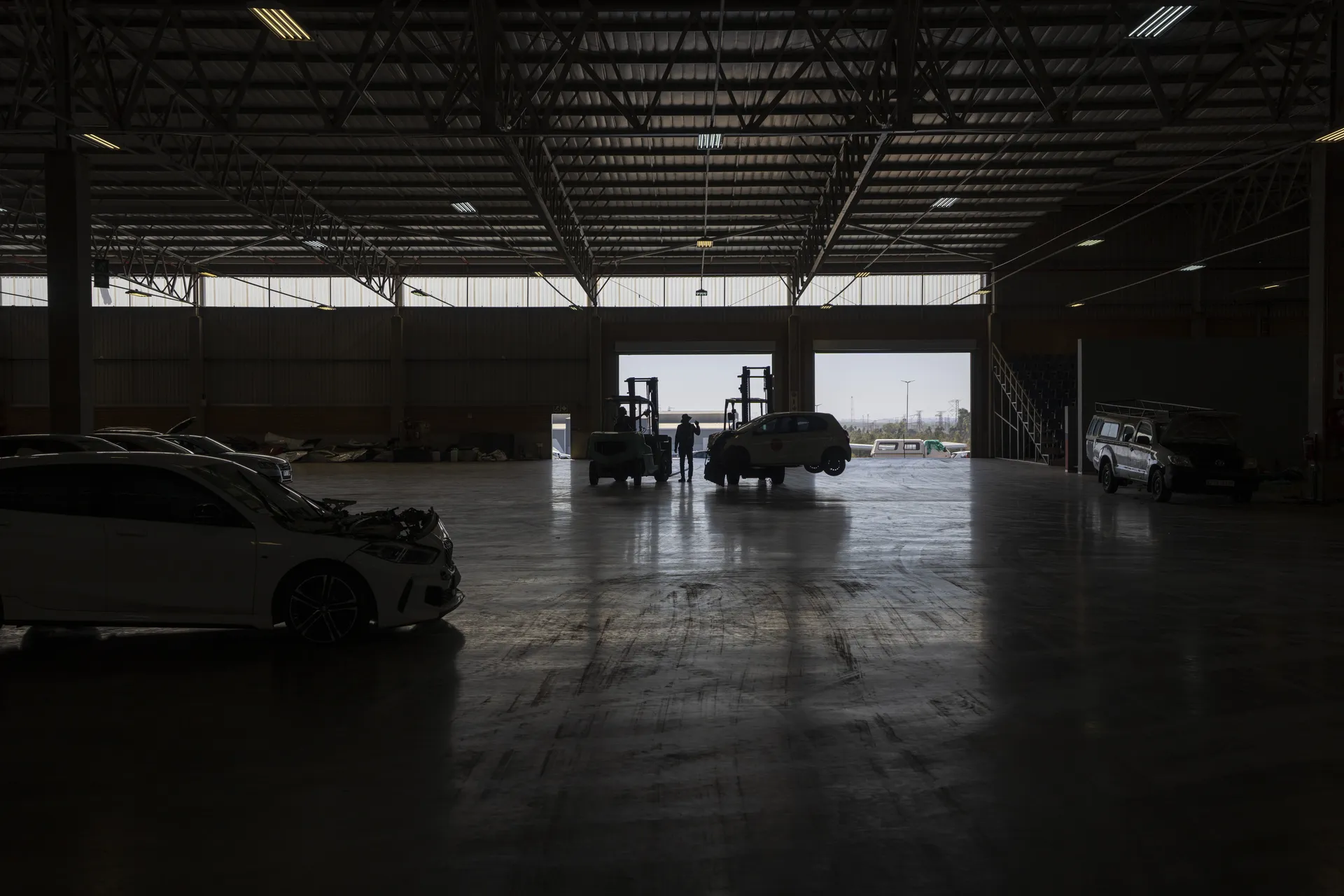
Overview: Selling a Car for Parts in South Africa
If you have a non-running or severely damaged vehicle, selling your car for parts can be a practical solution. South African sellers choose this option when repair costs exceed the car's market value or when the car has been written off by insurers. But what actually happens after you've made the sale?
This guide will walk you through what to expect after selling your car for parts in South Africa, including the vehicle's legal status, typical next steps, and how specialist services like Sell Your Damaged Car handle the process for you.
When to Consider Selling for Parts vs Repair
Deciding between repairing your damaged vehicle or selling it for parts often comes down to comparing costs and likely values. The table below shows common scenarios where selling for parts makes more sense:
| Type of Damage | Est. Repair Cost (R) | Typical Salvage Value (R) | Repair Viable? |
|---|---|---|---|
| Major Collision/Structural | 50,000+ (often exceeds value) | 15,000-70,000 | Rarely |
| Flood or Fire Damage | 60,000+ (usually uneconomical) | 10,000-60,000 | No |
| Severe Mechanical Failure | 20,000-100,000 | 10,000-50,000 | Depends |
If your car falls into these categories, selling it for parts is often a more practical, low-risk choice, particularly if you want a fast, hassle-free transaction.
How the Process Works with a Specialist Buyer
When you sell your car for parts to a service like Sell Your Damaged Car, your responsibilities end after accepting the offer and handing over the car. Here's what typically happens:
- The buyer usually collects your vehicle via free towing from your location, be it Johannesburg, Cape Town, Durban, or anywhere else in South Africa.
- All relevant paperwork, including deregistration from the National Traffic Information System (NaTIS), is handled for you.
- Payment is made and verified, after which legal ownership transfers to the buyer.
What Happens to the Car Next?
Once collected, your vehicle typically goes through the following steps:
- Assessment by the buyer or a licensed dismantler to determine valuable, reusable parts.
- Removal of all salvageable components, often for sale to workshops or the used parts market.
- Recycling or safe disposal of hazardous wastes (fluids, airbags, batteries, etc.) in line with South African standards.
- The remaining shell is usually scrapped and recycled.
Legal and Admin Steps After the Sale
It's crucial to ensure deregistration is completed. In South Africa, the process usually involves:
- Submitting a Notification of Change of Ownership (NCO) to your local licensing centre.
- The dismantler or buyer registers the vehicle for scrap/parts use.
- Papers such as the vehicle logbook (RC1 document) and proof of sale are handled or provided by the buying service.
Tips to Ensure a Clean Handover
- Always confirm you receive confirmation of deregistration (for peace of mind and to avoid future legal or toll issues).
- Clear your personal effects and remove license discs before collection.
- Photograph the car and paperwork as personal records of the transaction.
Summary Table: Key Steps After Selling for Parts
| Next Step | Who Handles It? | Timeframe |
|---|---|---|
| Paperwork processing / deregistration | Buying service / you (jointly) | Same day to 1 week |
| Vehicle collection & payment release | Buying service | 24-72 hours |
| Parts removal/salvage | Licensed dismantler | Varies (days-weeks) |
What to Expect in the Weeks After the Sale
- Your vehicle will be deregistered (you can check your status via the NaTIS online portal).
- Your name will no longer be associated with the car-protecting you from liability.
- Any usable parts are redistributed in the South African automotive supply chain or exported.
Sources
Seasoned automotive specialists dedicated to helping you turn your damaged or non-running vehicle into cash fast and hassle-free.
Disclaimer: This content is for educational purposes only. Product availability, pricing, and specifications are subject to change. Always verify current details on the retailer's website before making a purchase. We may earn affiliate commissions from qualifying purchases.
Why sell your damaged car to us?

A Division of Auction Nation, the leading expert in selling damaged cars

Best price for your damaged car

Get a cash offer within 24h

We buy damaged cars in any condition

We buy accident- damaged cars still under finance

Free, no obligation offer on your vehicle
How We Calculate Your Damaged Car’s Value
Wondering how we calculate your car’s value? At Sell Your Damaged Car, we look at: Your car’s real condition, its salvage value, and the current market demand. It’s all about honesty, transparency, and fairness — that’s how we determine your offer.
Frequently Asked Questions
Get answers to common questions about Selling Guides
Why Choose Sell Your Damaged Car?
Free Towing
Need a tow? We got you
Hassle Free
Get a cash offer within 24h!
Nationwide
Somewhere remote? No problem!
