
Understanding Salvage History on Vehicle Reports in South Africa
Find out what salvage history means on car reports, how it affects selling and value, and how to manage paperwork and resale in South Africa.
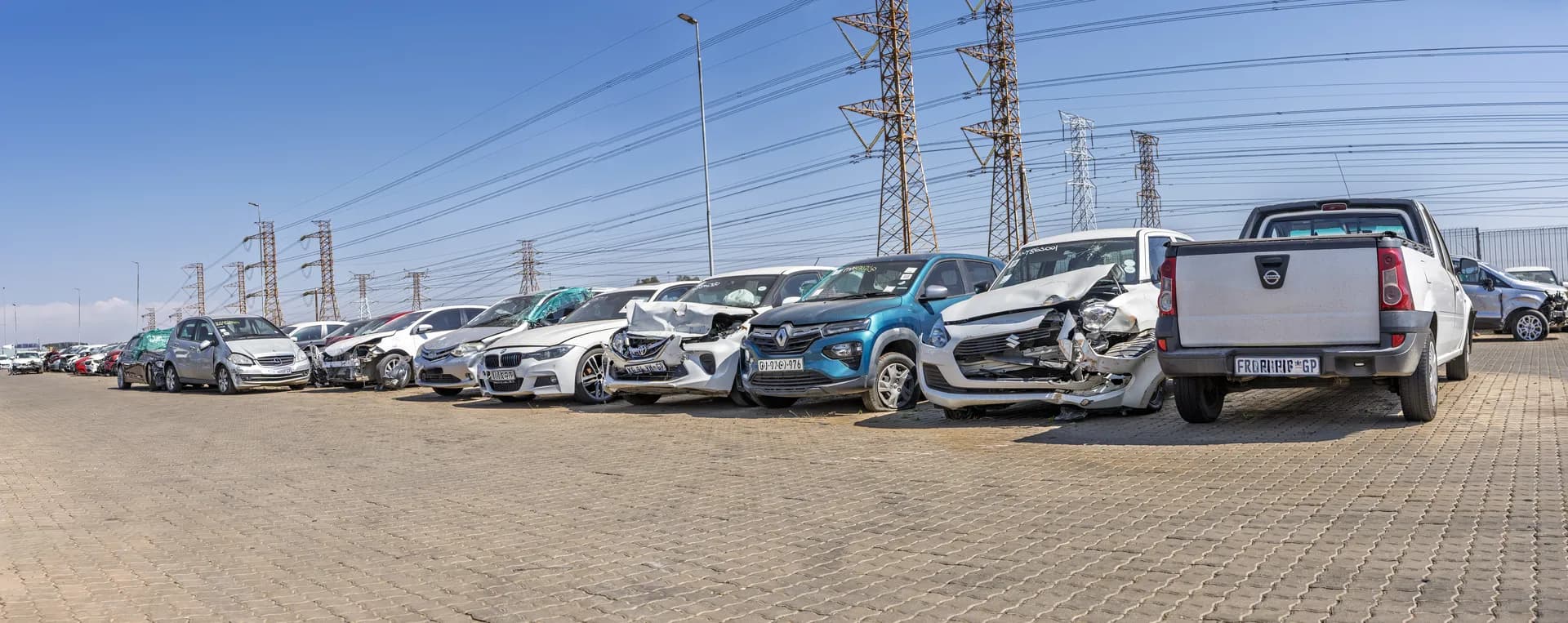
What Is Salvage History?
A salvage history on a vehicle report indicates that a car has previously been declared a total loss by insurers, usually after damage from an accident, flood, fire, or theft recovery. In South Africa, this label can substantially affect a car's resale value, legal status, and your ability to insure or finance the vehicle. Understanding the significance of salvage history data in reports is crucial for a transparent, informed sale or purchase, especially given how many used cars may carry this status without owners even realising it.
How Does Salvage Status Occur?
- Severe accident damage where repair costs exceed the car's value
- Extensive mechanical or flood damage resulting in high repair quotes
- Theft where a car is later recovered, often with major losses or missing parts
- Insurers "write off" or deregister the vehicle as not economically viable to restore
Types of Salvage Codes in South Africa
| Code | Definition | Roadworthy? |
|---|---|---|
| Code 2 | Used, but no major accident. Eligible for normal registration. | Yes |
| Code 3 | Written-off & rebuilt. Detailed inspection required before new registration. | Possible, subject to inspection |
| Code 4 | Irreparable/scrap only. No road use permitted-sold only for parts. | No |
Why Salvage History Matters for Sellers and Buyers
- Buyers often shy away from salvage vehicles, affecting resale options and cash offers.
- Some insurers exclude code 3/4 cars or apply higher premiums.
- Financing can be harder with salvage-labeled vehicles.
How Salvage Status Impacts Value and Offer Calculations
A salvage record on your car report signals higher risk, so both private buyers and professional car-buying services will lower their offer, sometimes substantially. Here's how different damage types and codes may affect cash offers in a South African context:
| Salvage Type | Typical Offer Impact* | Possible Use |
|---|---|---|
| Code 3 (Rebuilt) | 50-70% lower than undamaged value | May be re-registered after full inspection, or used for parts |
| Code 4 (Scrap) | 80-95% lower or only offer for parts | Parts resale or metal salvage-cannot be made roadworthy |
*These are typical ranges for South Africa as of 2024; each case is unique and depends on make, model, and market demand.
What Are Your Rights and Requirements?
- Sellers must disclose known salvage history when selling to a business or private party.
- All code 3 and 4 cars should be deregistered correctly at your local licensing office (see paperwork info here).
- It is illegal to misrepresent a scrap car's status for road use in SA.
Tips for Navigating Salvage History Effectively
- Always check the VIN with the National Traffic Information System (NaTIS) or ask for a full history report.
- Disclose any known salvage codes up-front to avoid disputes later.
- Retain all documentation (claims, assessments, repairs) for future reference.
- If you have finance outstanding, notify the bank-settlements may be required before transfer or scrapping.
What Happens After Selling or Deregistering?
Once your salvage or written-off car is sold (or scrapped), ensure you:
- Complete the change-of-ownership or deregistration at your licensing office.
- Update your insurer and bank so debits or insurance are cancelled.
- If selling to a specialist, confirm they supply receipts and undertake all legal steps.
Sources
Seasoned automotive specialists dedicated to helping you turn your damaged or non-running vehicle into cash fast and hassle-free.
Disclaimer: This content is for educational purposes only. Product availability, pricing, and specifications are subject to change. Always verify current details on the retailer's website before making a purchase. We may earn affiliate commissions from qualifying purchases.
Why sell your damaged car to us?

A Division of Auction Nation, the leading expert in selling damaged cars

Best price for your damaged car

Get a cash offer within 24h

We buy damaged cars in any condition

We buy accident- damaged cars still under finance

Free, no obligation offer on your vehicle
How We Calculate Your Damaged Car’s Value
Wondering how we calculate your car’s value? At Sell Your Damaged Car, we look at: Your car’s real condition, its salvage value, and the current market demand. It’s all about honesty, transparency, and fairness — that’s how we determine your offer.
Frequently Asked Questions
Get answers to common questions about Legal And Paperwork
Why Choose Sell Your Damaged Car?
Free Towing
Need a tow? We got you
Hassle Free
Get a cash offer within 24h!
Nationwide
Somewhere remote? No problem!
