
Towing Needed for Non-Running Car vs. Scrapping in South Africa: What Owners Should Know
Weigh your options: Should you tow and sell your non-running car or scrap it in South Africa? Compare value, admin, and practical steps for SA owners.
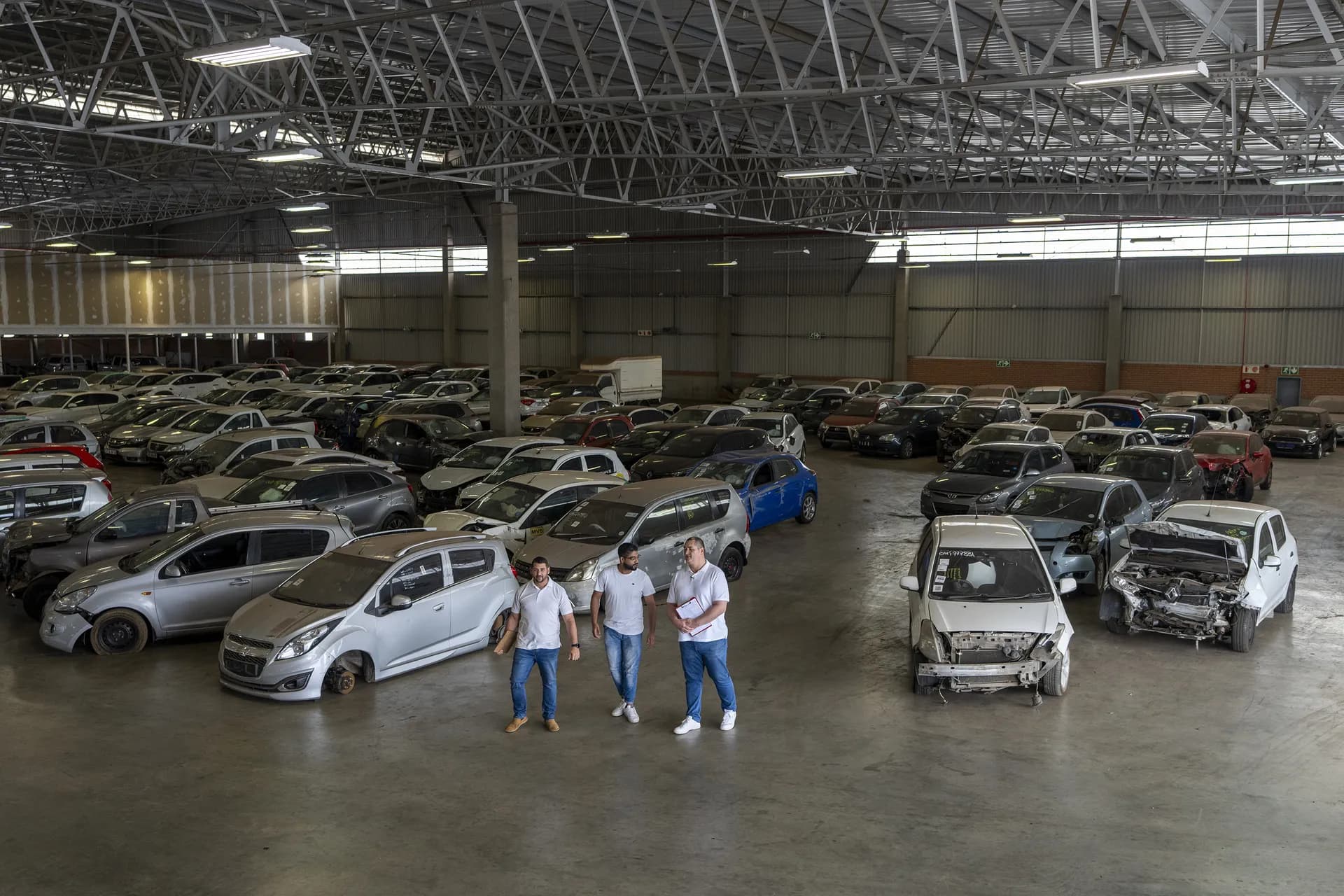
Overview: Towing a Non-Running Car vs. Scrapping in SA
When your car breaks down or is declared non-running, South African owners are often faced with two main options: arrange for towing and attempt to sell, or scrap the vehicle outright. Each route impacts what you need to do, the value you might recover, and how stress-free the process will be. Let's examine the pros, cons, and practicalities so you can make the most informed decision-whether you're based in Johannesburg, Cape Town, Durban, or anywhere nationwide.
Defining the Options
- Towing for Sale: Arrange collection of your non-running vehicle to sell to a dealer or specialist buyer, who often includes towing and handles admin.
- Scrapping: Have your car dismantled for parts or metal-typically lower value, may require you to organise and pay for towing yourself, and more paperwork around deregistration.
Comparing Value: Table Overview
| Route | Value to Seller | Admin Required | Who Pays Towing? |
|---|---|---|---|
| Sell to Specialist (e.g. Sell Your Damaged Car) | Usually higher than scrap; depends on demand for salvage/parts | Minimal (handled by buyer) | Buyer (free towing) |
| Scrap/Dismantle | Lower (price per kg or basic parts) | Moderate to high (deregistration, compliance) | Typically the seller |
When Is Towing Needed?
If your car cannot be driven due to severe mechanical failure, accident, or has stood idle for months, towing is always required. South African specialist buyers like Sell Your Damaged Car provide free, nationwide towing, which often makes selling for salvage easier than managing the process with a scrapyard.
Understanding the Decision: Sell or Scrap?
- If your car has reusable parts, strong salvage demand, or is accident-damaged but relatively modern, selling is likely to yield better value.
- If the car is very old, completely destroyed, burnt-out, or valuable only for metal, scrapping may be the only option.
Consider your priorities: Do you want less admin, free collection, and fast cash? Or are you prepared to arrange towing, paperwork, and possibly get a lower payout for scrap?
Process in Practice: Step-by-Step
Selling a Non-Running Car to a Specialist
- Collect your car's details: make, model, year, mileage, and clear photos of its condition.
- Submit these to a service like Sell Your Damaged Car.
- You'll receive a competitive cash offer (reflecting value as salvage or for parts).
- If accepted, the company arranges free towing nationwide: Cape Town, Johannesburg, Durban, and beyond.
- They handle paperwork (including deregistration, if needed), and pay you quickly-often before or on collection.
Scrapping a Car Yourself in South Africa
- Contact local scrapyards and request price per kg, or rates for usable parts (varies by region and vehicle type).
- Arrange for the car to be towed (at your expense in most cases).
- Manually complete deregistration and scrapping paperwork at your provincial authority or eNatis office.
- Most scrapyards pay only after dismantling and accept no admin responsibility.
Legal and Paperwork Tips
- Even non-running or scrapped cars must be deregistered with the eNatis system.
- Keep your ID, original registration, and proof of address ready.
- Request a certificate of scrapping/removal if dealing with scrapyards, to avoid future liability or fines.
- Vehicles under finance need to be settled or finance house permission obtained before transfer or scrapping.
What Happens After Collection?
- If sold as salvage: The vehicle is assessed for parts, spares or, if severely damaged, for scrap metal. Payment is usually immediate or same day.
- If scrapped: Parts are stripped, shell is weighed and cut up, and you are paid based on metal content (rates may vary).
- Successful deregistration removes your ownership from the eNatis database and halts all future licencing costs and liabilities.
Table: Typical Offer Impact by Damage Type (SA Context)
| Damage Type | Towing Needed? | Expected Value (Estimate) | Suitable Route |
|---|---|---|---|
| Non-running (engine failure) | Yes | R2,000-R15,000 (model dependent) | Specialist sale or salvage |
| Severe accident/write-off | Yes | R1,500-R12,000 | Sell or scrap, depending on state |
| Burnt out, fire/flood damaged | Yes | R500-R4,000 (metal only) | Scrap only |
Tips to Maximise Value and Minimise Hassle
- Request a quote from at least one specialist buyer before deciding to scrap.
- Gather all paperwork in advance to speed up the process.
- Verify that free towing is included, especially outside major metros.
- Always confirm payment timing-ideally, payment should be immediate or on collection.
Sources
Seasoned automotive specialists dedicated to helping you turn your damaged or non-running vehicle into cash fast and hassle-free.
Disclaimer: This content is for educational purposes only. Product availability, pricing, and specifications are subject to change. Always verify current details on the retailer's website before making a purchase. We may earn affiliate commissions from qualifying purchases.
Why sell your damaged car to us?

A Division of Auction Nation, the leading expert in selling damaged cars

Best price for your damaged car

Get a cash offer within 24h

We buy damaged cars in any condition

We buy accident- damaged cars still under finance

Free, no obligation offer on your vehicle
How We Calculate Your Damaged Car’s Value
Wondering how we calculate your car’s value? At Sell Your Damaged Car, we look at: Your car’s real condition, its salvage value, and the current market demand. It’s all about honesty, transparency, and fairness — that’s how we determine your offer.
Frequently Asked Questions
Get answers to common questions about Comparison And Alternatives
Why Choose Sell Your Damaged Car?
Free Towing
Need a tow? We got you
Hassle Free
Get a cash offer within 24h!
Nationwide
Somewhere remote? No problem!
