
Top Insurers for Salvage Vehicles in South Africa: 2024 Comparison & Key Considerations
Discover which South African insurers accept salvage and Code 3 vehicles. Learn about policy options, requirements, and tips for insuring rebuilt or accident-damaged cars.
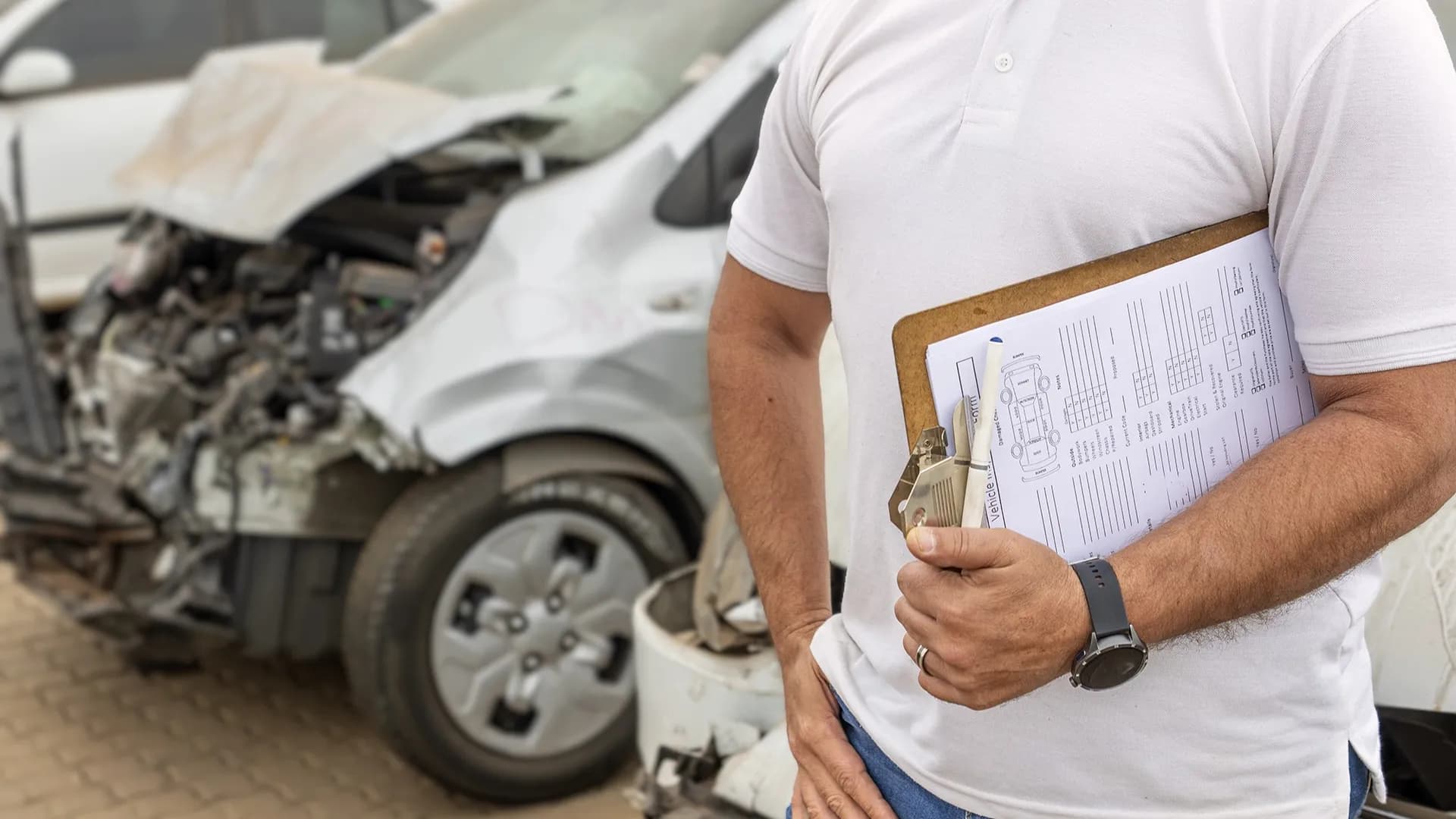
Overview: Insurance and Salvage Vehicles in South Africa
Owning a salvage vehicle in South Africa offers an affordable path back to the road after accident damage, theft recovery, or mechanical failure. However, insuring such vehicles can be challenging. Not all insurers accept code 2 or code 3 (rebuilt/salvaged) vehicles, and coverage terms, limitations, and premiums often differ from standard policies. This guide demystifies the options, highlights respected insurers for salvage cars, and explains how to secure suitable, compliant protection.
What is a Salvage Vehicle?
In South Africa, a 'salvage vehicle' typically refers to a car declared uneconomical to repair by insurers after severe damage or theft, then restored or bought as-is. It is often coded as Code 3 (built-up) on the eNatis system. These vehicles may be roadworthy but must meet strict inspection and paperwork criteria to be used lawfully on public roads.
When and Why to Insure a Salvage Vehicle?
- Protects your financial interest if theft or another accident occurs.
- May be required by law (for financed vehicles) or by fleet/commercial management rules.
- Enables legal use on SA roads by providing proof of insurance where required.
Common Salvage Insurance Challenges in South Africa
- Limited list of mainstream insurers willing to underwrite Code 3 vehicles.
- Higher premiums, excess levels, or limited cover (e.g., fire/theft only).
- Compulsory vehicle inspections and stricter acceptance criteria.
| Insurer | Salvage Cover Options | Typical Requirements |
|---|---|---|
| MiWay | Limited comprehensive, third-party, fire & theft | Roadworthy and police clearance, full disclosure |
| OUTsurance | Third-party & fire/theft, some Code 3 accepted | Inspection, code documentation, proof of repairs |
| King Price | Fire, theft, some limited comprehensive cover | Full repair records, eNatis status |
| Dialdirect | Third-party & theft (by arrangement) | Pre-policy inspection, roadworthy certificate |
Because policies and risk appetite change regularly, always confirm directly with any insurer regarding their latest salvage vehicle policy terms.
How to Apply for Salvage Vehicle Insurance
- Obtain a full written history of your vehicle's damage, repairs, and eNatis code status.
- Get a valid Certificate of Roadworthiness and, if required, a police clearance for rebuilt vehicles.
- Contact potential insurers (preferably via phone or direct agent) to discuss salvage policy options.
- Be upfront about previous damage, repairs, and any modifications.
- Arrange for any required vehicle inspection by the insurer or their agent.
What Influences Your Salvage Insurance Premium?
- Severity and type of prior damage (structural, theft recovery, flood, fire).
- Vehicle age, make, model, and market replacement value.
- Documentation quality and completeness.
- Location (city/region, e.g., Johannesburg, Cape Town, Durban may have different rates).
| Damage Type | Typical Insurance Impact |
|---|---|
| Accident Rebuild | Moderate to high premium; comprehensive coverage may be restricted |
| Theft Recovery | Coverage possible; policy may require detailed proof of repairs |
| Flood/Fire Damage | Coverage may be limited or excluded; expect in-depth inspection |
Tip: Use a specialist broker if your car is heavily modified, unique, or a commercial vehicle. Fleet owners can often negotiate group policies for non-standard vehicles.
What to Watch For
- Read policy documents for exclusions-flood and fire may not always be covered.
- Ensure understanding of claims process and excess amounts for salvage vehicles.
- Disclose all previous damage; non-disclosure risks a voided policy.
After You're Insured: Protecting Your Investment
- Keep all paperwork and service records for future resale or claims.
- Update the insurer and the eNatis database if further repairs or modifications are made.
- Review your policy annually; as your salvage vehicle ages, coverage needs may change.
Sources
Seasoned automotive specialists dedicated to helping you turn your damaged or non-running vehicle into cash fast and hassle-free.
Disclaimer: This content is for educational purposes only. Product availability, pricing, and specifications are subject to change. Always verify current details on the retailer's website before making a purchase. We may earn affiliate commissions from qualifying purchases.
Why sell your damaged car to us?

A Division of Auction Nation, the leading expert in selling damaged cars

Best price for your damaged car

Get a cash offer within 24h

We buy damaged cars in any condition

We buy accident- damaged cars still under finance

Free, no obligation offer on your vehicle
How We Calculate Your Damaged Car’s Value
Wondering how we calculate your car’s value? At Sell Your Damaged Car, we look at: Your car’s real condition, its salvage value, and the current market demand. It’s all about honesty, transparency, and fairness — that’s how we determine your offer.
Frequently Asked Questions
Get answers to common questions about Comparison And Alternatives
Why Choose Sell Your Damaged Car?
Free Towing
Need a tow? We got you
Hassle Free
Get a cash offer within 24h!
Nationwide
Somewhere remote? No problem!
