
Steps for Effective Vehicle Due Diligence in South Africa: Practical Guide
Master step-by-step vehicle due diligence for South African sellers and buyers. Ensure legal, financial, and paperwork accuracy-stay safe when dealing with damaged or non-running cars.
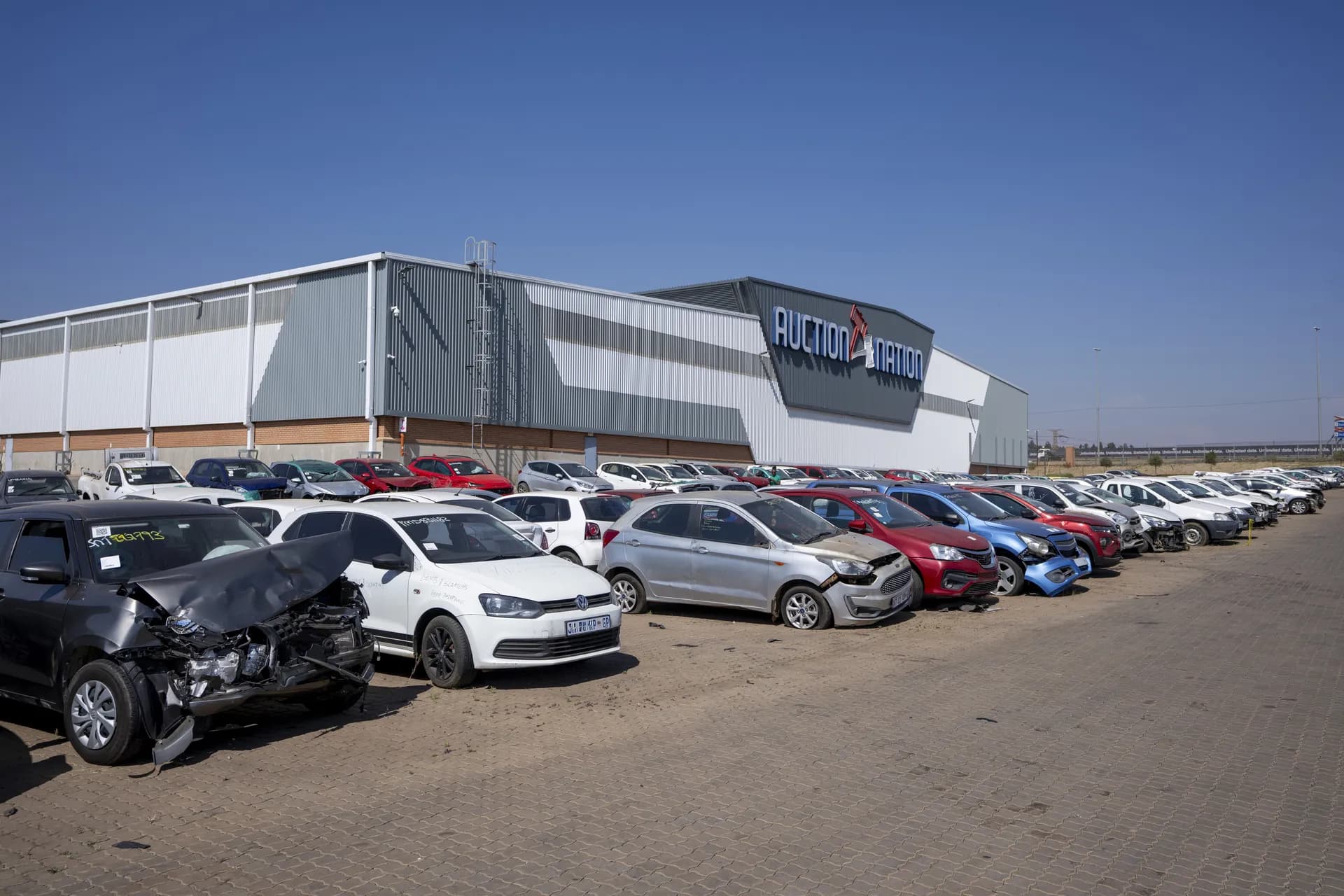
Overview: Why Due Diligence Matters for Vehicle Owners
Whether you're selling a damaged car or considering the purchase of a non-running or accident-impacted vehicle, performing proper due diligence is critical. Effective checks can safeguard you against fraud, legal complications, undervaluing, and future headaches. In the rapidly evolving South African salvage car market, this process protects both personal sellers and small fleet owners from avoidable mistakes.
What Does Due Diligence Entail?
- Verifying the car's legal status and ownership
- Assessing structural and mechanical condition
- Confirming accident history or previous insurance write-offs
- Reviewing outstanding finance or debts (e.g., naartjie or bank settlement)
- Understanding the paperwork required for sale, deregistration, or salvage
When Is Due Diligence Essential?
- Selling to car-buying services or salvage yards
- Buying a damaged or salvage vehicle
- Handling vehicles under existing bank finance agreements
- Planning to part out or export a vehicle
Step 1: Gather and Inspect Documents
Obtain all ownership documents, registration papers (NaTIS), roadworthy certificates (if available), insurance reports, and settlement letters (for vehicles under finance). Check that VIN, engine, and chassis numbers match on all paperwork and the vehicle itself.
Step 2: Inspect Vehicle Condition (With Examples)
Document accident points, mechanical faults, non-running status, or water/fire damage. Detailed photographs from multiple angles are critical for listing and valuation. If possible, get an independent mechanical inspection - helpful even for non-runners or write-offs.
| Damage Type | Impact on Offer/Value | Due Diligence Step |
|---|---|---|
| Accident/Collision | Lower value (depends if structural) | Obtain a crash/insurance report |
| Mechanical Failure | Moderate to high impact | List major faults with supporting invoices/photos |
| Flood/Fire Damage | Significant offer reduction | Document incident and get written-off status if applicable |
Step 3: Verify Legal Standing and Ownership
Run a NaTIS check to confirm verified ownership and that there are no theft records or police markers. Ensure no outstanding eNatis admin blocks (like unpaid fines or traffic restrictions). For financed vehicles, confirm that you have a bank settlement letter and authority to sell.
Step 4: Assess Market Potential and Next Steps
Research current salvage market trends-certain brands and types (like bakkies or popular sedans) may attract higher offers, even when damaged or non-running. Compare recent sales or offers with your vehicle's specs and condition to get realistic expectations.
| Repair Cost Range (R) | % Value Retained | Common Outcome |
|---|---|---|
| R15,000-R50,000 | 40%-65% | Repair possible, offers higher if demand strong |
| R50,000+ | 15%-35% | Written off, mainly salvage market |
Step 5: Prepare for Sale or Deregistration
- Have all paperwork (title, ID, NaTIS, proof of settlement if financed) in order
- Notify your insurer if the car was written-off or settled
- Ask your buyer to provide proof of payment before transfer/collection
- For written-off cars, submit the relevant deregistration forms to the licensing authority
What To Do After Sale or Collection
- Check your bank for verified payment before releasing the car
- Retain a copy of all transfer and deregistration documents
- Notify your insurer and update the National Traffic Information System (NaTIS)
- Respond promptly to queries from authorities if the vehicle is flagged post-sale
Conclusion: Diligence Pays Off
Whether you're selling a salvage vehicle or considering a purchase, diligent checks at every step help avoid common pitfalls, legal issues, and scams. Careful documentation, verified paperwork, and a systematic approach deliver peace of mind for South African sellers and buyers alike.
Sources
Seasoned automotive specialists dedicated to helping you turn your damaged or non-running vehicle into cash fast and hassle-free.
Disclaimer: This content is for educational purposes only. Product availability, pricing, and specifications are subject to change. Always verify current details on the retailer's website before making a purchase. We may earn affiliate commissions from qualifying purchases.
Why sell your damaged car to us?

A Division of Auction Nation, the leading expert in selling damaged cars

Best price for your damaged car

Get a cash offer within 24h

We buy damaged cars in any condition

We buy accident- damaged cars still under finance

Free, no obligation offer on your vehicle
How We Calculate Your Damaged Car’s Value
Wondering how we calculate your car’s value? At Sell Your Damaged Car, we look at: Your car’s real condition, its salvage value, and the current market demand. It’s all about honesty, transparency, and fairness — that’s how we determine your offer.
Frequently Asked Questions
Get answers to common questions about Tips And Advice
Why Choose Sell Your Damaged Car?
Free Towing
Need a tow? We got you
Hassle Free
Get a cash offer within 24h!
Nationwide
Somewhere remote? No problem!
