
South Africa Car Sale Scam Prevention: How to Sell Your Damaged Car Safely
Learn to avoid scams when selling a damaged or non-running vehicle in South Africa. Get expert tips on safe payment, paperwork, and secure handover.
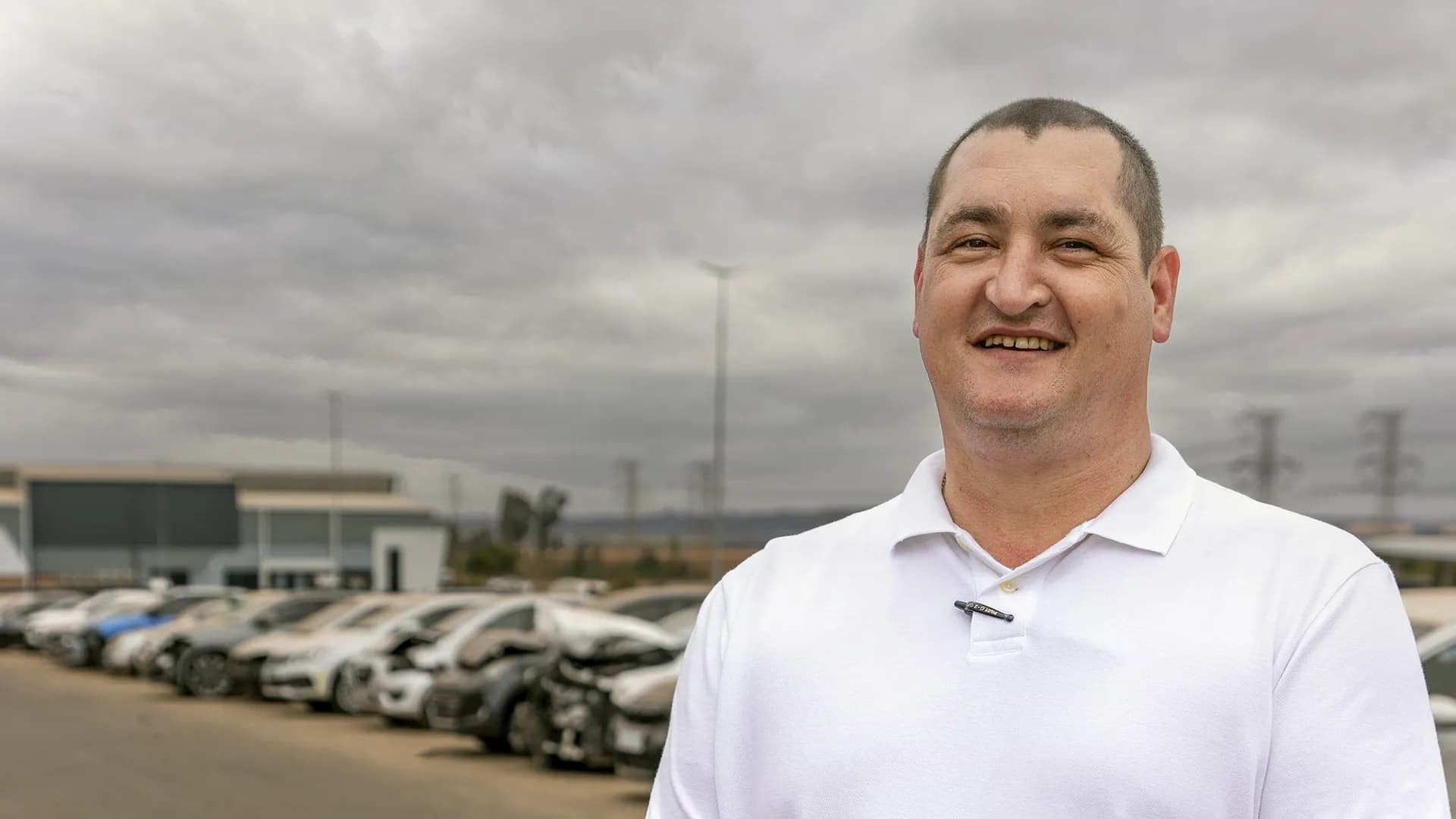
Overview: Selling Damaged Cars Safely in South Africa
South African vehicle owners looking to sell cars with accident, flood, or mechanical damage often face more than just valuation challenges. Scams targeting sellers of damaged or non-running cars have become increasingly common - especially when arranging private sales online. Knowing how to identify risky buyers, handle paperwork, and manage payment is critical to a safe, stress-free transaction.
Common Car Sale Scams in South Africa
- Fake payments (forged POPs or stolen EFTs that later reverse).
- 'Buyers' who insist on unusual paperwork or quick transfers.
- Hidden towing or admin fees demanded upfront.
- Identity theft from sharing too much sensitive documentation.
- Out-of-country buyers requesting shipping and unusual transaction methods.
Many scams target the sense of urgency often felt by sellers of non-running or salvage vehicles, promising "fast cash" while introducing unnecessary risks. These tactics especially affect those selling outside formal dealership channels in cities like Johannesburg, Cape Town, and Durban.
When to Sell Privately vs. Use a Specialist
You may consider a private sale for damaged vehicles in hopes of a slightly higher offer. However, if your car is non-running, written-off, or requires significant repairs, using a reputable car-buying service reduces your risk and ensures paperwork and payment are handled professionally - with free collection nationwide.
| Selling Option | Scam Risk | Admin Effort | Payment Certainty |
|---|---|---|---|
| Private Online Sale | High (unverified buyers) | High (all arrangements yours) | Low-Medium |
| Specialist Car-Buying Service | Low (verified process) | Low (paperwork handled) | High (payment verified) |
Scam Prevention Checklist for SA Sellers
- Insist on face-to-face viewing or reliable online car-buying services.
- Ask for verified proof of payment (bank confirmation, not just SMS notifications).
- Never release your car before bank funds clear - same-day clearance preferred.
- Use official channels for paperwork, especially deregistration with the licensing authority.
- Decline requests for additional, unnecessary documentation.
How Reputable Car-Buying Services Reduce Risk
Trusted specialists like Sell Your Damaged Car implement strict buyer verification, offer transparent agreements, and guarantee free, secure collection from anywhere in South Africa. The streamlined process means you don't risk fraudsters posing as buyers, and you never pay hidden admin or towing charges.
- Photos and car details are submitted online - no need to meet multiple strangers.
- Offers are clearly explained and obligation-free.
- Paperwork (including deregistration) is handled professionally.
- Payment is released only once your vehicle is collected, with immediate verification.
Legal Paperwork and Deregistration Risks
In South Africa, the National Road Traffic Act requires both the seller and buyer to complete ownership transfer and deregistration for any car sale - including salvage and non-running vehicles. Failure to do this can leave you liable for future fines or legal claims involving the car. Never hand over copies of your ID or car documents unless dealing with a verified, legitimate buyer or service.
| Paperwork Task | Risk if Skipped | How to Reduce Risk |
|---|---|---|
| Change of Ownership | Car still on your name (liabilities) | Insist on proof of registration change |
| Deregistration | Fines, e-tolls, legal exposure | Get written deregistration confirmation |
| Proof of Payment | Fraudulent/forged payment | Wait for cleared funds before release |
Tips to Maximise Safety & Transparency
- Check reviews and registration details of any car-buying service.
- Never pay for quotes, collection, or admin - reputable buyers provide these for free in South Africa.
- Photograph your vehicle's existing condition before handover.
- Keep a copy of all signed documents and payment confirmations.
What Happens After Collection?
Once your car has been collected and payment is cleared, a professional service will issue proof of collection and confirm that deregistration and transfer processes are underway. Always keep these records for your peace of mind. If selling privately, follow up on the change of ownership through NaTIS or your local licensing office.
Sources
Seasoned automotive specialists dedicated to helping you turn your damaged or non-running vehicle into cash fast and hassle-free.
Disclaimer: This content is for educational purposes only. Product availability, pricing, and specifications are subject to change. Always verify current details on the retailer's website before making a purchase. We may earn affiliate commissions from qualifying purchases.
Why sell your damaged car to us?

A Division of Auction Nation, the leading expert in selling damaged cars

Best price for your damaged car

Get a cash offer within 24h

We buy damaged cars in any condition

We buy accident- damaged cars still under finance

Free, no obligation offer on your vehicle
How We Calculate Your Damaged Car’s Value
Wondering how we calculate your car’s value? At Sell Your Damaged Car, we look at: Your car’s real condition, its salvage value, and the current market demand. It’s all about honesty, transparency, and fairness — that’s how we determine your offer.
Frequently Asked Questions
Get answers to common questions about Tips And Advice
Why Choose Sell Your Damaged Car?
Free Towing
Need a tow? We got you
Hassle Free
Get a cash offer within 24h!
Nationwide
Somewhere remote? No problem!
