
Scrapping Your Car vs Selling Privately in South Africa: Which Option is Right for You?
Discover whether scrapping or privately selling your damaged car is right for you. Compare effort, paperwork, payout, and best practices for South African vehicle owners.
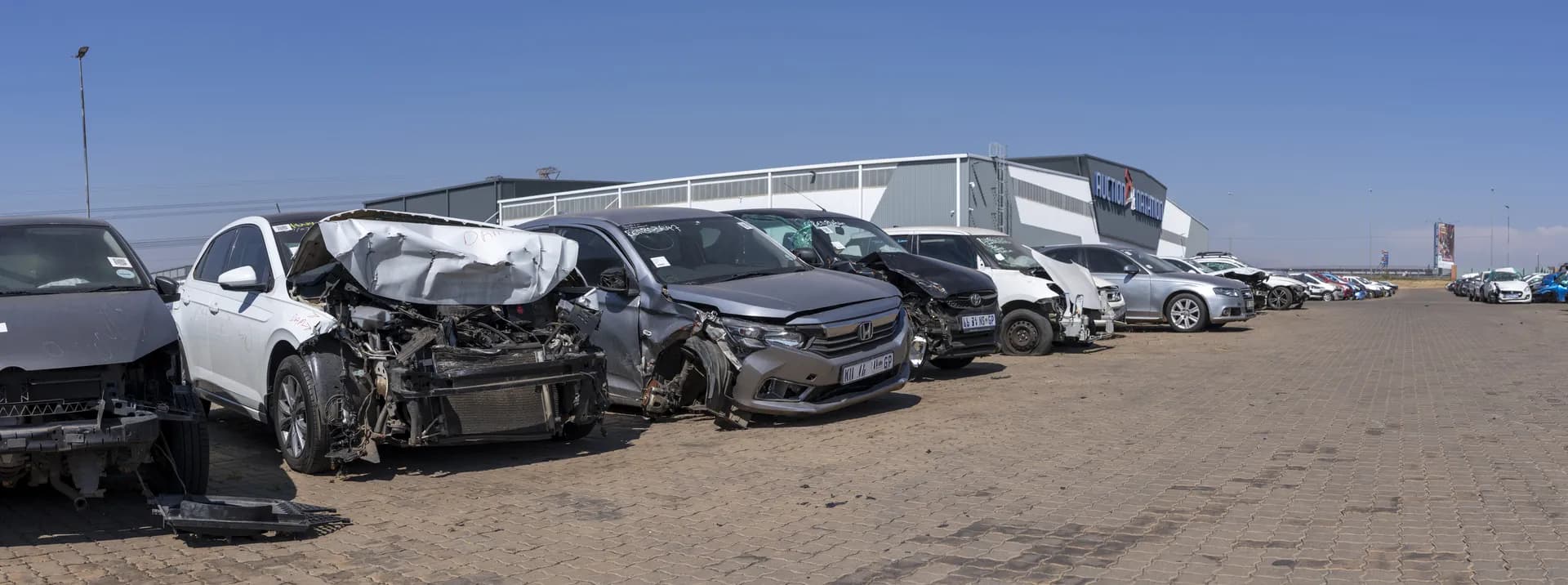
Overview: Understanding Your Options
If your car has suffered significant damage, mechanical failure, or has reached the end of its usable life, you might be considering whether to scrap it for parts or attempt to sell it privately. Both approaches offer potential advantages - but your choice can affect how much effort, risk, and return you'll face. Here we outline what's involved in each option for South African vehicle owners, and how they compare on cost, convenience, and legal requirements.
Typical Scenarios for Scrapping or Selling Privately
- You have an accident-damaged or written-off vehicle, and repairs exceed resale value.
- Your car is non-running due to severe mechanical issues or age.
- The vehicle still has usable parts or panels but isn't roadworthy.
- You're seeking a quick cash outcome with minimal stress.
Scrapping Your Damaged Car: How It Works
Scrapping means selling your car for disposal, either to a scrapyard, salvage company, or parts recycler. In South Africa, scrapping can involve:
- Contacting licensed scrapyards or salvage buyers.
- Arranging for collection or delivering the vehicle - some services offer free towing.
- Completing deregistration forms at your local licensing department.
- Receiving payment for the vehicle as a whole or for specific salvageable components.
Payouts depend on the car's weight (for scrap metal) and the demand for specific parts. Scrapping is often suited for severely damaged or incomplete vehicles, where private sale prospects are low.
Selling Privately: Pros and Process
Selling privately means listing your vehicle on classified sites or marketplaces, negotiating directly with buyers, and handling paperwork yourself. This method can be suitable for cars with minor to moderate damage, or vehicles that still run and may attract bargain hunters or DIY enthusiasts.
- Prepare honest, detailed listings with clear photos showing all damage.
- Set a realistic price based on market value for similar vehicles in South Africa.
- Screen buyers, negotiate offers, and manage vehicle viewings and test drives (if possible).
- Complete sale and transfer of ownership through NaTIS paperwork.
Comparing Outcomes: Repair Cost vs Value Retained
| Scenario | Repair Cost (R) | Likely Sale Value (Private/Scrap) | Estimated Net Outcome |
|---|---|---|---|
| Minor accident, runs | 10,000 | 30,000 / 8,000 | Private sale yields more return |
| Major engine failure | 30,000 | 12,000 / 7,000 | Repair not worthwhile; consider scrapping |
| Total loss (written-off) | 45,000+ | Unlikely / 9,000 | Scrap or salvage route recommended |
Damage Type and Value: What Affects Your Offer?
| Damage Type | Impact on Private Sale | Impact on Scrap/Salvage Value |
|---|---|---|
| Minor cosmetic | Moderate (buyer dependent) | Low (sold as metal) |
| Non-running/engine failure | Drastically reduced pool, lower interest | Attracted by parts & scrap buyers |
| Structural/accident | Very limited, mostly for spares | Valued for reusable panels & metal |
| Fire/flood | Minimal, often rejected privately | Usually processed for scrap only |
Paperwork and Legal Differences
- Scrapping requires deregistration at the licensing authority to remove your liability.
- Private sales must include a roadworthy certificate if the vehicle is to be licensed again - not always possible for damaged vehicles.
- For vehicles still under finance, you must settle any outstanding loan before either disposal method.
Pros & Cons Summary
| Factor | Scrapping | Selling Privately |
|---|---|---|
| Effort Required | Low to moderate (with towing included) | High (viewings, negotiation, paperwork) |
| Payout Speed | Same day to few business days | Variable (can take weeks) |
| Potential Cash Return | Lower, but immediate | Potentially higher for repairable vehicles |
| Risk of Scams/Fraud | Low if using reputable service | Elevated risk, especially online |
| Paperwork Complexity | Handled by buyer; deregistration needed | You must manage all transfer/admin |
What Happens After You Sell or Scrap?
- If scrapped, the vehicle is dismantled for usable parts and metals, with most non-salvageable items recycled responsibly.
- For private sales, the vehicle's next steps depend on the buyer: it may be fixed, parted out, or returned to the road if legally and safely possible.
- Always ensure deregistration and change of ownership documentation is properly completed to avoid future liability.
Sources
Seasoned automotive specialists dedicated to helping you turn your damaged or non-running vehicle into cash fast and hassle-free.
Disclaimer: This content is for educational purposes only. Product availability, pricing, and specifications are subject to change. Always verify current details on the retailer's website before making a purchase. We may earn affiliate commissions from qualifying purchases.
Why sell your damaged car to us?

A Division of Auction Nation, the leading expert in selling damaged cars

Best price for your damaged car
Get a cash offer within 24h

We buy damaged cars in any condition

We buy accident- damaged cars still under finance

Free, no obligation offer on your vehicle
How We Calculate Your Damaged Car’s Value
Wondering how we calculate your car’s value? At Sell Your Damaged Car, we look at: Your car’s real condition, its salvage value, and the current market demand. It’s all about honesty, transparency, and fairness — that’s how we determine your offer.
Frequently Asked Questions
Get answers to common questions about Comparison And Alternatives
Why Choose Sell Your Damaged Car?
Free Towing
Need a tow? We got you
Hassle Free
Get a cash offer within 24h!
Nationwide
Somewhere remote? No problem!
