
Scrap Vehicle Deregistration for Environmental Compliance in South Africa: A Complete Guide
Comprehensive guide to scrap vehicle deregistration for environmental compliance in South Africa. Learn legal steps, benefits, and best practices for owners and fleets.
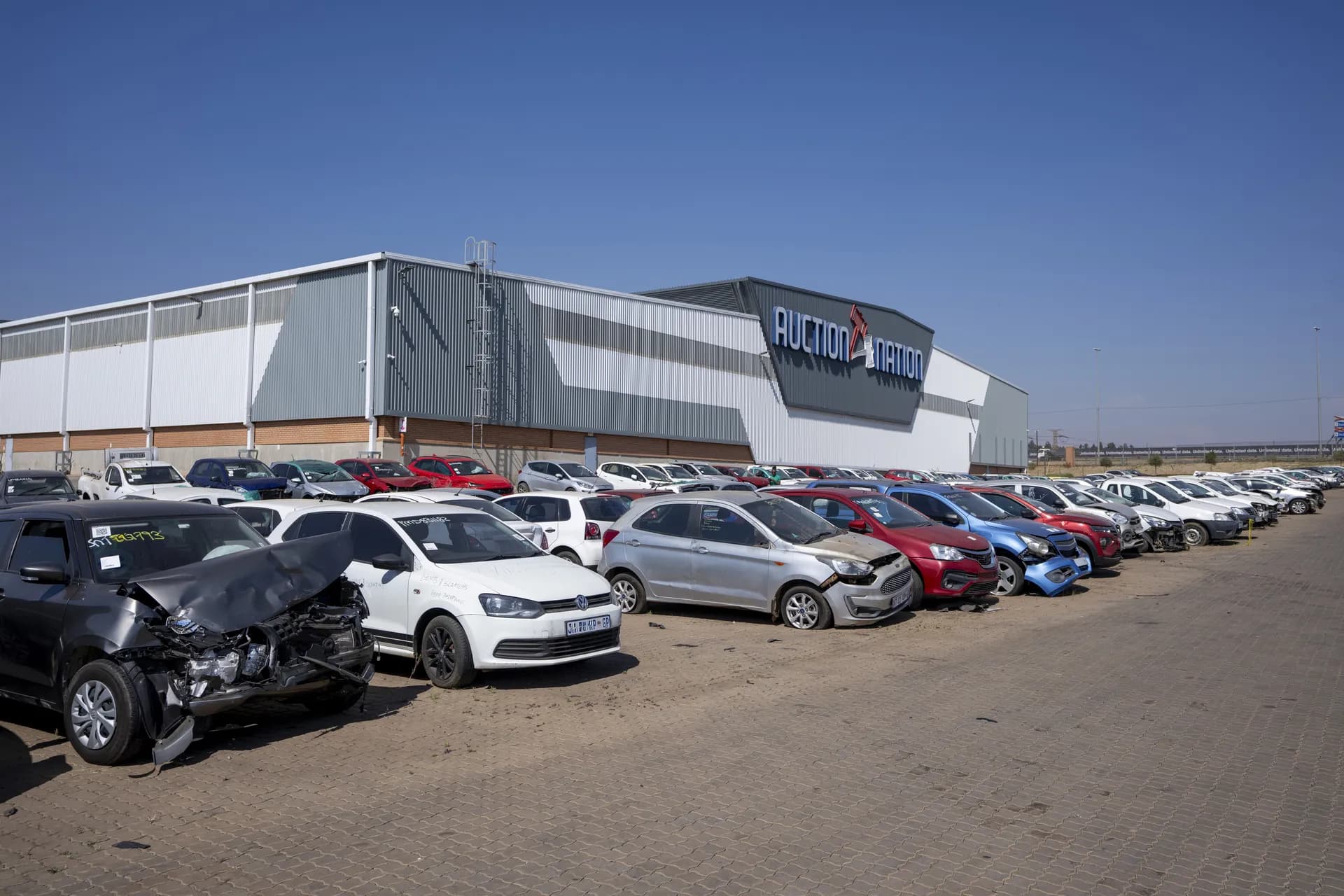
Understanding Scrap Vehicle Deregistration and Why It Matters
When your car is beyond repair or uneconomical to fix-whether from accident, extensive mechanical faults or old age-scrapping and deregistration aren't just formalities. In South Africa, the correct deregistration of a scrap vehicle is an environmental and legal necessity, ensuring your car doesn't end up improperly dumped, polluting land and water or continuing to rack up traffic fines in your name.
Why Environmental Compliance Is Essential
Scrap vehicles hold toxic fluids, plastics, batteries, and metals. Inappropriate disposal or storage can cause soil and water contamination. National legislation and local by-laws require proper handling through deregistration and salvage. This enables responsible recycling or breaking of the vehicle according to environmental standards.
- Ensures hazardous materials are disposed of correctly
- Prevents vehicles from being illegally revived or dumped
- Helps the Department of Transport track deregistered assets
Repair vs. Deregister: How to Decide
| Scenario | Repair Cost Estimate (R) | Market Value Retained |
|---|---|---|
| Minor Damage | 7,000-15,000 | 60-80% |
| Major Mechanical Failure | 25,000-70,000 | 20-40% |
| Written-Off or Salvage | Exceeds Asset Value | 0-10% |
If repairs approach or exceed the vehicle's remaining value (as above), choosing to deregister and scrap is efficient for both your finances and environmental compliance. In these cases, it's best to use a specialist car-buying service that supports end-of-life processes, like Sell Your Damaged Car.
Legal Requirements for Deregistering Scrap Cars
According to the National Road Traffic Act, South African car owners must deregister any vehicle that is permanently unfit for use. This applies whether your vehicle is irreparably damaged, fire-affected, or just too old to keep running.
- Submit a deregistration notice at your local licensing department
- Provide proof of identity, vehicle registration documents, and supporting evidence (e.g., accident report or assessment)
- Pay any outstanding licensing fees and request confirmation for your records
How the Scrap Vehicle Deregistration Process Works
- Gather vehicle documents (registration certificate/license, owner ID)
- Obtain assessment or declaration confirming your vehicle is permanently unfit for use
- Visit or contact your provincial licensing department to complete the deregistration notice (Form NCO or equivalent)
- Settle any outstanding licensing or penalty fees
- Receive confirmation of deregistration and keep it for your records
Many vehicle salvage companies, including Sell Your Damaged Car, handle this process for you, including deregistration from the National Traffic Information System (NaTIS) and retrieval of proof.
Paperwork and Compliance Tips
- Ensure all forms are filled accurately to prevent future liability
- Request written confirmation from the licensing office upon completion
- If your car was financed or still under agreement, notify the finance house ahead of deregistration
- For business fleets, keep a log of all deregistered units for tax and compliance audits
How Scrap Vehicle Recycling Supports Environmental Goals
| Material/Part | Environmental Benefit |
|---|---|
| Batteries | Reduces lead leakage, recovers reusable metals |
| Tyres & Plastics | Prevents toxic fires, repurposes materials for roads or products |
| Fluids (oil, coolant, fuels) | Avoids spillage into soil/water, enables safe processing |
| Body Metals | Limits mining demand and landfills, enables recycling |
Following through with deregistration enables the responsible salvage of these parts. South African businesses and individuals both play a crucial role in reducing illegal dumping and pollution.
What Happens After Your Vehicle Is Deregistered?
- You're no longer liable for fines, traffic offences, license renewals, or e-tolls
- The vehicle may legally be recycled, broken for parts, or processed according to environmental laws
- National databases are updated, reducing the risk of identity or registration misuse
Sources
Seasoned automotive specialists dedicated to helping you turn your damaged or non-running vehicle into cash fast and hassle-free.
Disclaimer: This content is for educational purposes only. Product availability, pricing, and specifications are subject to change. Always verify current details on the retailer's website before making a purchase. We may earn affiliate commissions from qualifying purchases.
Why sell your damaged car to us?

A Division of Auction Nation, the leading expert in selling damaged cars

Best price for your damaged car

Get a cash offer within 24h

We buy damaged cars in any condition

We buy accident- damaged cars still under finance

Free, no obligation offer on your vehicle
How We Calculate Your Damaged Car’s Value
Wondering how we calculate your car’s value? At Sell Your Damaged Car, we look at: Your car’s real condition, its salvage value, and the current market demand. It’s all about honesty, transparency, and fairness — that’s how we determine your offer.
Frequently Asked Questions
Get answers to common questions about Legal And Paperwork
Why Choose Sell Your Damaged Car?
Free Towing
Need a tow? We got you
Hassle Free
Get a cash offer within 24h!
Nationwide
Somewhere remote? No problem!
