
Salvage Vehicle Pricing in South Africa: What Affects Cash Offers
Learn how salvage vehicles are priced in South Africa, key factors that affect offers, sample valuation ranges in R, and tips to maximise your cash offer.
Overview: What 'salvage value' means in South Africa
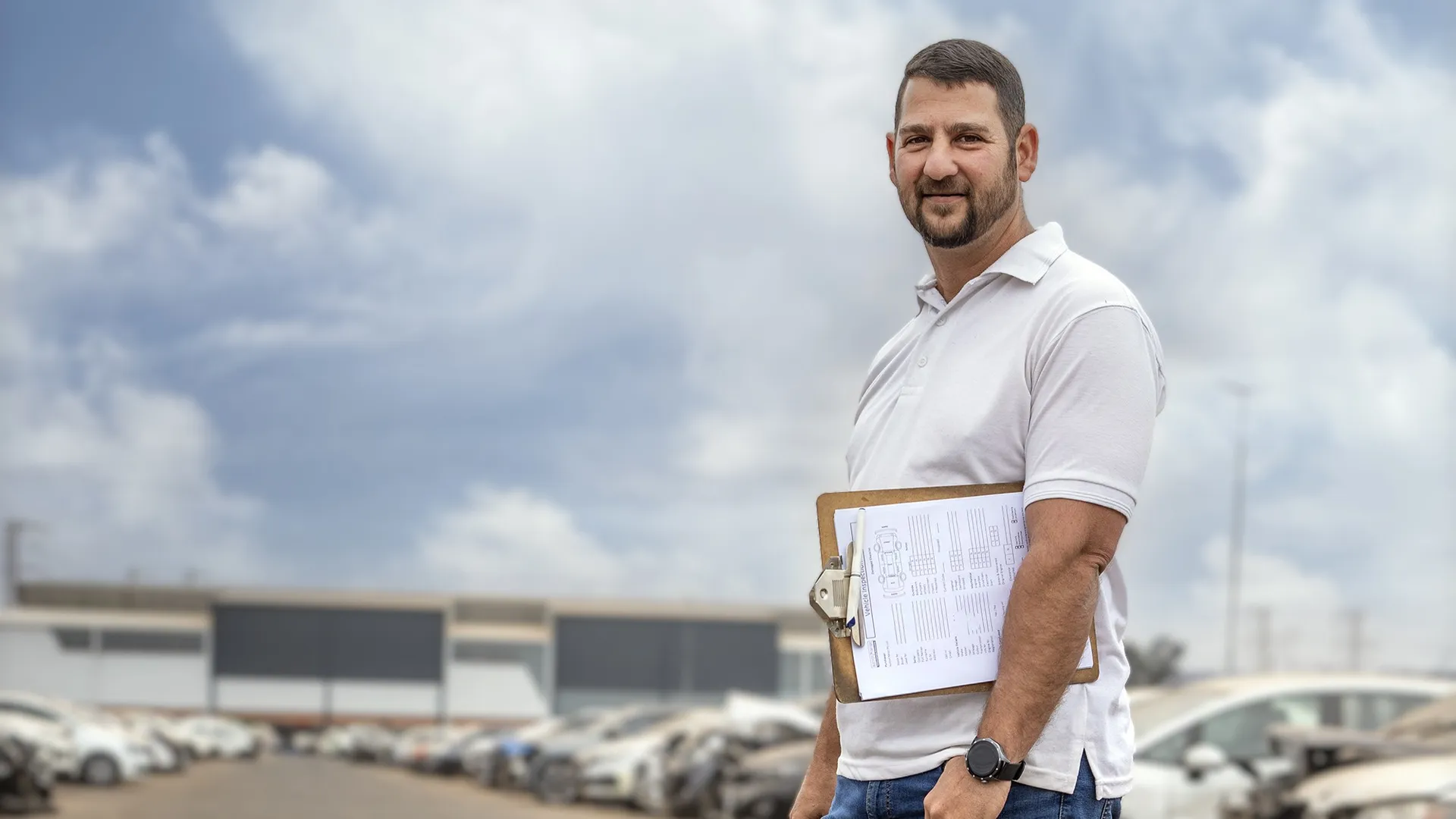
Salvage value is the cash a buyer will pay for a vehicle that is damaged, written off, non-running or otherwise unsuitable for normal sale. In South Africa the salvage market includes panel-beaters, breakers, insurance assessors, export buyers and specialist car-buying services. Offers reflect repair cost estimates, demand for parts, vehicle age, condition and regional logistics. Sell Your Damaged Car purchases salvage vehicles nationwide, handles paperwork and towing, and provides immediate offers based on these factors.
Key price drivers
- Make, model and year - popular models and parts demand raise bids.
- Extent and type of damage - mechanical or structural damage reduces value more than cosmetic defects.
- Mileage and service history - lower mileage and a verifiable history increase offers.
- Market demand for specific parts - high-demand components (engines, ECUs, airbags) add value.
- Location and towing logistics - collection from major metros (Johannesburg, Cape Town, Durban) often reduces transport deductions.
Typical valuation approach
Buyers usually start with the vehicle's clean market value (what an undamaged example would fetch) and subtract estimated repair costs, dismantling costs and resale margin. For written-off vehicles that cannot be economically repaired, the offer may instead be based on expected parts resale or scrap metal value. Offers from reputable purchasers are transparent about the main deductions.
Repair cost vs value retained (example table)
| Repair estimate (R) | Typical retained value (%) | How buyers price it |
|---|---|---|
| R0 - R10,000 | 70% - 90% | Minor cosmetic work; high resale likelihood. |
| R10,000 - R40,000 | 30% - 70% | Moderate mechanical or panel damage; parts and labour weighed. |
| R40,000+ | 0% - 30% | Major structural/mechanical damage; valued mainly for parts or scrap. |
Note: Table figures are illustrative estimates for South Africa and will vary by vehicle, region and current parts demand. Values shown in R are examples, not offers.
Damage types vs typical offer impact
| Damage type | Typical impact on offer | Why |
|---|---|---|
| Cosmetic (panels, bumpers) | Low to moderate | Parts inexpensive; repair straightforward. |
| Mechanical (engine, gearbox) | Moderate to high | Major cost to repair or buyer values as parts donor. |
| Structural/chassis | High | Repair often uneconomic; buyers price for parts/scrap. |
| Flood or fire | High to very high | Electrical damage and corrosion reduce parts value significantly. |
When to sell as salvage vs attempt repair
Deciding whether to repair or sell depends on repair cost relative to current market value, the vehicle's age, and your personal circumstances. For many South African owners the tipping point is when repair estimates approach or exceed 50% of the car's clean market value, or when the vehicle is non-running and ongoing storage or transport costs become a burden. Fleet owners should also consider downtime costs and administrative effort.
How the valuation process works with Sell Your Damaged Car
- Submit vehicle details and photos via the online form on our site.
- We assess make, model, year, damage description, mileage and location to produce an immediate indicative offer.
- If you accept, we handle paperwork (including deregistration where applicable), arrange free nationwide towing and complete payment after collection.
Practical tips to improve offers
- Provide clear photos from multiple angles and close-ups of damaged areas and VIN plates.
- Share service history and recent receipts - a documented history can increase trust and the offer.
- Be honest about prior repairs and flood/fire exposure - undisclosed issues can reduce final payments after inspection.
- Choose collection from a major metro when possible to reduce transport-related deductions.
Legal and paperwork notes for South Africa
When selling a salvage vehicle, sellers must provide valid ownership documentation and sign the necessary transfer or export forms. Vehicles under finance require the lender's clearance; we can work with your finance provider to manage settlement instructions. Deregistration or transfer processes differ if the vehicle is written off by an insurer; we assist with the correct paperwork and provide receipts for your records.
Example South Africa scenarios (experience-based)
- A 2012 medium SUV with front-end damage and a repair estimate of R35,000 - buyers may offer enough to cover part-value and towing, typically a fraction of the clean market value depending on parts demand.
- A 2008 popular hatch with cosmetic damage only - higher retained value due to inexpensive repairs and strong spare-parts demand.
- A flood-affected luxury vehicle - offers often reflect heavy deductions for electrical and corrosion risk; many buyers avoid full repairs.
What happens after collection
After you accept an offer and we collect the vehicle using our free nationwide towing service, we complete transfer paperwork or deregistration, and arrange payment. Payment timing is communicated up front and verified for your peace of mind. We aim for straightforward, transparent settlement so sellers know exactly how the final figure was determined.
Further resources and next steps
For a quick valuation, use our online upload form to get an obligation-free indication. If you have a non-running vehicle see our Sell Non-Running Car page for specific guidance, and for other damaged vehicles visit Sell Damaged Cars. If you're checking buyer credibility, review guidance on How to Avoid Being Scammed when selling salvage vehicles online.
Sources
- South African Department of Transport - official guidance and regulations
- South African Government services portal - vehicle registration and transfer process
- Sell Your Damaged Car - Sell Damaged Cars page
- Sell Your Damaged Car - Sell Non-Running Car page
- Automotive Aftermarket Companies Association (industry context on parts demand)
Seasoned automotive specialists dedicated to helping you turn your damaged or non-running vehicle into cash fast and hassle-free.
Disclaimer: This content is for educational purposes only. Product availability, pricing, and specifications are subject to change. Always verify current details on the retailer's website before making a purchase. We may earn affiliate commissions from qualifying purchases.
Why sell your damaged car to us?

A Division of Auction Nation, the leading expert in selling damaged cars

Best price for your damaged car

Get a cash offer within 24h

We buy damaged cars in any condition

We buy accident- damaged cars still under finance

Free, no obligation offer on your vehicle
How We Calculate Your Damaged Car’s Value
Wondering how we calculate your car’s value? At Sell Your Damaged Car, we look at: Your car’s real condition, its salvage value, and the current market demand. It’s all about honesty, transparency, and fairness — that’s how we determine your offer.
Frequently Asked Questions
Get answers to common questions about Comparison And Alternatives
Why Choose Sell Your Damaged Car?
Free Towing
Need a tow? We got you
Hassle Free
Get a cash offer within 24h!
Nationwide
Somewhere remote? No problem!
