
Salvage Fleet Vehicle Disposal Tips - South Africa Guide
Practical tips for South African fleet managers on disposing salvage vehicles: valuation, paperwork, logistics, and maximising recovery across Johannesburg, Cape Town and Durban.
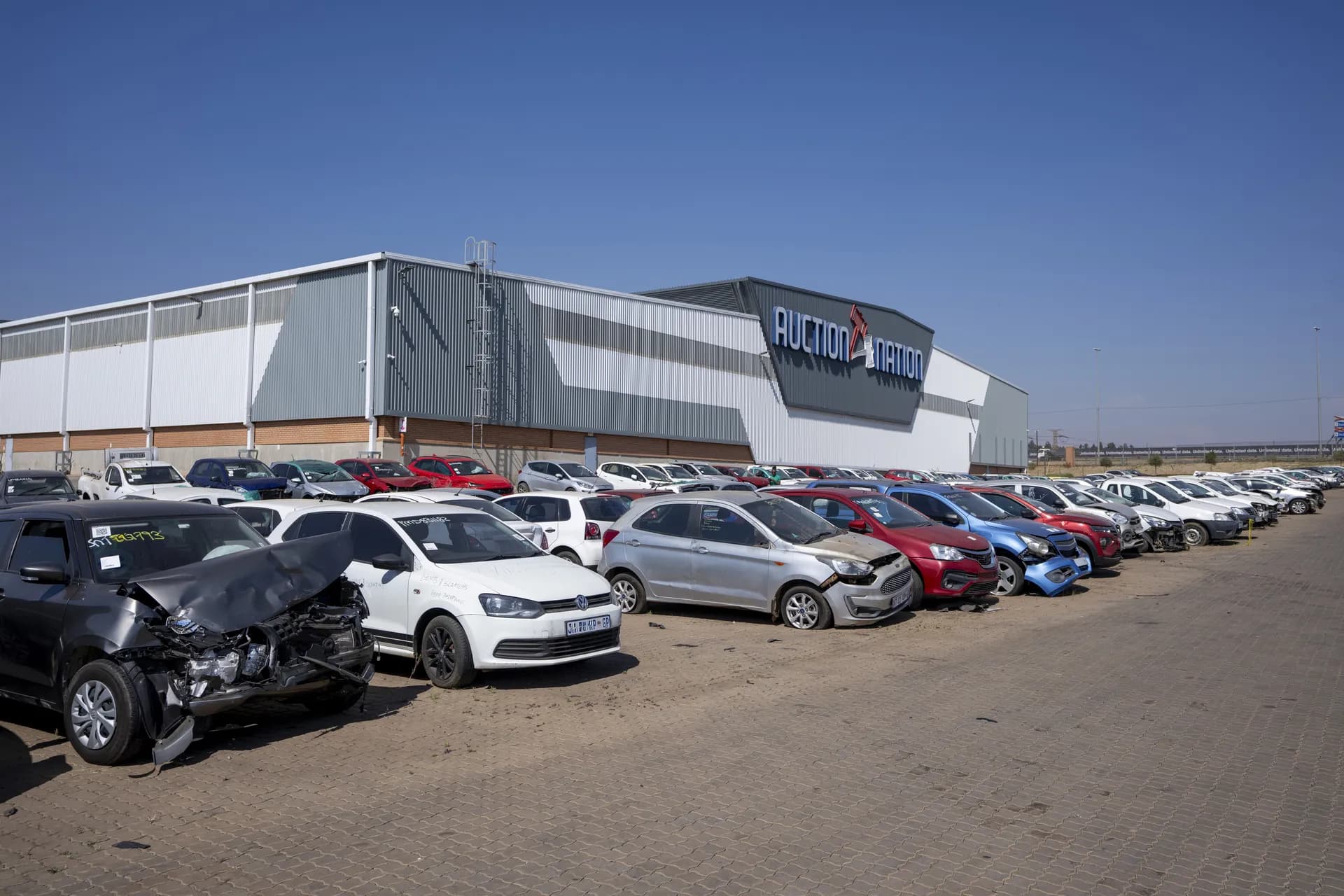
Overview: Managing Salvage Fleet Vehicle Disposal in South Africa
Disposing of salvage fleet vehicles requires a blend of operational efficiency, legal compliance and commercial awareness. Fleet managers in South Africa face choices between repair, auction, parts salvage or outright sale to cash buyers. This guide outlines practical tips to maximise recovery, reduce downtime, and remain compliant with registration and finance obligations when handling salvage and written-off fleet units.
When to repair, sell or scrap
Deciding whether to repair or dispose of a salvage fleet vehicle depends on repair cost relative to residual value, vehicle role in the fleet, lead time for return-to-service and insurance outcomes. For older, heavily damaged or specialised vehicles where repair lead time disrupts operations, disposal is often the most cost-effective option.
Key considerations for fleet managers
- Total cost of repair (parts, labour, downtime) versus expected resale or salvage value.
- Legal status: write-off classification, outstanding finance, and transfer/deregistration obligations in South Africa.
- Logistics and timing: how quickly the unit must be removed from fleet and whether on-site collection is required.
- Data and asset recovery: removal of company devices, fleet tags and secure disposal of paperwork.
Repair cost vs value retained
| Scenario | Typical outcome | Action |
|---|---|---|
| Minor damage, high-value vehicle | Repair often economical; limited downtime | Repair and return to service |
| Major structural or flood damage | Low resale value; high repair cost | Consider disposal to damaged-fleet-disposal-de-fleeting-service-south-africa |
| Older vehicles with high mileage | Repair ROI often poor | Sell for parts or scrap-fleet-vehicle-disposal-solutions-south-africa |
South Africa note: When a vehicle is declared a write-off by insurers local salvage demand (parts, panel, engines) and regional transport costs affect net recovery. Free towing options from reputable buyers reduce logistical expense and speed asset disposal.
Damage types vs typical offer impact
| Damage Type | Typical effect on offers |
|---|---|
| Cosmetic panel damage | Moderate reduction; parts resale possible |
| Structural/frame damage | Significant reduction; often classed as advantages-of-selling-salvage-fleet-vehicles |
| Engine or drivetrain failure | Depends on component condition; parts may hold value |
| Flood or fire damage | Major reduction; specialised salvage market |
How the disposal process should work for fleets
A streamlined disposal process reduces administrative burden and frees up working capital. Typical professional buyers follow clear steps: online valuation or inspection, transparent offer, paperwork handling (including deregistration or transfer and settlement of finance where applicable), free collection and payment. Using a specialist that accepts any condition removes the need to coordinate separate auctions, tow providers and salvage yards.
Practical tips to maximise recovery
- Document condition: photos of damage, VIN, odometer and service history speed valuation.
- Separate reusable assets: remove fleet trackers, company radios and proprietary equipment before collection.
- Check finance: disclose outstanding finance to prospective buyers and coordinate settlement to avoid title issues.
- Compare multiple options: direct sale to specialist buyers, salvage auctions or selling for parts - weigh net proceeds after fees and transport.
- Negotiate collection terms: free nationwide towing or on-site collection reduces disposal overheads, especially for regional depots.
Legal & paperwork checklist (South Africa)
- Confirm deregistration or transfer requirements with the buyer and ensure SARPA-compliant documentation where needed.
- If under finance, obtain payout figures from the finance house and agree who settles the account at sale.
- Retain copies of all sale documents, proof of collection, and payment verification for your fleet records and VAT/accounting purposes.
What happens after collection
After acceptance and collection, buyers typically inspect again, finalise paperwork and release payment. For fleets, coordinate asset write-offs in accounting systems, close insurance claims where applicable and update vehicle registers. Payment timelines vary; confirm expected clearance or verification times before collection.
Examples and operational scenarios
Example 1 - Regional depot with five non-running light commercials: Consolidate vehicles and arrange a single collection to reduce per-vehicle transport cost. Provide clear vehicle lists and photos to speed offers.
Example 2 - Single heavy-duty truck with structural damage in Durban: Specialist buyers may factor high scrap and transport costs; prioritise local collection and get a written offer that specifies who handles deregistration and any salvage paperwork.
Avoiding common pitfalls
- Don't omit finance details - unresolved finance can delay transfer and reduce net proceeds.
- Do not leave company property (documents, devices) in vehicles at collection; that can cause data security issues.
- Beware of low-transparent auction fees; always request an itemised breakdown of expected net return.
Sources
- Road Traffic Management Corporation / RTMC - South Africa
- South African Revenue Service (SARS) - Vehicle taxation guidance
- eNaTIS / National Traffic Information System
- Sell Non-Running Car - Sell Your Damaged Car
- Sell Damaged Cars - Sell Your Damaged Car
- How to Avoid Being Scammed - Practical checks
Seasoned automotive specialists dedicated to helping you turn your damaged or non-running vehicle into cash fast and hassle-free.
Disclaimer: This content is for educational purposes only. Product availability, pricing, and specifications are subject to change. Always verify current details on the retailer's website before making a purchase. We may earn affiliate commissions from qualifying purchases.
Why sell your damaged car to us?

A Division of Auction Nation, the leading expert in selling damaged cars

Best price for your damaged car

Get a cash offer within 24h

We buy damaged cars in any condition

We buy accident- damaged cars still under finance

Free, no obligation offer on your vehicle
How We Calculate Your Damaged Car’s Value
Wondering how we calculate your car’s value? At Sell Your Damaged Car, we look at: Your car’s real condition, its salvage value, and the current market demand. It’s all about honesty, transparency, and fairness — that’s how we determine your offer.
Frequently Asked Questions
Get answers to common questions about Tips And Advice
Why Choose Sell Your Damaged Car?
Free Towing
Need a tow? We got you
Hassle Free
Get a cash offer within 24h!
Nationwide
Somewhere remote? No problem!
