
Corporate Vehicle Salvage Sale in South Africa - A Practical Guide
Practical guidance for corporate fleets selling salvage or written-off vehicles in South Africa. Learn valuation, legal steps, paperwork and tips to streamline fleet disposals.
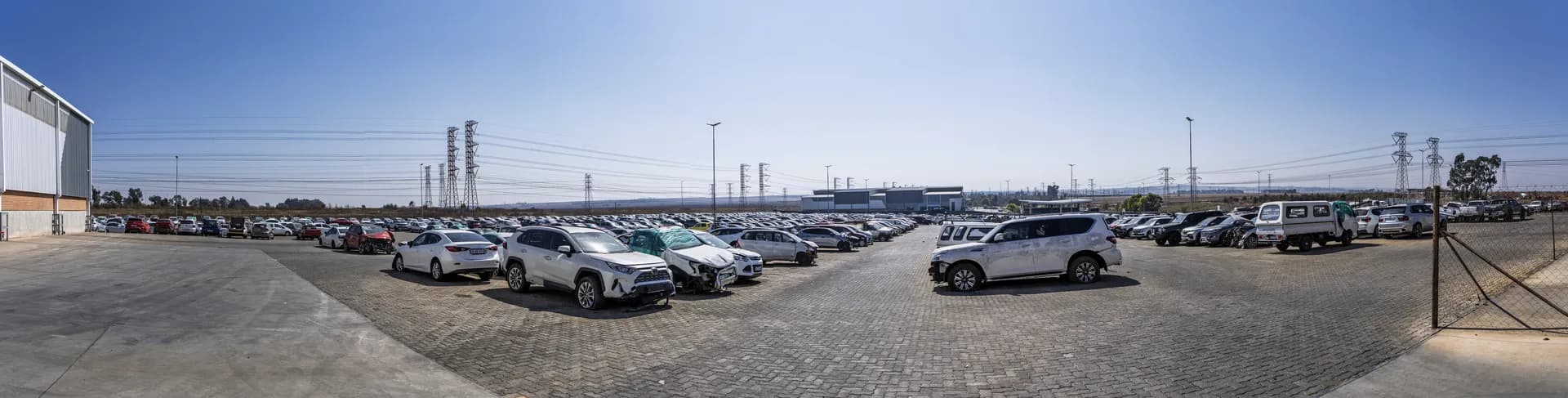
Overview: Corporate Vehicle Salvage Sale in South Africa
Corporate vehicle salvage sale in South Africa requires a clear process, accurate valuation and attention to legal requirements. Whether you manage a small fleet in Cape Town or a national corporate fleet operating between Johannesburg and Durban, selling written-off, accident-damaged or non-running vehicles can recover cash, reduce storage costs and simplify asset management. This guide explains when to sell vs repair, how a professional buyer (like Sell Your Damaged Car) typically evaluates corporate salvage, and practical steps for smooth, compliant disposal.
When to sell a corporate salvage vehicle vs repair
Fleet managers should compare repair cost, downtime and residual value. Large fleets have additional considerations: replacement logistics, impact on service levels, and tax/insurance consequences. If repair cost plus downtime exceeds expected retained value or if a vehicle is declared an insurer write-off, selling as salvage is often the faster, more economical option.
| Scenario | Repair cost (estimate) | When to sell |
|---|---|---|
| Major structural damage / written-off | R50,000+ | Sell if insurer declares write-off or repair exceeds 50% of market value |
| Mechanical failure (non-running) | R10,000-R40,000 | Sell when downtime and repair admin cost more than value retained |
| Flood or fire damage | Varies widely | Sell due to unpredictability of full restoration and compliance risks |
Key corporate considerations
- Documented chain of custody and clear vehicle history reduce disputes during sale.
- Centralised record-keeping for VAT, insurance recoveries and tax write-offs simplifies audits.
- Large-volume disposals can be scheduled to limit service disruption and reduce towing costs.
Practical note: For nationwide fleets, use a buyer that offers free towing across South Africa, handles paperwork and can collect from depots in Johannesburg, Cape Town, Durban and surrounding areas.
Damage types and typical offer impact
Not all damage affects corporate salvage value equally. Below is a concise comparison to help set expectations when preparing for a corporate vehicle salvage sale in South Africa.
| Damage Type | Typical Offer Impact |
|---|---|
| Structural/Frame Damage | High negative impact - often sold as written-off salvage |
| Engine/Transmission Failure | Moderate to high impact depending on repairability |
| Cosmetic/Minor Body Damage | Lower impact - higher salvage interest for respray or parts |
| Flood / Fire | Severe impact - cautious offers due to hidden faults |
Valuation tips for corporate fleets
- Provide accurate odometer readings, service history and accident reports to improve offer transparency.
- Supply clear photos showing VIN, odometer, engine bay and damage areas.
- Group vehicles by condition to streamline offers for multiple units.
How the corporate vehicle salvage sale process works
A standard streamlined process for corporate salvage sale in South Africa involves online submission, valuation, acceptance, paperwork and collection. Sell Your Damaged Car follows an efficient flow suitable for single vehicles and fleet disposals nationwide.
Step-by-step process
- Upload vehicle details and photos via the online form (bulk upload options help for fleets).
- Receive a transparent, obligation-free valuation based on condition, market demand and salvage value.
- Accept the offer and arrange a collection date - free towing is typically included for South African locations.
- Complete transfer paperwork: the buyer handles deregistration, receipts and other admin where applicable.
- Vehicle is collected and payment is released and verified promptly.
Legal and paperwork in South Africa for corporate sales
Corporate disposals must meet South African legal requirements. Key points include transferring ownership, handling deregistration with the licensing authority, and ensuring any finance encumbrances are cleared or noted. If vehicles are under finance, coordinate with the financier to obtain written settlement figures or release letters before sale.
- Keep copies of company board resolutions or delegated authority for signatories when disposing of company assets.
- Retain sale receipts, deregistration documents and proof of payment for audit purposes.
- Disclose known damage and history to avoid post-sale disputes; transparent disclosure protects both parties.
Tips to maximise corporate salvage returns
- Batch similar-condition vehicles together to attract streamlined offers.
- Provide full service logs and fleet maintenance records - documented history increases buyer confidence.
- Remove valuables and confidential data from in-vehicle systems before collection.
- Consider selling parts separately for high-demand models if storage and logistics allow.
What happens after collection
After the vehicle is collected, the buyer typically finalises paperwork, confirms deregistration and releases payment to the corporate account. For fleets, arrange consolidated invoices and receipts. If the vehicle was financed, confirm that the financier has been paid and that any credit holds have been removed. Keep all documentation for tax, VAT and audit records.
Practical examples (South Africa scenarios)
Example 1: A Cape Town courier company with five collision-damaged vans groups them in a single submission. The buyer provides individual offers and a bulk-collection schedule with free towing from the depot.
Example 2: A Johannesburg-based corporate fleet manager has a flood-damaged sedan listed as a write-off by insurance. The fleet sells the vehicle as salvage, the buyer handles deregistration and the sale proceeds are applied to fleet replacement costs.
Sources
- South African legal resources and vehicle registration guidance
- Road Traffic Management and deregistration processes (provincial licensing)
- Industry guidance for asset disposal and corporate accounting (frameworks)
- Sell Damaged Cars - Sell Your Damaged Car service details
- Sell Non-Running Car - Sell Your Damaged Car process
Seasoned automotive specialists dedicated to helping you turn your damaged or non-running vehicle into cash fast and hassle-free.
Disclaimer: This content is for educational purposes only. Product availability, pricing, and specifications are subject to change. Always verify current details on the retailer's website before making a purchase. We may earn affiliate commissions from qualifying purchases.
Why sell your damaged car to us?

A Division of Auction Nation, the leading expert in selling damaged cars

Best price for your damaged car

Get a cash offer within 24h

We buy damaged cars in any condition

We buy accident- damaged cars still under finance

Free, no obligation offer on your vehicle
How We Calculate Your Damaged Car’s Value
Wondering how we calculate your car’s value? At Sell Your Damaged Car, we look at: Your car’s real condition, its salvage value, and the current market demand. It’s all about honesty, transparency, and fairness — that’s how we determine your offer.
Frequently Asked Questions
Get answers to common questions about Vehicle Types
Why Choose Sell Your Damaged Car?
Free Towing
Need a tow? We got you
Hassle Free
Get a cash offer within 24h!
Nationwide
Somewhere remote? No problem!
