
How to Maximise a Salvage Fleet Vehicle Sale in South Africa
Fleet owners: learn South Africa-specific strategies to increase cash returns on salvage or written-off vehicles, with documentation, grouping and legal tips.
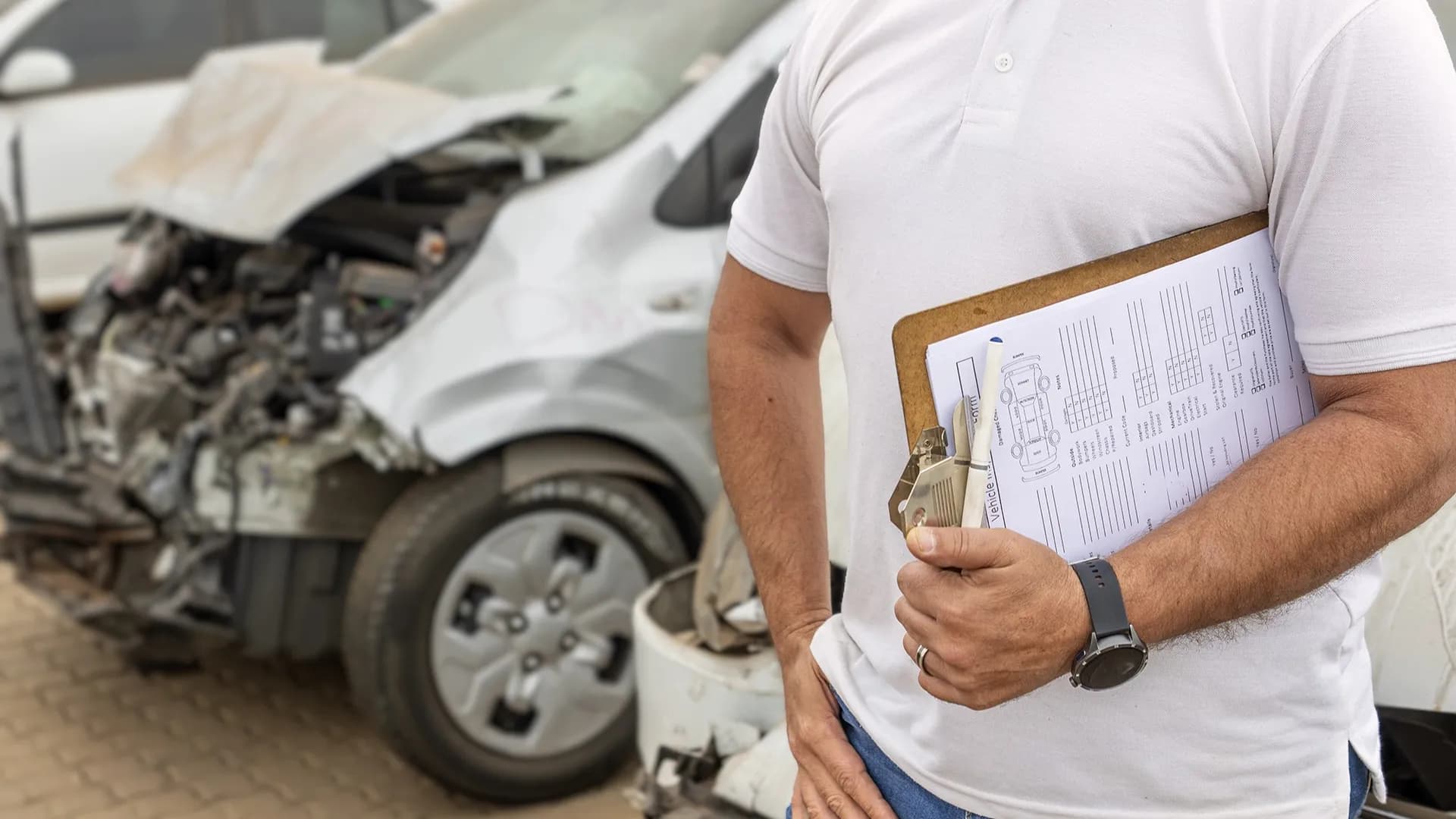
Overview: Why optimise salvage fleet sales?
Fleet managers and owners in South Africa often face difficult choices when vehicles are written off, flood- or fire-damaged, or suffer major mechanical failure. Selling salvage fleet vehicles strategically can recover useful cash, reduce storage and holding costs, and simplify fleet renewal. This guide explains how to prepare vehicles, document condition, choose the right buyer channels and set realistic expectations based on local markets such as Johannesburg, Cape Town and Durban.
When to sell vs repair for fleet vehicles
Deciding between repair and sale depends on repair cost, downtime, residual market value, and operational priorities. For older units or cars with severe structural or flood damage, repair costs often exceed commercial sense. Selling as salvage or to a specialist buyer can be faster and more cost-effective.
- Consider sale when repair estimate > 60% of vehicle's pre-accident value (estimate).
- Sell if expected downtime disrupts operations or replacement is necessary for compliance.
- Account for storage, towing and administration costs in your decision.
Repair cost vs value retained
| Scenario | Typical repair estimate (R) | Likely value retained after repair |
|---|---|---|
| Minor accident (cosmetic) | R5,000 - R25,000 | High (70-85% of market) |
| Major structural or flood | R30,000 - R150,000+ | Low (30-55% of market) |
| Non-running mechanical failure | R15,000 - R80,000 | Medium (40-70% of market) |
These figures are indicative for South Africa and will vary by make, model, year and the local salvage demand. For fleets, aggregate values matter: selling multiple units together can attract specialist buyers or breakers willing to pay more for volume. Consider bulk purchasing options when disposing of multiple units.
Damage types vs typical offer impact
| Damage type | Common impact on offers |
|---|---|
| Structural/frame damage | Significant reduction; buyers price for parts or scrap. |
| Engine or gearbox failure | Moderate reduction; recoverable value if core components intact. |
| Flood or water damage | Often large reduction; risk of hidden faults lowers offers. |
| Cosmetic damage | Minor impact; good presentation helps maintain value. |
Tip: For fleet sales, grouping vehicles by damage type and age improves buyer interest. Buyers from Cape Town, Durban or Johannesburg often specialise-matching units to their demand increases competitive offers. For fleets with many non-running units, consider how to sell non-running fleet vehicles fast services to expedite disposal.
How the process works for fleet salvage sales
A clear, documented process reduces delays and maximises returns. Below is an optimised workflow many South African fleet managers use when selling salvage vehicles.
Optimised workflow
- Inventory and triage: Log VIN, year, mileage, damage summary and photos for each unit.
- Get repair estimates and market checks: Obtain quick workshop quotes and check salvage demand for the model.
- Choose sales route: bulk sale to a salvage buyer, sell individually to breakers/rebuilders, or use an online specialist buyer.
- Prepare paperwork: Assemble registration, service history, insurance settlement documents and any finance closure details.
- Arrange logistics: Coordinate free or contracted towing, note collection windows in major centres (Johannesburg, Cape Town, Durban) and remote areas.
Legal & paperwork considerations in South Africa
Ensure you handle finance settlements and transfer of ownership correctly. Vehicles under finance require lender consent or settlement before transfer. Keep signed transfer documents and proof of payment. Specialist buyers often assist with deregistration; factor this into the agreement.
- Check finance status: Confirm outstanding balances and obtain a settlement figure from the finance provider.
- Deregistration: Buyers can assist but record who is responsible and how costs are handled.
- Documentation: Keep copies of ID, registration papers, keys, service records and the written sale agreement.
Tips to maximise your offer
Small investments and clear presentation often yield disproportionately better offers:
- Photograph clearly: Multiple high-resolution images showing VIN, odometer, engine bay, and all damage angles. Buyers in SA rely heavily on photos for remote valuations.
- Group similar vehicles: Offer batches by model/year to attract breakers or export buyers willing to pay a premium for volume.
- Document history: Provide maintenance logs and service invoices; a documented vehicle often fetches a better price.
- Be transparent about damage: Do not obscure flood or structural issues-transparency builds trust and avoids renegotiation.
- Negotiate logistics: Offer convenient collection windows in major centres to reduce buyer costs and increase competition.
What happens after collection
After a sale is agreed and vehicles are collected, confirm receipt, payment terms and deregistration responsibilities in writing. For fleets, reconcile the sale proceeds against the asset register and insurance settlements. If vehicles were insured, coordinate with the insurer to finalise claims and handle any salvage agreements.
Example scenario: A Durban-based small delivery fleet sells five flood-damaged vans as a single lot. By grouping vehicles, documenting damage clearly and offering a mid-week collection in Durban, the fleet owner secures multiple bids and a competitive cash offer that offsets storage costs and accelerates fleet renewal.
Practical checklist for fleet managers
- Compile VIN list and photos for each vehicle.
- Obtain quick repair and market valuation estimates.
- Decide sale method: bulk vs individual.
- Confirm finance and legal status for each unit.
- Set realistic reserve expectations and document sale terms.
Sources
Seasoned automotive specialists dedicated to helping you turn your damaged or non-running vehicle into cash fast and hassle-free.
Disclaimer: This content is for educational purposes only. Product availability, pricing, and specifications are subject to change. Always verify current details on the retailer's website before making a purchase. We may earn affiliate commissions from qualifying purchases.
Why sell your damaged car to us?

A Division of Auction Nation, the leading expert in selling damaged cars

Best price for your damaged car

Get a cash offer within 24h

We buy damaged cars in any condition

We buy accident- damaged cars still under finance

Free, no obligation offer on your vehicle
How We Calculate Your Damaged Car’s Value
Wondering how we calculate your car’s value? At Sell Your Damaged Car, we look at: Your car’s real condition, its salvage value, and the current market demand. It’s all about honesty, transparency, and fairness — that’s how we determine your offer.
Frequently Asked Questions
Get answers to common questions about Selling Guides
Why Choose Sell Your Damaged Car?
Free Towing
Need a tow? We got you
Hassle Free
Get a cash offer within 24h!
Nationwide
Somewhere remote? No problem!
