
Recovering Car Value After a Disaster in South Africa: What Owners Need to Know
Discover how to recover your car's value after a disaster in South Africa: repair, insurance, selling options, paperwork tips, and legal steps for damaged vehicles.
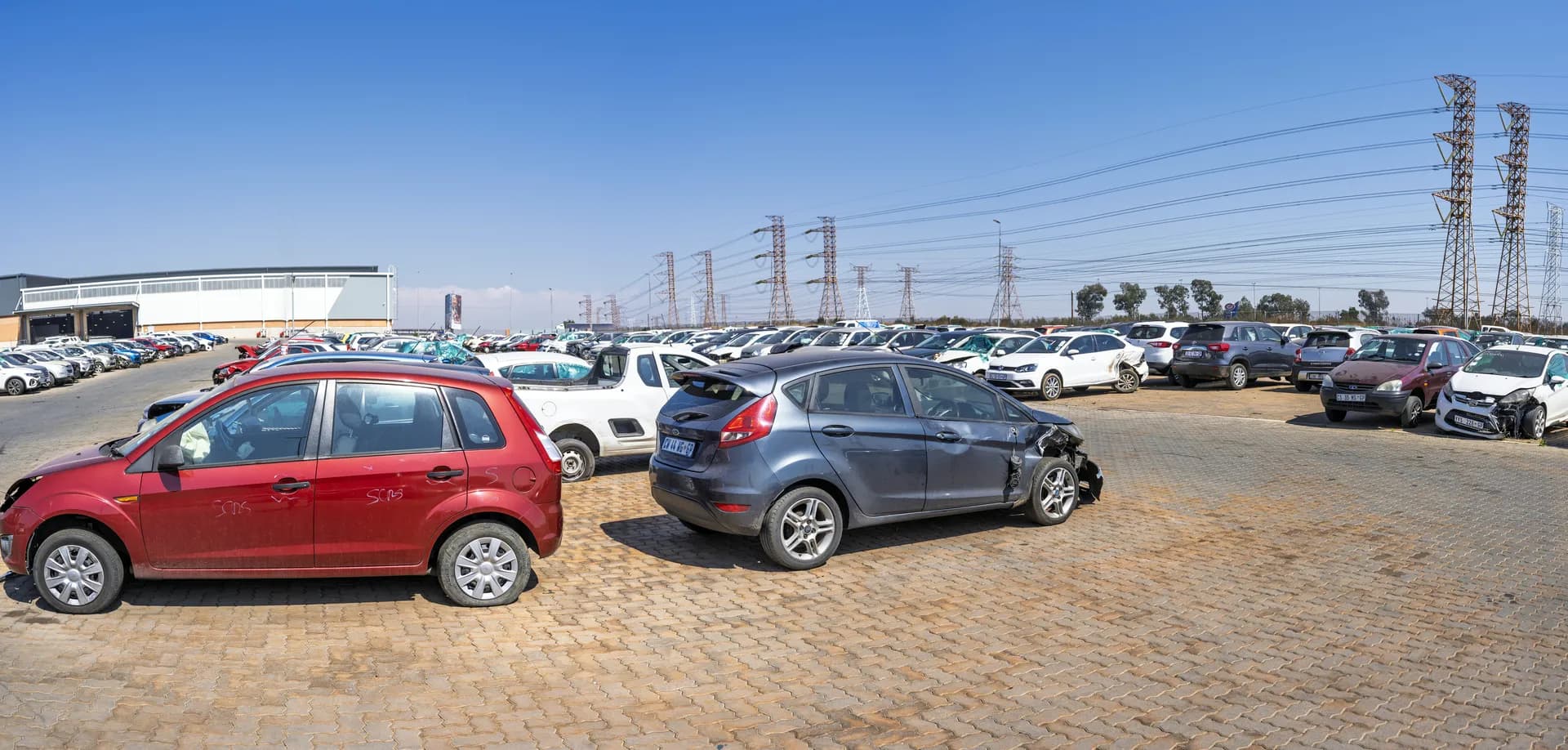
Overview: Car Value Recovery After Disaster in South Africa
Natural disasters such as floods, hailstorms, and fires are becoming increasingly common in many regions of South Africa, from Durban's coastal areas to the Highveld's storm-prone provinces. When disaster strikes, affected vehicle owners face tough choices: Should you repair, claim from insurance, or consider selling your damaged or non-running car? This article breaks down your recovery options, the practical steps for maximising your vehicle's remaining value, and the South African legal framework for disaster-damaged cars.
Types of Disaster Damage and Typical Impact on Value
| Disaster Type | Common Damage | Offer Impact |
|---|---|---|
| Flooding | Engine, electrics, interiors | Significantly lowers value; often considered a write-off |
| Hailstorm | Body dents, broken glass | Varies by extent; repairable damage has modest impact |
| Fire | Wiring, paint, structural issues | Severely reduces value, especially if structure compromised |
The severity and type of disaster damage directly affects whether it makes sense to repair, claim, or sell your car. In most South African insurance scenarios, flood and fire damage often result in a vehicle being deemed uneconomical to repair or a total loss ('write-off'), while hail damage is sometimes repairable if structural integrity is retained.
When to Repair vs When to Sell After Disaster Damage
The decision to repair or sell your disaster-damaged car is both financial and practical. Factors to consider include the actual cost of repairs, the current market value post-repair, insurance settlement terms, and the time and paperwork involved.
| Scenario | Typical Repair Cost (R) | Value Retained (%) | Recommended Action |
|---|---|---|---|
| Major flooding (engine replacement) | 45,000+ | 30-50% | Sell/Salvage |
| Hail (body repairs) | 5,000-20,000 | 70-90% | Repair if insured |
| Fire (wiring and interior) | 15,000-40,000 | 40-60% | Often Sell/Salvage |
Always request a detailed damage assessment and independent repair estimate before authorising work, especially if out-of-pocket or if you are considering a cash settlement from insurance.
How to Sell Your Disaster-Damaged Car: Step-by-Step
- Collect documentation: Gather your vehicle registration, proof of ownership, and (if available) the insurance write-off letter or assessment.
- Take clear photos: Capture all angles, key damage areas, and any interior impacts. Clear images are crucial for valuation.
- Get multiple quotes: Obtain offers from reputable damaged car buyers and evaluate against trade-in or salvage yard options.
- Review paperwork: Ensure the buyer assists with deregistration, sale documentation, and any needed notification to your insurer (if previously claimed).
- Arrange collection: Opt for a buyer that offers free towing across South Africa, reducing hassle and additional costs.
- Confirm secure payment: Prioritise payment methods that provide immediate bank verification before releasing your vehicle.
Legal and Paperwork Essentials in South Africa
- Deregistration: After a total loss or non-repairable disaster, you must deregister the vehicle at your local licensing office or through the buyer.
- Outstanding finance: If the car is still financed, coordinate early with your finance provider and insurer. Written-off vehicles usually settle the finance first before you recover any surplus value.
- Insurance impact: If an insurance payout was made, the vehicle may be logged as Code 3 or Code 4 (depending on damage), affecting its resale and roadworthiness status.
Tips to Maximise Your Offer on a Disaster-Affected Car
- Act quickly to avoid value loss from further weather exposure or storage rust, especially in coastal areas.
- Present honest and complete details-buyers favour transparency and thorough documentation, especially after large-scale regional disasters.
- If you own a small business fleet, group damaged vehicles for assessment to potentially streamline collection and admin.
- Always choose buyers who provide written offers and verified, immediate payment upon collection.
After the Sale: What Happens Next?
After your disaster-damaged vehicle is collected and payment is confirmed, responsible buyers will handle deregistration and notify relevant authorities. The car may be scrapped, salvaged for usable parts, or in rare cases, sold to authorised rebuilders within South African legal guidelines. Always keep a record of the sale and deregistration confirmation for your records and insurance policies.
Sources
Seasoned automotive specialists dedicated to helping you turn your damaged or non-running vehicle into cash fast and hassle-free.
Disclaimer: This content is for educational purposes only. Product availability, pricing, and specifications are subject to change. Always verify current details on the retailer's website before making a purchase. We may earn affiliate commissions from qualifying purchases.
Why sell your damaged car to us?

A Division of Auction Nation, the leading expert in selling damaged cars

Best price for your damaged car

Get a cash offer within 24h

We buy damaged cars in any condition

We buy accident- damaged cars still under finance

Free, no obligation offer on your vehicle
How We Calculate Your Damaged Car’s Value
Wondering how we calculate your car’s value? At Sell Your Damaged Car, we look at: Your car’s real condition, its salvage value, and the current market demand. It’s all about honesty, transparency, and fairness — that’s how we determine your offer.
Frequently Asked Questions
Get answers to common questions about Tips And Advice
Why Choose Sell Your Damaged Car?
Free Towing
Need a tow? We got you
Hassle Free
Get a cash offer within 24h!
Nationwide
Somewhere remote? No problem!
