
Non-Runner Battery Flat vs Engine Seized: How to Sell Your Car Easily in South Africa
Unsure how to sell a non-runner with a flat battery or a seized engine? Learn the difference and how to get a hassle-free, cash offer in South Africa.
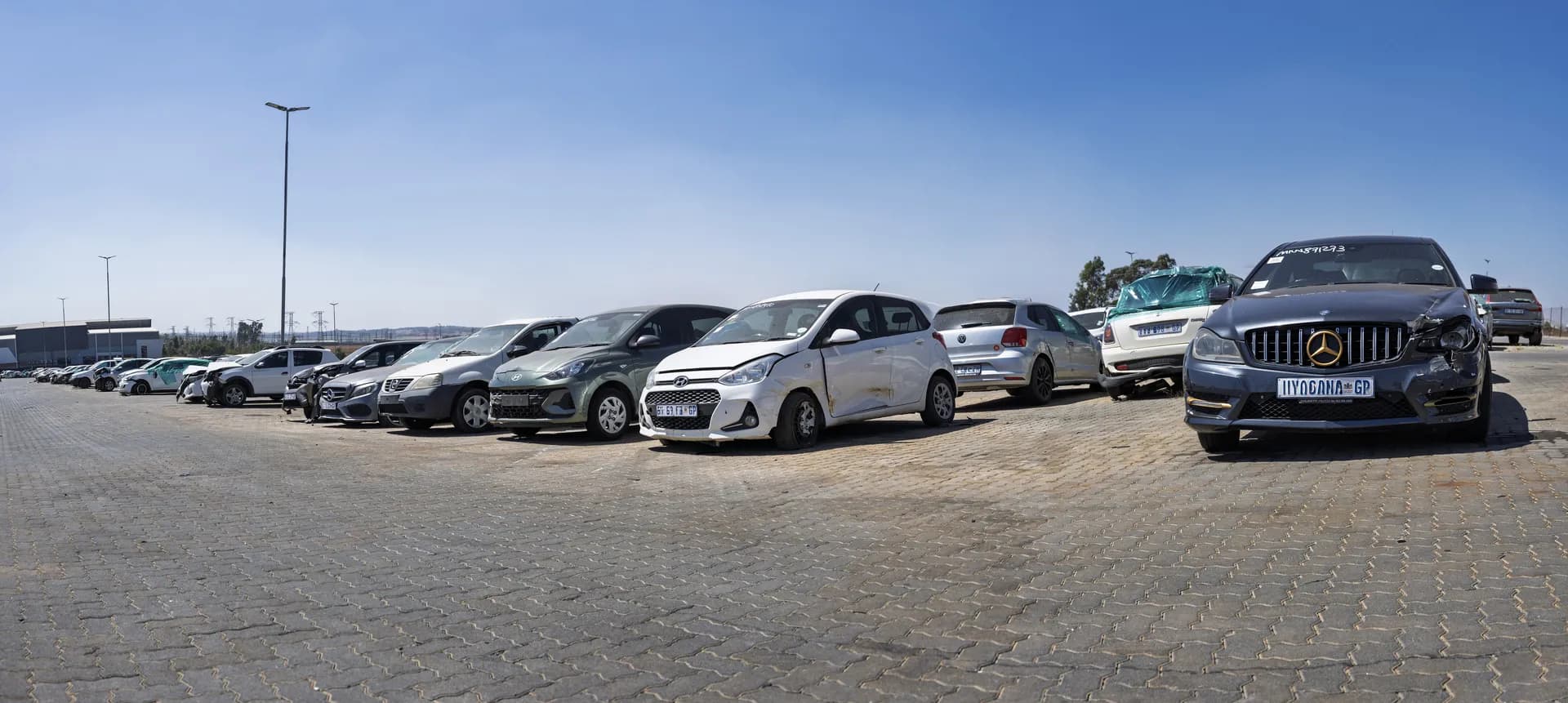
Overview: The Differences Between Battery Flat and Engine Seized Non-Runners
When your car won't start, the core issue matters-not just for repairs, but also for selling. A "battery flat" issue means the battery has lost charge or failed, which is typically low-cost to fix. An "engine seized" non-runner, however, suffers complete internal engine failure-making repairs far more complex and expensive, often exceeding the car's value. Knowing the distinction helps you decide on repair or sale, and prepares you for what buyers, including specialist services like Sell Your Damaged Car, will consider when making an offer.
Common Symptoms & Causes
- Battery flat: Lights and electronics dim or dead; dashboard won't power up; usually worsens with infrequent use.
- Engine seized: Starter clicks but engine doesn't crank; may be caused by lack of oil, overheating, or mechanical failure.
Repair Cost vs Value Retained Table
| Issue | Typical Repair Cost (Rands) | Impact on Car's Value |
|---|---|---|
| Battery flat | R800 - R2,000 | Minimal after replacement |
| Engine seized | R15,000 - R50,000+ | Significant reduction; usually only salvage value |
As shown, a flat battery is a minor setback. A seized engine, however, almost always means major loss. Most private buyers won't attempt engine repairs, and insurers generally write these cars off, unless under manufacturer warranty.
When to Repair and When to Sell
If your non-running vehicle only has a flat battery and no other known faults, replacement is often worthwhile-especially if you have paperwork and the car is otherwise mechanically sound. However, a seized engine typically commands high repair bills, and the cost is rarely justified unless the car is very new or high value. For most South African owners, selling as-is to a specialist damaged car buyer is quicker and reduces losses.
Battery Flat vs Engine Seized: Typical Offer Impact (South Africa)
| Damage Type | Private Sale Potential | Specialist Buyer Potential |
|---|---|---|
| Battery flat | Normal price (if no other issue) | Competitive cash offer, near market value |
| Engine seized | Very low, mainly for parts | Salvage value based on make/model/year |
If you're not sure, request a professional assessment before repairing. Otherwise, be honest about the issue when seeking offers. Transparent descriptions speed up the process and ensure fair valuations for both repairable and scrap vehicles.
How to Sell a Non-Runner-Simple Online Process
Selling a car that won't start-whether battery flat or engine seized-doesn't have to be complex. At Sell Your Damaged Car, our nationwide South African service is designed for both private owners and business fleets, offering transparency and speed. Here's how the process works:
- Upload your car's details and clear photos online. Specify whether the problem is battery-related or engine-related.
- Receive a tailored cash offer reflecting your car's condition and the nature of its non-running status.
- If you accept, we arrange free towing from anywhere in Johannesburg, Cape Town, Durban or nationwide-saving you transport hassles.
- We handle all paperwork, including deregistration, even if the car is not running or accident-registered under your name.
- Payment is processed immediately after collection, with secure bank transfer and confirmation provided.
Legal & Paperwork: South African Requirements
Deregistering a non-runner vehicle is standard practice when selling in South Africa. We help complete the deregistration forms, update eNaTIS records, and ensure you're no longer liable for fees or penalties. If your vehicle is under finance, be transparent-settlements and finance house liaison are possible, but additional steps may apply.
Tips to Maximise Your Offer
- Be honest and specific about the nature of the non-runner fault.
- Include multiple photos showing full exterior, interior, and any damage.
- Gather all keys, service records, and paperwork before collection.
- Avoid lengthy storage; standing time can decrease a car's salvage value due to additional deterioration.
What Happens After Collection?
Once we've collected your vehicle, our admin team confirms your deregistration with the licensing authority and finalises the transfer of ownership. You receive bank confirmation of payment, and your vehicle is responsibly processed-either recycled for parts (if engine seized) or made roadworthy again (if repairable). You have no further administrative obligations or costs.
Internal Resources
Sources
Seasoned automotive specialists dedicated to helping you turn your damaged or non-running vehicle into cash fast and hassle-free.
Disclaimer: This content is for educational purposes only. Product availability, pricing, and specifications are subject to change. Always verify current details on the retailer's website before making a purchase. We may earn affiliate commissions from qualifying purchases.
Why sell your damaged car to us?

A Division of Auction Nation, the leading expert in selling damaged cars

Best price for your damaged car

Get a cash offer within 24h

We buy damaged cars in any condition

We buy accident- damaged cars still under finance

Free, no obligation offer on your vehicle
How We Calculate Your Damaged Car’s Value
Wondering how we calculate your car’s value? At Sell Your Damaged Car, we look at: Your car’s real condition, its salvage value, and the current market demand. It’s all about honesty, transparency, and fairness — that’s how we determine your offer.
Frequently Asked Questions
Get answers to common questions about Damage Types
Why Choose Sell Your Damaged Car?
Free Towing
Need a tow? We got you
Hassle Free
Get a cash offer within 24h!
Nationwide
Somewhere remote? No problem!
