
What Does Code 3 Mean When Buying or Selling a Car in South Africa?
Learn what Code 3 commonly indicates for vehicle damage, how it affects buying or selling in South Africa, paperwork to expect and practical next steps.
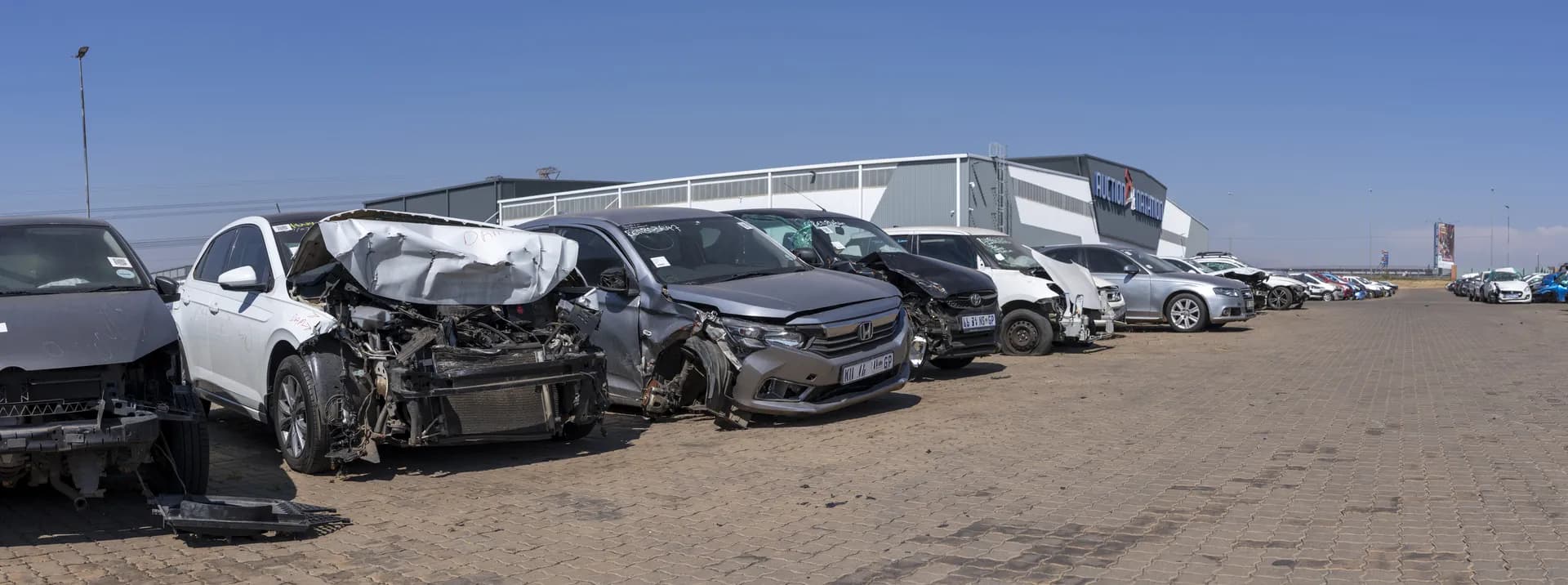
Code 3 Means Significant Damage
It flags serious structural or safety issues and affects resale and insurance treatment.
Get Documentation Ready
Assessor reports, photos and finance details improve offers and speed up transfers.
Compare Options in SA
Repair vs sell decisions depend on repair cost vs market value and compliance needs.
Overview: What is Code 3 and why it matters
The phrase "what does code 3 mean when buying or selling a car" commonly appears in South African vehicle markets because Code 3 is a damage or condition classification used by insurers, assessors and some vehicle-history services. Definitions vary between organisations, but in practice Code 3 signals significant damage or a condition that materially affects roadworthiness, resale value or insurability. If you see Code 3 listed on a report or advertisement, treat it as a prompt to dig deeper: ask for the assessor report, photos, and a clear description of repairs or structural issues.
How Code 3 is used in practice
Different parties may label damage differently. An insurer might use Code 3 to indicate a vehicle is an insurer-declared loss or requires structural repair; a dealer or auction house might use the same term to flag a serious condition. Because definitions are not universally standardised, always confirm the issuing body and request documentation. When buying or selling, Code 3 typically translates into lower market interest, special transfer requirements and a higher level of disclosure during the sale.
Quick example (South Africa context)
Imagine a 2012 hatchback involved in a frontal collision. An assessor marks the vehicle Code 3 on the inspection form because of structural damage to the front subframe and deployed safety systems. That classification will affect offers from private buyers, trade-in values quoted by dealers, and how insurers view future coverage. In many cases, a Code 3 vehicle becomes a candidate for sale to salvage buyers or specialist repairers rather than ordinary private resale.
When to sell vs repair if your vehicle is Code 3
Choosing whether to repair a Code 3 vehicle or sell it as-is depends on repair cost, the pre-accident market value and the intended use. As a practical rule of thumb used by many sellers and insurers: if estimated repair costs approach or exceed a substantial portion of the vehicle's pre-accident market value, selling as damaged is often the more practical option. Repairing may make sense if you plan to keep the vehicle and can verify repairs meet all safety and legal standards.
| Repair cost vs value retained (illustrative estimates) | Typical outcome |
|---|---|
| Repair costs < 20% of pre-accident value | Likely economical to repair; resale value largely retained after certified repairs (subject to disclosure). |
| Repair costs ~20%-50% of value | Consider repair if you plan to keep car; resale value reduced and buyers require full disclosure. |
| Repair costs >50% of value | Often sold as salvage or written-off; competitive cash offers for damaged cars may be preferable. |
Note: percentages and thresholds above are estimates for planning purposes. Insurers and assessors in South Africa may use different thresholds (for example 50%-80%) when deciding whether to write off a vehicle. Check your insurer or assessor report for the precise criteria applied to a Code 3 classification.
Practical tip: If you receive a Code 3 designation, request the assessor's itemised report, full damage photos and any notes about structural or airbag deployment. These documents are essential for buyer trust and for obtaining accurate trade or salvage offers.
For more on what we buy and how the valuation process works, see our About / How it works page.
If your car is non-running as a result of a Code 3 condition, read practical options on our Sell Non-Running Car page.
How the process works when Code 3 affects a sale
If you’re selling a Code 3 vehicle in South Africa, transparency and correct paperwork speed up offers. Typical steps are: gather assessor reports and photos, obtain a repair estimate if available, declare any finance on the vehicle, and provide full disclosure to prospective buyers or salvage buyers. Specialist buyers (cash-for-damaged-car services, dismantlers, or salvage yards) often quote based on usable parts and salvage demand rather than roadworthy value.
Damage types vs typical offer impact
| Damage type | Typical impact on offers |
|---|---|
| Structural/frame damage | High negative impact; often classified Code 3 and sold to salvage specialists. |
| Engine or transmission failure | Moderate to high impact; interest from mechanics and parts buyers if body is intact. |
| Airbag deployment | Significant impact due to safety system costs and repair complexity. |
| Minor cosmetic damage | Lower impact; often repairable with good resale prospects if structural integrity unaffected. |
Legal & paperwork considerations in South Africa
A Code 3 tag can trigger specific legal and administrative steps. If the vehicle is under finance, you must inform the credit provider and obtain a settlement or release before transfer. For vehicles declared total losses by insurers, the insurer's settlement documentation becomes important when transferring ownership. Deregistration or change-of-ownership steps depend on the circumstances of the sale; buyers and sellers must comply with the local licensing authority and provide required documentation.
If you prefer to avoid handling these logistics, specialist services can help: they provide free towing, handle paperwork including deregistration where applicable, and issue fast payment to sellers. See our service summary on the Sell Damaged Cars page for examples of inclusions and what to expect from a buyer that handles admin nationwide.
Tips to maximise your offer when Code 3 appears
- Provide comprehensive documentation: assessor reports, photos before and after impact (if available), service history and any receipts for repairs.
- Be transparent about finance: confirm if there is an outstanding balance and have the account details ready for settlement or transfer.
- Get multiple offers: salvage specialists, dismantlers and cash-for-damaged-car services evaluate differently - compare to find the most suitable solution for your goals.
- Confirm regulatory compliance: if you repair and intend to re-register, ensure repairs meet South African safety standards and that inspections are documented.
What happens after collection
After a sale of a Code 3 vehicle, typical next steps are paperwork completion, transfer or deregistration as agreed, and payment release. If you sold to a salvage buyer, they may dismantle for parts or arrange full repairs through a specialist workshop. If the vehicle was under finance, a settlement or clearance certificate will be issued by the finance provider and recorded during transfer.
For an outline of a fast, paper-handling process that includes free towing and prompt payment, review how our online valuation and collection works on the Sell Your Damaged Car homepage. That page explains the steps from uploading details and photos to collection and payment verification.
Sources
- Automobile Association (AA) South Africa - guidance on accident procedures and vehicle checks
- Department of Transport, Republic of South Africa - vehicle registration and licensing
- South African Insurance Association (SAIA) - industry guidance and insurer practices
If you are dealing with a Code 3 classification, keep documentation organised and seek multiple valuations. That approach helps you make an informed choice about repair, retention or sale, whether you are in Johannesburg, Cape Town, Durban or elsewhere in South Africa.
Seasoned automotive specialists dedicated to helping you turn your damaged or non-running vehicle into cash fast and hassle-free.
Disclaimer: This content is for educational purposes only. Product availability, pricing, and specifications are subject to change. Always verify current details on the retailer's website before making a purchase. We may earn affiliate commissions from qualifying purchases.
Why sell your damaged car to us?

A Division of Auction Nation, the leading expert in selling damaged cars

Best price for your damaged car

Get a cash offer within 24h

We buy damaged cars in any condition

We buy accident- damaged cars still under finance

Free, no obligation offer on your vehicle
How We Calculate Your Damaged Car’s Value
Wondering how we calculate your car’s value? At Sell Your Damaged Car, we look at: Your car’s real condition, its salvage value, and the current market demand. It’s all about honesty, transparency, and fairness — that’s how we determine your offer.
Frequently Asked Questions
Get answers to common questions about Damage Types
Why Choose Sell Your Damaged Car?
Free Towing
Need a tow? We got you
Hassle Free
Get a cash offer within 24h!
Nationwide
Somewhere remote? No problem!
