
Local Authorities Involved in Vehicle Deregistration in South Africa: Your Complete Guide
Find out which local offices handle vehicle deregistration, what paperwork is needed, and why proper deregistration protects South African car sellers.
Overview: Understanding Vehicle Deregistration and Why Local Authorities Play a Key Role
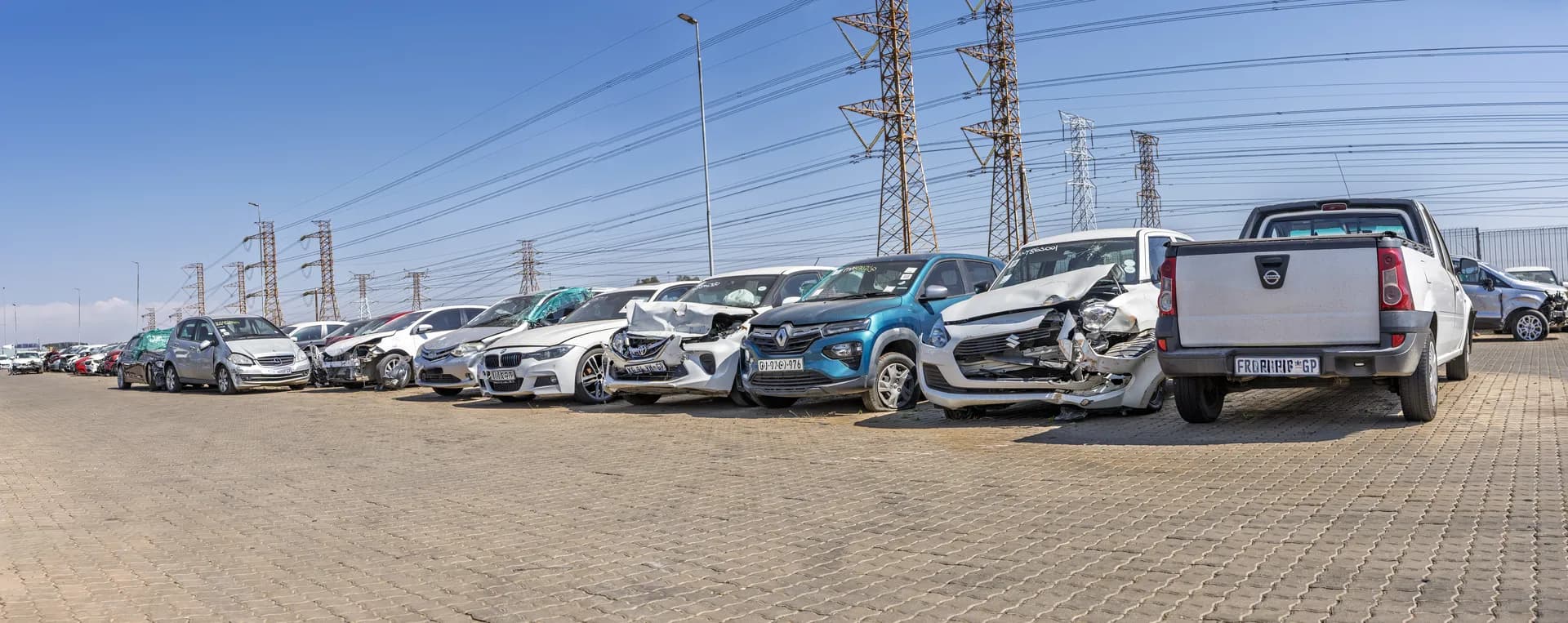
When you sell a damaged, non-running, or accident-written-off vehicle in South Africa, proper deregistration is vital. Deregistration formally removes your name from the eNaTIS national database, declares the vehicle "deceased" or "scrapped," and protects you from future liabilities. The local licensing authority-usually your regional licensing department or local traffic office-has the critical role of processing these requests.
Which Local Authorities Handle Vehicle Deregistration?
Throughout South Africa, vehicle deregistration isn't completed at a national office, but at local licensing or traffic service centres. These centres operate under provincial Departments of Transport, but implementation and paperwork requirements can vary between:
- City or municipal traffic departments (e.g., Johannesburg, Cape Town, Durban Licensing)
- Regional or district licensing authorities
- Designated registering authorities (DRA) linked to large metro areas or rural regions
Always confirm the nearest office via your city or provincial transport website. In major cities, dedicated registering authority offices manage significant vehicle administration volumes.
Why Is Proper Deregistration Through Local Authorities So Important?
Once you've sold or written off your vehicle-especially if the car was heavily damaged or scrapped-correct deregistration guarantees:
- You are legally removed from future liabilities on the vehicle (fees, fines, e-tolls, accident claims)
- The car's record shows "scrapped"/"deceased vehicle" status on eNaTIS
- The new owner (or scrap processor) is responsible from date of sale onward
- Avoidance of bureaucratic confusion if the vehicle is found, re-registered, or in an accident later
Key Steps Local Traffic Offices Require for Deregistration
| Authority | Typical Documents Needed | Process Tip |
|---|---|---|
| Local Licensing Department (Metro/City) | ID, proof of address, registration papers, completed form (eNaTIS NCO or Application for Deregistration) | Ask for a confirmation of deregistration for your records. |
| Designated Registering Authority (DRA) | Same as above; larger offices may require booking | Bring a copy of the sales agreement or insurance write-off if relevant. |
| Provincial Department of Transport Branch | ID, proof of address, vehicle papers, completed forms | Check provincial websites for branch-specific forms or requirements. |
How the Deregistration Process Works: Interaction with Local Authorities
After your damaged or written-off vehicle has been collected by a specialist buyer such as Sell Your Damaged Car, the deregistration process generally involves the following steps at your local authority:
- Visit your local licensing or traffic department with all required documents.
- Complete the Notice of Change of Ownership (NCO) and/or Application for Deregistration forms (confirm with your local office for the correct version).
- Provide supporting documentation, which may include a receipt or proof of scrap/disposal, sale agreement, and your ID.
- Pay any applicable administrative fee (typically under R200 as of 2024; check local rates).
- Request a copy of the confirmation to keep for your records. This serves as legal proof that the car is no longer yours.
Special Circumstances in Major Cities
In cities like Johannesburg, Cape Town, and Durban, registration authorities handle high applicant numbers. It's often wise to book an appointment online or early in the week to avoid queues. Check if your city offers an online pre-submission service-or use a professional car-buying service that manages the paperwork on your behalf.
Practical Tips to Streamline Deregistration with Local Authorities
- Always make photocopies (and digital scans) of all submitted documents.
- Double-check form requirements specific to your province or municipality via their official website or helpline.
- Keep your cell number current with the authority in case of any follow-up queries.
After Deregistration: What You Should Receive
Once your local authority has processed the deregistration, your vehicle status is updated on eNaTIS to "scrapped," "deceased," or "ownership change." You should no longer receive licence renewal notices or be liable for traffic offences incurred by new owners.
When using a reputable car-buying service like Sell Your Damaged Car, paperwork is handled in line with these local authority requirements-reducing your admin and risk.
Typical Impact of Not Deregistering Properly
| Scenario | Potential Risk to Former Owner |
|---|---|
| Vehicle remains in your name after sale | Traffic fines, e-toll bills, outstanding licence fees, and legal/insurance claims could still be directed to you. |
| Skipped local authority paperwork | Difficulty proving you sold the car, disputes with buyers, and risk of vehicle cloning or fraud. |
Sources
Seasoned automotive specialists dedicated to helping you turn your damaged or non-running vehicle into cash fast and hassle-free.
Disclaimer: This content is for educational purposes only. Product availability, pricing, and specifications are subject to change. Always verify current details on the retailer's website before making a purchase. We may earn affiliate commissions from qualifying purchases.
Why sell your damaged car to us?

A Division of Auction Nation, the leading expert in selling damaged cars

Best price for your damaged car

Get a cash offer within 24h

We buy damaged cars in any condition

We buy accident- damaged cars still under finance

Free, no obligation offer on your vehicle
How We Calculate Your Damaged Car’s Value
Wondering how we calculate your car’s value? At Sell Your Damaged Car, we look at: Your car’s real condition, its salvage value, and the current market demand. It’s all about honesty, transparency, and fairness — that’s how we determine your offer.
Frequently Asked Questions
Get answers to common questions about Legal And Paperwork
Why Choose Sell Your Damaged Car?
Free Towing
Need a tow? We got you
Hassle Free
Get a cash offer within 24h!
Nationwide
Somewhere remote? No problem!
