
Best Time to Deregister a Scrap Vehicle in South Africa: What Owners Need to Know
Discover when to deregister a scrap car in South Africa, common pitfalls, and how to simplify the process for a safe, compliant sale.
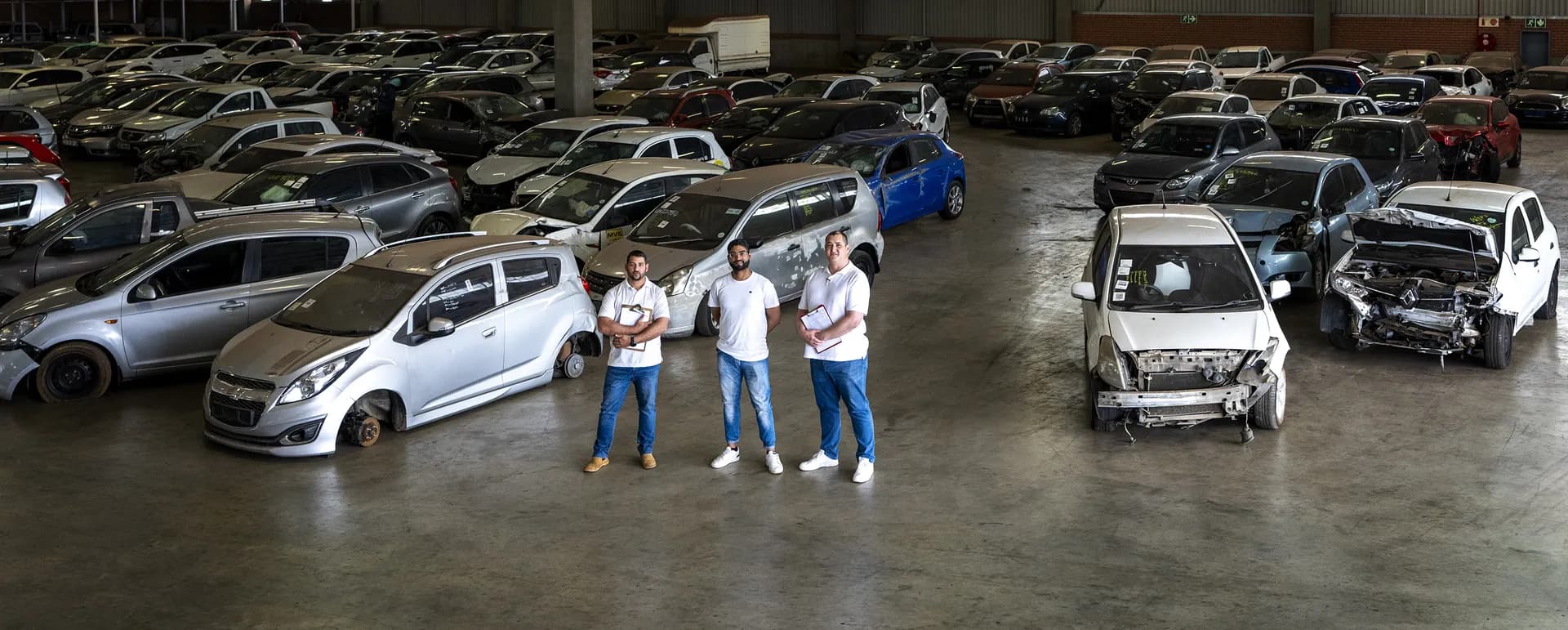
Overview: Why Deregistration Matters for Scrap Vehicles
If your car is accident-damaged beyond repair, non-running due to severe mechanical failure, or written off by your insurer, it could be classified as 'scrap.' In South Africa, deregistering a scrap vehicle is a legal and financial safeguard for owners and is a vital step before selling to services like Sell Your Damaged Car. Acting promptly protects you from future liabilities, penalties, and annual costs.
When Should You Deregister Your Scrap Vehicle?
The recommended time to deregister a scrap vehicle is as soon as you confirm it is no longer roadworthy or economically repairable. For example, after a major accident resulting in a write-off or when a mechanic supplies a quote that exceeds the vehicle's market value. Quick action means:
- No further responsibility for traffic fines, licence fees, or e-toll charges.
- Protection from registration-based municipal billing (such as eThekwini or City of Cape Town fees).
- Streamlined paperwork for selling or disposing of your vehicle.
In some cases, especially if the vehicle is insured, deregistration should take place after your insurer officially declares it a total loss or issues a settlement. Always check with your insurance provider before finalising deregistration to prevent disputes.
Typical Scenarios and Ideal Timing
| Scenario | Recommended Deregistration Timing | Notes |
|---|---|---|
| Written off in an accident | After insurer settlement | Confirm all claims are closed |
| Non-running, high repair cost | Immediately after repair assessment | Get mechanic's letter if needed |
| Fire or flood damage, not insured | Immediately on determining scrap status | Consult with SAPS if required |
How Deregistration Works in South Africa
To deregister a scrap vehicle, vehicle owners must notify their local registering authority (e.g. licensing department) using an Application for Deregistration (form RC1 or equivalent). The process typically involves:
- Providing valid identification (SA ID, traffic register, etc.)
- Filling out and signing the RC1 form
- Supplying supporting documents (accident report, insurance statement, or mechanic's letter)
- Returning the original licence disc and car registration certificate (NATIS document)
Many nationwide buyers like Sell Your Damaged Car offer assistance with paperwork, including collection and submission of required forms, making the deregistration process seamless for both private owners and small fleet operators across Johannesburg, Cape Town, Durban, and beyond.
Repair vs Deregister: Financial Impacts
| Vehicle Value (Before Damage) | Estimated Repair Cost | Resale Value After Repair | Net Retained Value |
|---|---|---|---|
| R80,000 | R60,000 | R65,000 | R5,000 |
| R50,000 | R55,000 | R40,000 | -R15,000 |
When the cost to repair equals or exceeds resale value, deregistration and disposal are often the most financially prudent options. Delayed deregistration can further erode value due to accumulating penalties or storage costs.
Paperwork Pitfalls to Avoid
- Not notifying your insurer or bank if the vehicle is under finance
- Omitting required forms when dealing with traffic departments
- Allowing a dealer or buyer to collect your car before formal deregistration or sale is confirmed
After Deregistration: What Happens Next?
Once your vehicle is formally deregistered, you are officially free from licence fees and liability for future offences relating to that vehicle. If you are selling a scrap vehicle to Sell Your Damaged Car, our team completes the remaining paperwork for transfer or recycling and arranges free towing nationwide, whether you're in Johannesburg, Cape Town, Durban, Pretoria or any surrounding areas. Payment is released when the vehicle is collected and records are updated.
- Seller's checklist: Remove number plates, personal effects, e-tag, and ensure you have ID and banking details ready for payment.
- Request confirmation from the buyer (e.g. Sell Your Damaged Car) of both collection and deregistration or notice of change of ownership for your records.
Following proper deregistration procedures reduces ongoing costs and ensures a compliant, stress-free sale of your scrap or non-running vehicle.
Sources
Seasoned automotive specialists dedicated to helping you turn your damaged or non-running vehicle into cash fast and hassle-free.
Disclaimer: This content is for educational purposes only. Product availability, pricing, and specifications are subject to change. Always verify current details on the retailer's website before making a purchase. We may earn affiliate commissions from qualifying purchases.
Why sell your damaged car to us?

A Division of Auction Nation, the leading expert in selling damaged cars

Best price for your damaged car

Get a cash offer within 24h

We buy damaged cars in any condition

We buy accident- damaged cars still under finance

Free, no obligation offer on your vehicle
How We Calculate Your Damaged Car’s Value
Wondering how we calculate your car’s value? At Sell Your Damaged Car, we look at: Your car’s real condition, its salvage value, and the current market demand. It’s all about honesty, transparency, and fairness — that’s how we determine your offer.
Frequently Asked Questions
Get answers to common questions about Legal And Paperwork
Why Choose Sell Your Damaged Car?
Free Towing
Need a tow? We got you
Hassle Free
Get a cash offer within 24h!
Nationwide
Somewhere remote? No problem!
