
How to Increase the Value of a Non-Runner Bakkie in South Africa
Discover expert tips to boost the offer you receive for a non-running bakkie in South Africa. Learn what affects value, paperwork tips, and how free towing helps.
Understanding the Non-Runner Bakkie Market
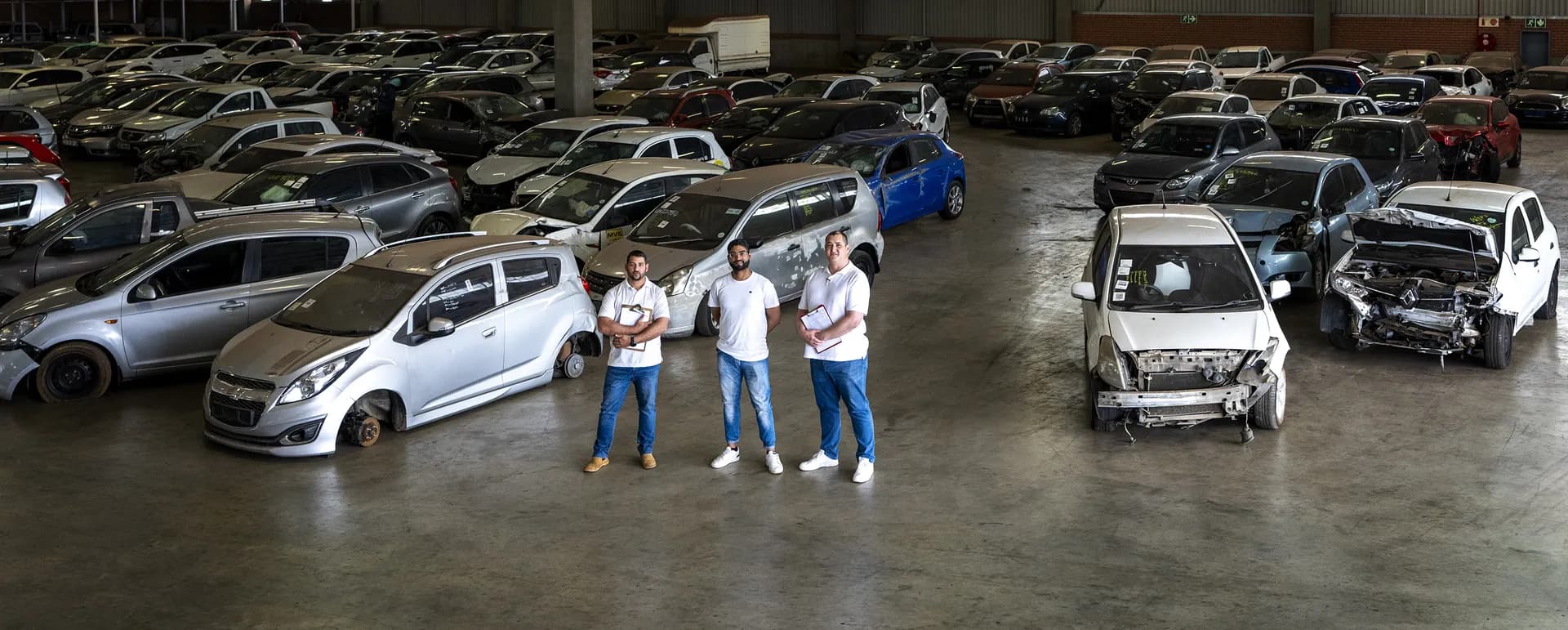
In South Africa, non-runner bakkies-vehicles that cannot be driven due to mechanical faults, engine failure, or accident damage-represent substantial untapped value for owners and fleet managers. Whether your bakkie has a seized engine, gearbox failure, or has been standing for months, you can still unlock real cash value by preparing and presenting it well to specialist buyers like Sell Your Damaged Car.
Recognising what determines value is key to maximising your return. Non-runner bakkies are in demand for parts, salvage, and in some cases, repair or export. Key value drivers include overall condition, completeness, paperwork status, and transparency about faults.
When to Sell vs Attempt a Repair
Getting your non-running bakkie back on the road can be costly, especially with major engine or gearbox defects. Assess the trade-off using actual repair quotes and current bakkie market values. Here's a simple comparison table to illustrate:
| Scenario | Typical Repair Cost (R) | Estimated Value Retained (%) |
|---|---|---|
| Engine Replacement | R28,000-R60,000 | 55-70% |
| Gearbox Overhaul | R12,000-R25,000 | 60-75% |
| Sell As Non-Runner | Minimal Costs | 35-55% |
If repair costs exceed the bakkie's post-repair resale value, selling as a non-runner often makes better financial sense, especially when fast payment and no upfront expense are priorities.
How Condition and Presentation Affect Value
Salvage buyers and specialist companies look closely at more than just whether the bakkie starts. Here's how damage types typically affect offer value:
| Damage Type | Typical Offer Adjustment |
|---|---|
| Mechanical (Engine, Gearbox) | Moderate (30-50% of retail value) |
| Accident (Panel/Structural) | Substantial reduction (25-45%) |
| Non-runner but Complete | Higher salvage value |
| Non-runner, Missing Parts | Lower offer (parts cost deducted) |
Keeping the bakkie complete (no missing wheels, battery, seats, or trim) can significantly improve the cash offer. Even non-running engines and gearboxes have strong value in the SA used spares market, especially for popular Toyota, Ford, Isuzu, and Nissan models.
SA-Specific Note: Free Towing and Nationwide Coverage
Unlike private buyers, professional vehicle buyers typically offer free collection and towing throughout South Africa-Johannesburg, Cape Town, Durban and remote areas included. This saves substantial costs, as towing a non-runner bakkie can easily exceed R2,000 locally.
How to Maximise Your Non-Runner Bakkie's Offer
- Gather and organise paperwork: Ready your logbook, deregistration forms, and finance settlement letter (if applicable). Legal clarity always boosts buyer trust.
- Present the bakkie clearly: Clean the exterior and cabin, remove refuse, and ensure all loose parts are in the load bay or visible for inspection.
- Take detailed, honest photos: Photograph all angles, wheels, the VIN plate, and close-ups of both damage and undamaged areas. Good images help buyers provide their strongest offer up front.
- List non-obvious extras: Canopy, towbar, or after-market features (bull bars, racks) should be listed-even if non-functional, they may add value.
- Disclose defects accurately: Transparency about mechanical issues means less risk for buyers and fewer offer adjustments post-inspection.
How the Professional Selling Process Works
- Submit details online, including honest descriptions and supporting images.
- Receive a competitive cash offer based on real-time market and salvage demand.
- If under finance, ensure an official settlement letter is available. The outstanding amount will be settled as part of the deal.
- Accept the offer, confirm collection, and complete paperwork. Free towing is arranged to your location, nationwide.
- Payment is made and verified, often within the same day of collection.
In South Africa, all vehicles scrapped or sold as salvage must be deregistered at the licensing office. Trusted buyers will assist with this step and provide transaction records for your peace of mind.
After Collection - What Happens Next?
After your non-runner bakkie is collected, buyers manage deregistration, issue a receipt, and settle any outstanding finance if arranged. Vehicles are then either stripped for parts, recycled, or offered to rebuilders under strict regulatory guidelines. Some models may be resold for legitimate export or spares only.
Summary Checklist
- Keep your bakkie as complete as possible
- Disclose all information transparently
- Prepare legal documentation in advance
- Use clear, honest photos to support your offer
Sources
Seasoned automotive specialists dedicated to helping you turn your damaged or non-running vehicle into cash fast and hassle-free.
Disclaimer: This content is for educational purposes only. Product availability, pricing, and specifications are subject to change. Always verify current details on the retailer's website before making a purchase. We may earn affiliate commissions from qualifying purchases.
Why sell your damaged car to us?

A Division of Auction Nation, the leading expert in selling damaged cars

Best price for your damaged car

Get a cash offer within 24h

We buy damaged cars in any condition

We buy accident- damaged cars still under finance

Free, no obligation offer on your vehicle
How We Calculate Your Damaged Car’s Value
Wondering how we calculate your car’s value? At Sell Your Damaged Car, we look at: Your car’s real condition, its salvage value, and the current market demand. It’s all about honesty, transparency, and fairness — that’s how we determine your offer.
Frequently Asked Questions
Get answers to common questions about Tips And Advice
Why Choose Sell Your Damaged Car?
Free Towing
Need a tow? We got you
Hassle Free
Get a cash offer within 24h!
Nationwide
Somewhere remote? No problem!
