
How to Sell a Non-Running Car Privately in South Africa - Step-by-Step Guide
Step-by-step advice for South African owners on preparing, pricing and safely selling a non-running car privately, including paperwork, transport and negotiation tips.
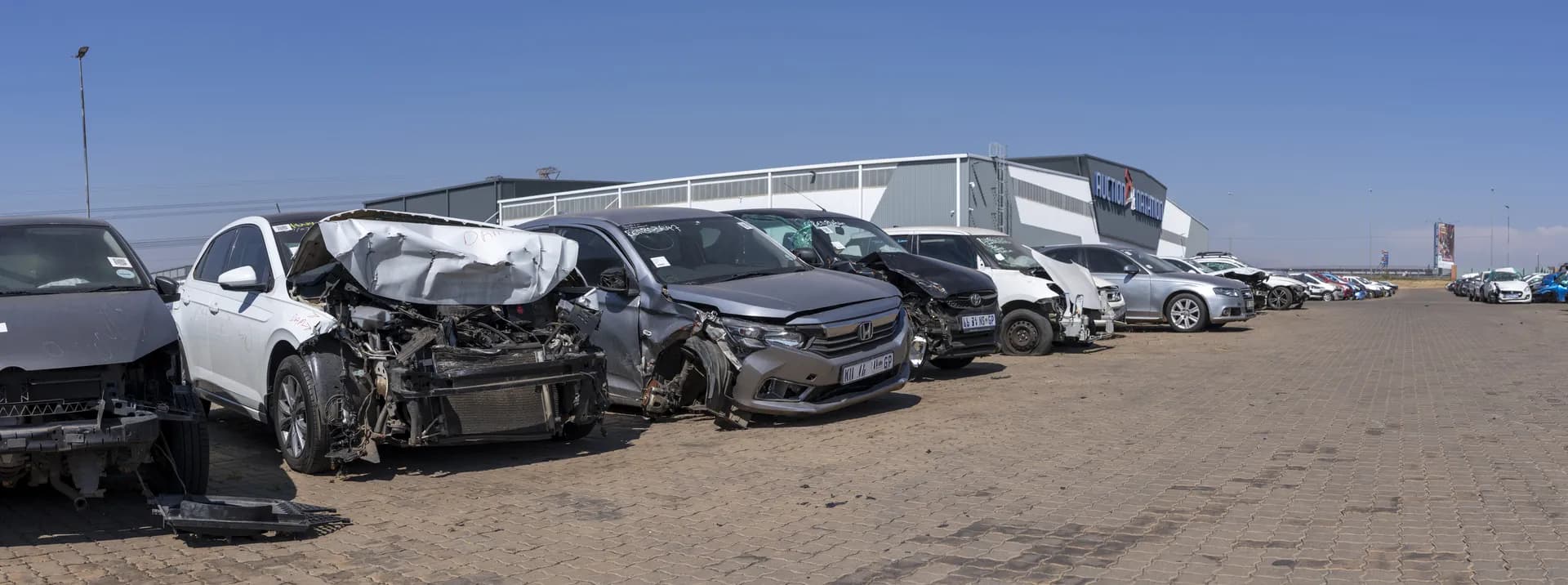
Overview: Selling a Non-Running Car Privately
Selling a non-running car privately can yield a higher return than trade or scrap in some cases, but it requires more time, effort and careful handling of logistics and legal steps. This guide explains when a private sale makes sense for South African owners, how to prepare the vehicle and listing, how to manage viewings and test-tow arrangements, and which paperwork is essential for a clean transfer.
When to choose a private sale vs selling to a buyer like Sell Your Damaged Car
- Choose a private sale if the car has rare parts, classic/collector value, or local buyer interest that could increase price.
- Consider a specialist buyer if you need quick sale, free towing, handled deregistration or prefer less hassle.
- Factor in time, safety and the cost of transporting a non-running vehicle when comparing net proceeds.
South Africa note
In SA, costs such as arranging a tow from Johannesburg, Cape Town or Durban and completing deregistration paperwork can reduce the net sale value. If you plan a private sale, budget for transport (often R500-R2,000 depending on distance and vehicle condition) unless the buyer arranges collection.
Preparing the Vehicle and Listing
A clear, honest listing improves your chances of a successful private sale. Buyers expect accurate details about why the car doesn't run and any safety or legal issues. Provide thorough photos, a honest damage/mechanical description and recent odometer reading.
- Photos: exterior from all sides, engine bay, interior, tyres, VIN/chassis and damage close-ups.
- Description: fault summary (e.g., seized engine, blown head gasket, flooded electricals), last known running date and any recent repairs.
- Documents: service history, licence papers, proof of ownership, and any finance clearance or settlement statements if applicable.
Repair Cost vs Value Retained (Example Table)
| Repair Type | Estimated Repair Cost (R) | Typical Value Increase After Repair |
|---|---|---|
| Starter motor / battery | R1,500 - R6,000 | Small to moderate |
| Transmission rebuild | R10,000 - R40,000 | Often less than cost - consider selling as-is |
| Engine replacement | R15,000 - R80,000+ | High cost; rarely fully recovered |
These ranges are estimates for South Africa in 2024-2025 and depend on vehicle make, model and labour costs. If repair cost approaches or exceeds the car's market value, a private sale as-is or selling a salvage car without repairs may be more sensible.
How to Conduct the Private Sale Safely
Advertising and screening buyers
List on popular South African platforms and be explicit that the car is non-running. Vet inquiries by phone before arranging in-person inspections. Beware buyers who pressure for cash-only or insist on meeting at unusual locations.
Organising viewings and transport
- Offer clear access for inspection; meet in daylight and public places, or at your repair yard if applicable.
- If the buyer wants the car transported, agree in writing who pays and who organises the tow or recovery. Get the transport company details and tracking where possible.
Legal & paperwork in South Africa
Completing the transfer correctly protects both parties. Key steps:
- Provide the buyer with the original vehicle licence (if available) and a signed written sales agreement detailing condition and odometer reading.
- If the vehicle is under finance, disclose this immediately and obtain a settlement figure from the finance house. Transfer cannot proceed cleanly until finance is cleared or handled via a buyout arrangement.
- Both parties should complete the section on the licence disk or complete a Register of Offences form if applicable; obtain a signed proof of sale and a payment receipt.
- Deregistration: advise the buyer to follow the registration transfer process with the relevant registering authority; consider using a licensed agent to complete the transfer.
Damage types vs typical private-sale impact (Table)
| Damage Type | Impact on Private Sale |
|---|---|
| Minor mechanical (starter/battery) | Usually easy to sell with small discount; attracts DIY buyers. |
| Major engine/transmission | Reduces pool of buyers; many will prefer wholesale or part-out. |
| Accident / structural damage | Significantly lowers private-sale price; clear disclosure required. |
| Flood or fire damage | Often restricted buyers; specialist salvage or buyer options might be better. |
Pricing and negotiating
Set a realistic asking price that accounts for transport and repair needs. Keep room for negotiation but be prepared to explain how you arrived at the figure (how to determine the value of a salvage car, market comparables, parts value, proof of ownership). Avoid sharing banking details prematurely; prefer verified bank transfers or an escrow arrangement where practical.
After the sale: collection and final steps
- Provide a signed bill of sale that states the vehicle is sold as-is and records the sale price, date and both parties' ID numbers.
- If the buyer or their tow company collects the car, verify identity and keep a copy of their ID and contact details.
- Notify your insurer and, if applicable, your finance house about the sale. Remove or cancel any standing agreements related to the vehicle.
Tips to maximise your private-sale outcome
- Be honest and detailed in the listing to build trust and reduce wasted viewings.
- Consider selling parts separately if the full vehicle market is limited - this can sometimes yield more combined value.
- Get quotes from special buyers (including services that buy non-running cars nationwide) to compare net proceeds after tow and paperwork costs.
Sources
- Road Traffic Management Corporation (RTMC) - South African vehicle registration guidance
- National Road Car Association - information on vehicle transfers and licensing
- Sell Non-Running Car - Sell Your Damaged Car service details
- Sell Damaged Cars - Sell Your Damaged Car guidance
- How it works - Sell Your Damaged Car process and nationwide coverage
If you plan to sell privately, balance potential higher returns against time, transport and legal responsibilities. For a quick, lower-effort alternative that includes free towing and paperwork assistance across South Africa, consider comparing private offers with specialist buyers. You can also get an offer for your non-running vehicle to compare options.
Seasoned automotive specialists dedicated to helping you turn your damaged or non-running vehicle into cash fast and hassle-free.
Disclaimer: This content is for educational purposes only. Product availability, pricing, and specifications are subject to change. Always verify current details on the retailer's website before making a purchase. We may earn affiliate commissions from qualifying purchases.
Why sell your damaged car to us?

A Division of Auction Nation, the leading expert in selling damaged cars

Best price for your damaged car

Get a cash offer within 24h

We buy damaged cars in any condition

We buy accident- damaged cars still under finance

Free, no obligation offer on your vehicle
How We Calculate Your Damaged Car’s Value
Wondering how we calculate your car’s value? At Sell Your Damaged Car, we look at: Your car’s real condition, its salvage value, and the current market demand. It’s all about honesty, transparency, and fairness — that’s how we determine your offer.
Frequently Asked Questions
Get answers to common questions about Selling Guides
Why Choose Sell Your Damaged Car?
Free Towing
Need a tow? We got you
Hassle Free
Get a cash offer within 24h!
Nationwide
Somewhere remote? No problem!
