
How to Determine the Value of a Salvage Car in South Africa - Practical Guide
Learn practical, South Africa-specific steps to estimate a salvage car's value: compare market prices, get repair quotes, assess parts demand and understand paperwork.
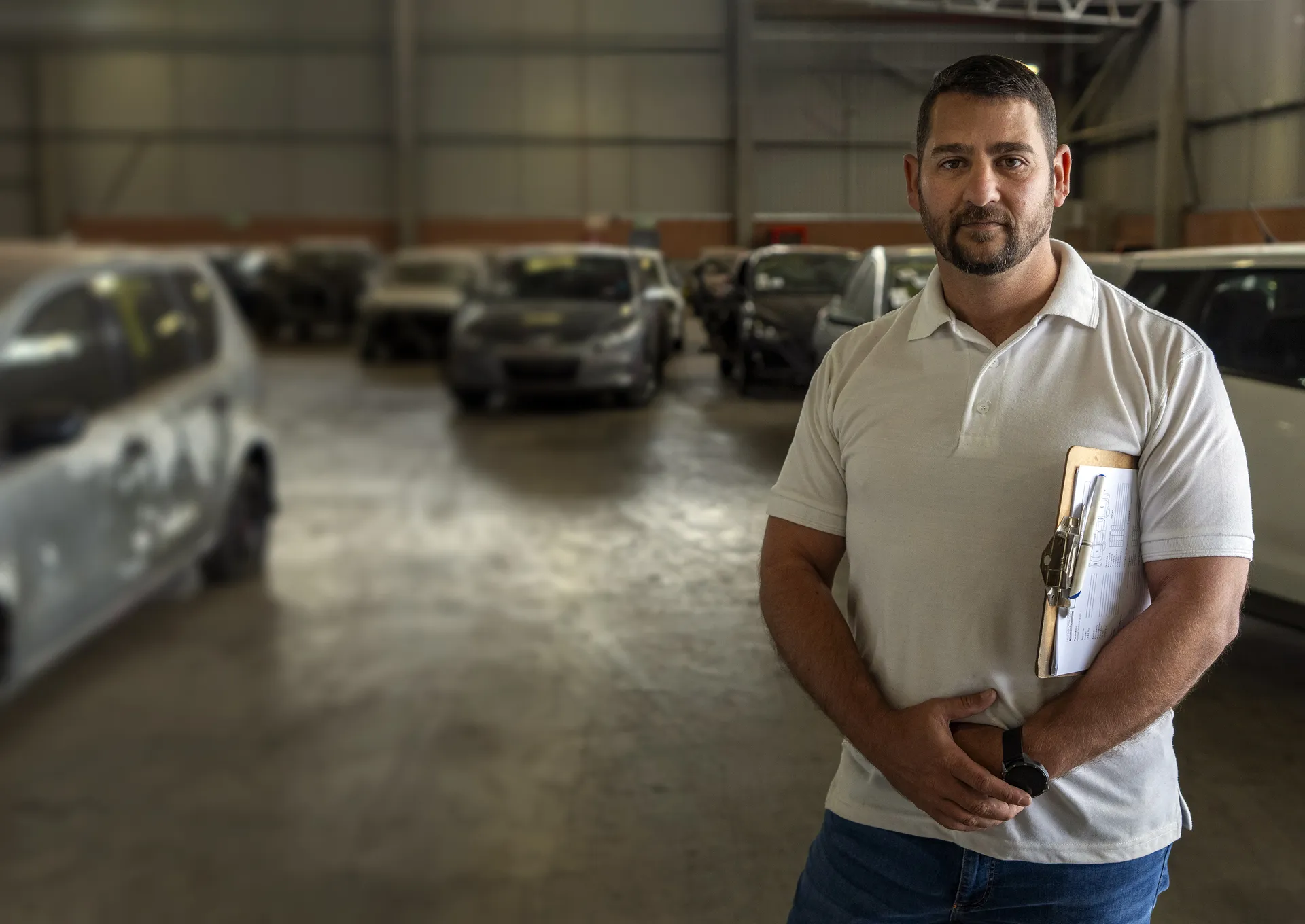
Estimate Repair vs Market Value
Compare repair costs to the vehicle’s post-repair market value in R.
Check Parts Demand
High parts demand can increase salvage value for specific models.
Confirm Paperwork & Fees
Account for towing, admin and finance status before accepting offers.
Overview: What 'salvage' means and why valuation matters
A salvage car is typically a vehicle declared a write-off after an accident, flood, fire or severe mechanical failure. Determining the value of a salvage car requires combining market data, repair cost estimates and an understanding of local salvage demand in South Africa. This guide explains practical methods to estimate a sensible value range (shown in rand, R) and the factors buyers and insurers use when making offers.
Key components of a salvage-value estimate
- Current trade/market value of the same make, model and year in good condition.
- Estimated cost to repair to a roadworthy state (if repair is feasible).
- Parts salvage value - demand for usable parts and scrap metal prices.
- Transport, storage and paperwork costs incurred by the buyer.
- Regulatory and insurer classifications (write-off category affects resale options).
Repair cost vs value retained (example table)
| Scenario | Estimated repair cost (R) | Likely retained value after repair (%) |
|---|---|---|
| Minor structural damage | R10,000-R30,000 | 70-85% |
| Major structural / frame repair | R30,000-R100,000+ | 40-70% |
| Flood or fire damage | Variable; often uneconomic | 10-50% |
Note: values above are illustrative estimates for South Africa and depend on make, model, age and regional demand. Use them only as a starting point, not an offer amount.
When to sell vs repair
Deciding whether to repair or sell a salvage car hinges on repair cost relative to the vehicle's repaired market value, insurance settlement rules and your personal needs. If repair cost approaches or exceeds 50-60% of the vehicle’s post-repair market value, selling for salvage often makes more sense. For private owners and small fleets, time, availability of cash and replacement costs should factor into the choice.
Practical first steps to value your salvage car
- Find the clean-market value: check listings for comparable vehicles on South African sites and auction platforms to get baseline market value in R.
- Obtain at least one independent repair estimate from a reputable panel beater or mechanic, with parts and labour broken down.
- Assess salvage demand: some models have high parts demand and can fetch more as part donors.
- Factor in transport and admin: buyers subtract towing, storage and paperwork costs when making offers.
If you’d like to compare selling options quickly, our site provides a streamlined valuation process that reflects these factors. Start from the homepage or read more about how we operate on our About / How it works page for context on offers and collection.
How the valuation process works in practice
Buyers of salvage cars (wreckers, rebuilders, auction houses and specialist buyers) combine three datasets when valuing a vehicle: the vehicle’s pre-loss market value, estimated repair costs, and resale potential for parts or as a rebuilt vehicle. In South Africa, this process also considers regional demand - e.g., higher parts demand for popular models in Johannesburg, Cape Town or Durban can raise salvage value slightly.
Damage types vs typical offer impact
| Damage type | Typical impact on offers |
|---|---|
| Cosmetic damage (panels, bumpers) | Lower impact; offers closer to market value |
| Structural/frame damage | Significant reduction - may be classed as write-off |
| Engine/transmission failure | Moderate to high impact; depends on spare parts demand |
| Flood or electrical damage | Often large reduction; many buyers avoid full rebuilds |
Legal & paperwork considerations in South Africa
A buyer will want clear ownership and accurate documentation before completing a purchase. Common legal points to confirm:
- Registered owner details and valid ID.
- Clear proof of ownership (registration papers).
- Disclosure of insurer write-off status; different categories of write-offs affect roadworthiness and resale options.
- Whether the vehicle is under finance - outstanding finance must be settled or disclosed.
Tips to maximise your salvage offer
- Provide clear photos from multiple angles and close-ups of damage and VIN - buyers value transparency.
- Gather maintenance and service records to show the vehicle’s pre-loss condition.
- If possible, remove personal items and ensure the car is accessible for inspection.
- Compare offers from multiple specialist buyers and auction values to find a competitive cash offer.
What happens after you accept an offer
When you accept a salvage offer, the standard steps are paperwork completion, vehicle collection and payment. Many specialist buyers operating in South Africa offer free towing, handle deregistration and other admin, and release payment quickly after verification. If you prefer a step-by-step explanation of the online process used by many buyers, see the Sell Damaged Cars and Sell Non-Running Car pages for examples of how offers, collection and payment are handled.
Example scenario: a 2012 mid-range hatch with frame damage has a clean-market value of R80,000. If repair estimates are R50,000 and parts demand is moderate, an informed salvage buyer might deduct repair risk, towing and admin and offer a figure well below R80,000 - illustrating why repair vs sell calculations are essential. All figures are illustrative and will vary by vehicle and location.
Sources
- Automobile Association (AA) South Africa - vehicle buying and safety guidance
- AutoTrader South Africa - market listings and used-vehicle price comparisons
- Cars.co.za - valuation articles and buyer resources for South African buyers
If you need a hands-on valuation, use multiple estimates and consider specialist salvage buyers who provide transparent breakdowns of how offers are calculated. Local variations across Johannesburg, Cape Town and Durban mean getting region-specific advice will usually improve the accuracy of any estimated value.
Seasoned automotive specialists dedicated to helping you turn your damaged or non-running vehicle into cash fast and hassle-free.
Disclaimer: This content is for educational purposes only. Product availability, pricing, and specifications are subject to change. Always verify current details on the retailer's website before making a purchase. We may earn affiliate commissions from qualifying purchases.
Why sell your damaged car to us?

A Division of Auction Nation, the leading expert in selling damaged cars

Best price for your damaged car

Get a cash offer within 24h

We buy damaged cars in any condition

We buy accident- damaged cars still under finance

Free, no obligation offer on your vehicle
How We Calculate Your Damaged Car’s Value
Wondering how we calculate your car’s value? At Sell Your Damaged Car, we look at: Your car’s real condition, its salvage value, and the current market demand. It’s all about honesty, transparency, and fairness — that’s how we determine your offer.
Frequently Asked Questions
Get answers to common questions about Selling Guides
Why Choose Sell Your Damaged Car?
Free Towing
Need a tow? We got you
Hassle Free
Get a cash offer within 24h!
Nationwide
Somewhere remote? No problem!
