
How to Secure a Car Sale in South Africa: Safety, Paperwork & Proven Steps
Learn how to safely sell your car in South Africa with expert tips on verified payments, legal paperwork and pitfall avoidance. Step-by-step guide for a secure transaction.
Overview: The Importance of Secure Car Sales in South Africa
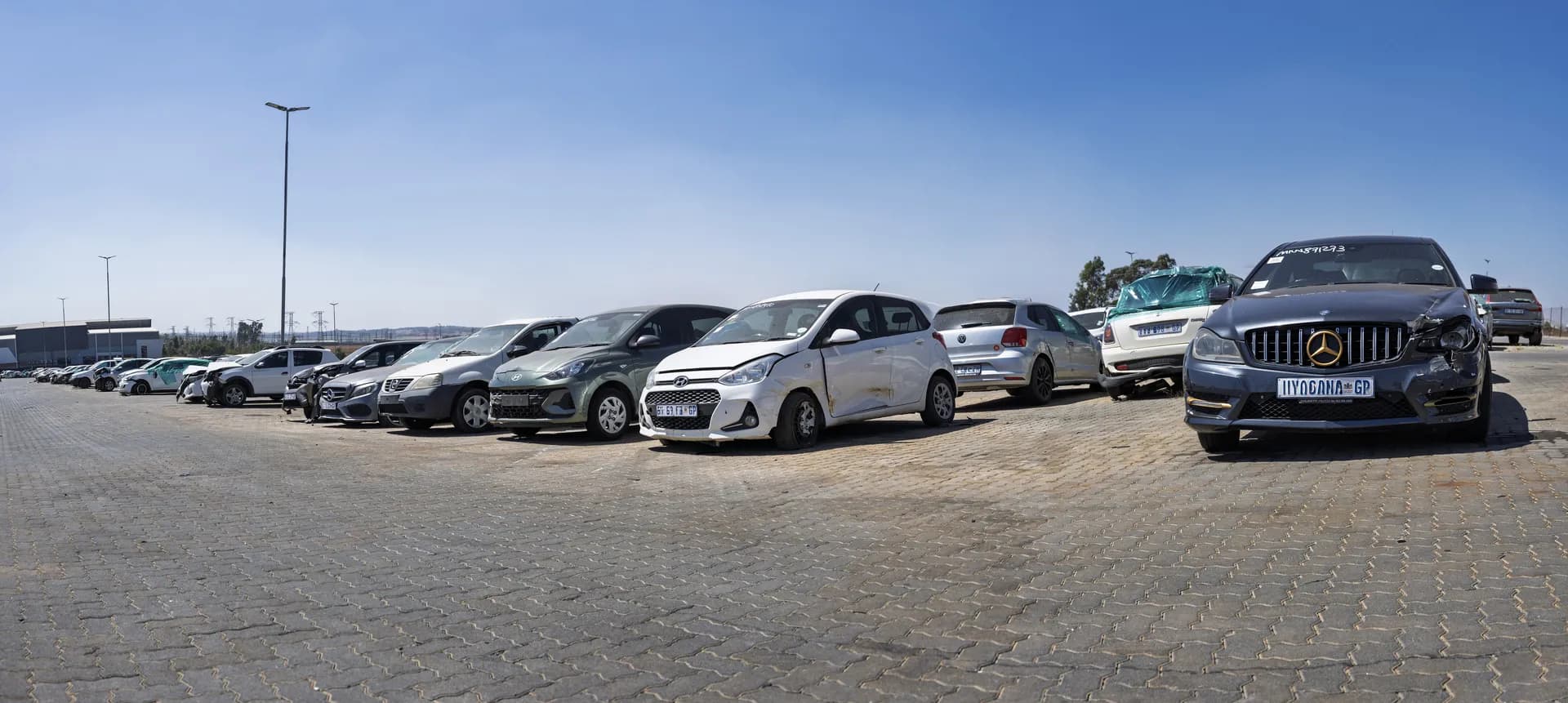
Selling a car can be a major financial transaction, especially if your vehicle is damaged, non-running, or written off. Security is crucial-both for your payment and to protect yourself from fraud, legal complications, or future claims against your name. In South Africa's fast-moving used and salvage market, it's essential to follow a trusted, step-by-step process accompanied by all required paperwork and safe payment protocols.
When Should You Sell - And Not Just Repair?
Choosing between selling and repairing depends on the condition of your vehicle, potential repair costs, and the risks involved in managing a private sale. South Africa's market offers cash buyers like Sell Your Damaged Car who specialise in purchasing accident-damaged, non-running, and salvage vehicles, making the process far safer and more convenient than handling it privately.
Table: Repair Cost vs Value Retained (Estimates)
| Vehicle Age | Major Repair Cost (R) | Typical Value Retained after Repair (%) |
|---|---|---|
| 0-3 years | 30,000 - 60,000 | 60-75% |
| 4-8 years | 15,000 - 45,000 | 45-65% |
| 8+ years | 10,000 - 35,000 | 35-50% |
In most cases, if repair costs exceed the market value retained (see above), selling is the simpler and safer route-especially for written-off or non-running cars.
Common Car Sale Security Risks in SA
- Fake proof of payment or bounced electronic transfers
- Buyers pressuring you to release the vehicle before funds clear
- Incomplete paperwork-leading to legal liability or e-toll debts
- Buyers misrepresenting their identity or dodging traceability
- Payment with fraudulent cheques or stolen funds
Callout: Did you know?
Essential Steps for a Safe Car Sale
- Authenticate the Buyer: Insist on a copy of ID and proof of residence. For businesses, request company registration documents.
- Get a Written Offer: Use a formal offer-to-purchase that specifies vehicle details, price, and obligations-avoid handshake deals.
- Insist on Cleared Payment: Release the vehicle only after funds reflect in your bank account. Prefer secure electronic transfer to cash or cheques.
- Complete the Sale Agreement: Fill out a sale agreement with buyer and seller info, car details, and the sale price.
- Officially Transfer Ownership: Complete the NCO (Notification of Change of Ownership) form and submit to your local licensing department. Both parties sign and keep copies.
- Deregister If Damaged/Unrepairable: For written-off or non-repairable vehicles, deregister as 'scrapped' to avoid ongoing liability.
- Cancel Insurance & e-Tolls: Notify your insurer and deregister e-tag accounts to avoid post-sale charges.
Table: Common Damage Types vs Security Impact (Private Sale)
| Damage Type | Private Sale Security Risk | Safer Alternative |
|---|---|---|
| Accident damage/written off | High (buyer may disappear-liability lingers) | Specialist cash buyer |
| Non-running/mechanical | Moderate (towing/payment disputes) | Professional removal & cleared payment |
| Flood/fire damaged | High (private market wary, risk of scams) | Reputable salvage buyer |
Maximising Security and Value
- Photograph the car (all angles, VIN/chassis plates, damage areas) as evidence at handover.
- Get copies of all signed documents and receipts.
- Prefer buyers who offer clear, traceable valuation and accept full admin responsibility (including deregistration).
- For vehicles under finance, settle the outstanding amount directly-insist on proof of settlement before transfer.
- For nationwide, stress-free collection, consider using dedicated services like Sell Your Damaged Car.
What Happens After Collection?
Monitor your bank for payment clearance. Confirm the transfer of ownership and deregistration are processed at the licensing authority. Archive all transaction records securely for at least 12 months to resolve any disputes or queries relating to fines or liability shifts.
South African Paperwork Requirements
- NCO (Notification of Change of Ownership) form
- Sale agreement/invoice
- Certified copies of IDs (buyer and seller)
- Proof of address (buyer and seller)
- Certificate of Roadworthiness (if applicable)
- Deregistration documents for scrap/irreparable vehicles
Sources
Seasoned automotive specialists dedicated to helping you turn your damaged or non-running vehicle into cash fast and hassle-free.
Disclaimer: This content is for educational purposes only. Product availability, pricing, and specifications are subject to change. Always verify current details on the retailer's website before making a purchase. We may earn affiliate commissions from qualifying purchases.
Why sell your damaged car to us?

A Division of Auction Nation, the leading expert in selling damaged cars

Best price for your damaged car

Get a cash offer within 24h

We buy damaged cars in any condition

We buy accident- damaged cars still under finance

Free, no obligation offer on your vehicle
How We Calculate Your Damaged Car’s Value
Wondering how we calculate your car’s value? At Sell Your Damaged Car, we look at: Your car’s real condition, its salvage value, and the current market demand. It’s all about honesty, transparency, and fairness — that’s how we determine your offer.
Frequently Asked Questions
Get answers to common questions about Tips And Advice
Why Choose Sell Your Damaged Car?
Free Towing
Need a tow? We got you
Hassle Free
Get a cash offer within 24h!
Nationwide
Somewhere remote? No problem!
