
How to Handle the Sale of Accident Damaged Cars in South Africa
Learn step-by-step how to sell an accident damaged car in South Africa: decide repair vs sell, manage paperwork, compare offers and protect your money.
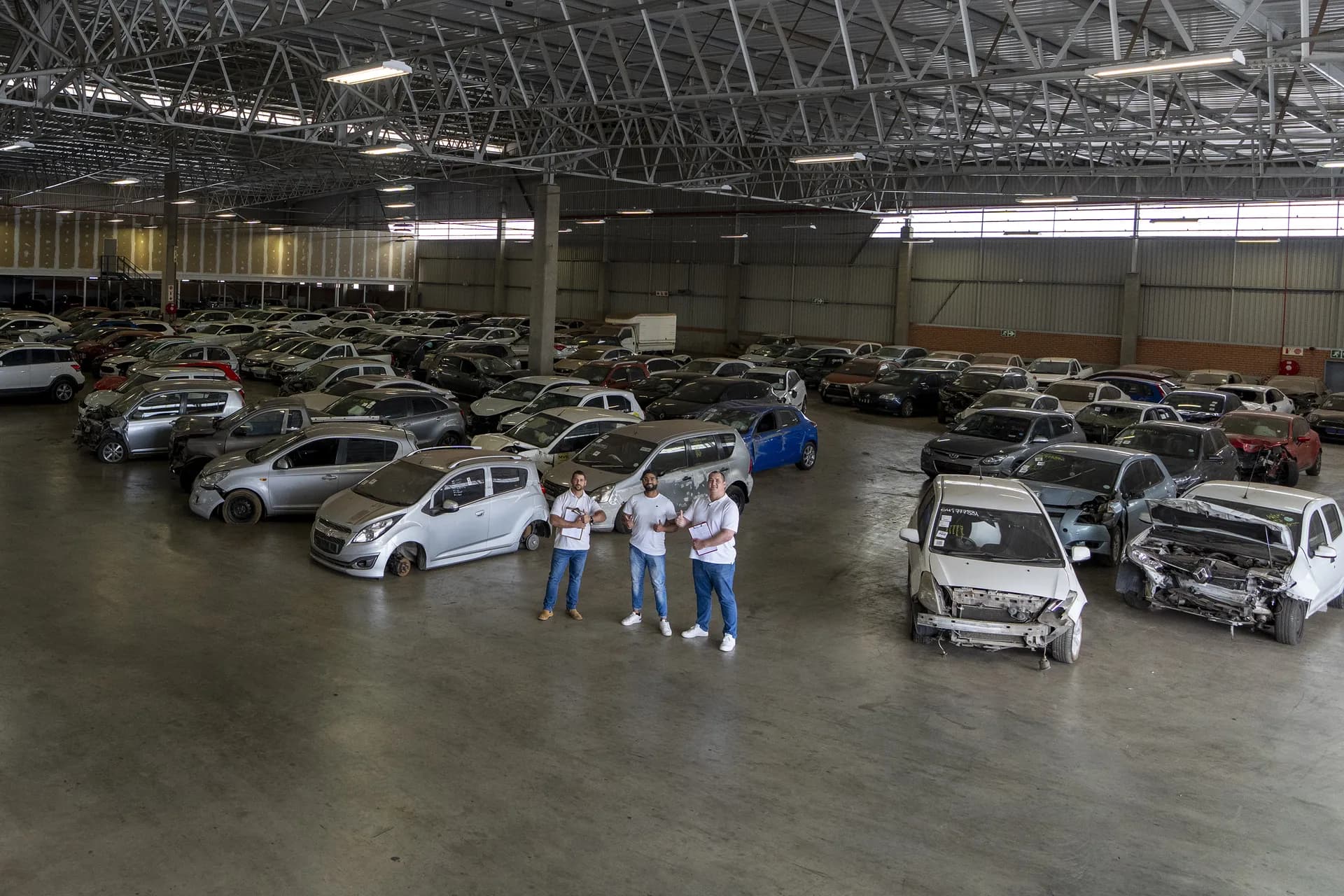
Overview: Selling an Accident Damaged Car
Selling an accident damaged car requires a mix of practical, legal and market considerations. Whether your vehicle is a non-runner, written off by insurance, or has repairable damage, knowing how to handle the sale protects your finances and reduces admin headaches. This guide explains when to sell vs repair, how the sale process works in South Africa, what paperwork is required, and sensible tips to maximise your cash offer. The advice below is tailored to South African owners in Johannesburg, Cape Town, Durban and surrounding areas.
When to Sell vs Repair
Deciding whether to repair or sell depends on repair cost, vehicle market value, safety and how quickly you need money or free storage space. Use the following practical considerations:
- Repair estimate compared to current market value: if repairs exceed 40-60% of market value, selling is often rational.
- Safety and roadworthiness: structural or airbag damage can be costly and affect resale value even after repair.
- Time and cash flow: dealers and specialised buyers often provide faster liquidity than private repairs and resale.
- Insurance write-off status: if the insurer has written the car off, selling to a salvage buyer may be simpler.
| Scenario | Typical Recommendation |
|---|---|
| Repair cost > 60% of market value | Sell to a specialist buyer or salvage market |
| Structural or airbag damage | Prefer sale to recovery/salvage buyers for safety certainty |
| Minor cosmetic damage | Repair may increase private-sale value |
How the Sale Process Typically Works
A streamlined sale of an accident damaged car follows clear stages: documentation and photos, valuation, offer acceptance, paperwork handover and vehicle collection. Specialist buyers (including those who buy salvage) will often handle towing and deregistration for you.
- Prepare clear photos and a concise damage description.
- Submit details to multiple buyers for comparison; expect offers based on condition and salvage demand.
- Check buyer inclusions: free towing, paperwork handling and payment timing.
- Accept an offer, complete sale documentation, arrange collection and confirm payment method.
South Africa note
Many reputable buyers in South Africa provide free nationwide towing and handle deregistration; this is particularly useful if your car is non-running or located in a major centre such as Johannesburg, Cape Town or Durban.
Repair Cost vs Value Retained (example, South Africa)
The table below uses illustrative figures in R to show how repair spend can compare to value retained after repair. These are example ranges and vary by make, model and age.
| Repair Estimate (R) | Likely Value Retained (R) | Implication |
|---|---|---|
| Under R10,000 | Most cases increase saleability | Repair often makes sense |
| R10,000 - R40,000 | Partial value recovery depending on damage | Consider market demand and downtime |
| Over R40,000 | Often less than repair cost recovered | Selling as damaged is frequently better |
If you need more immediate cash and minimal admin, specialist buyers who accept vehicles in any condition are often the fastest route. For step-by-step selling of non-running cars see sell-non-running-car-free-tow-south-africa and for a broader overview see selling-a-scrap-car-in-south-africa on our site.
Legal & Paperwork Specifics in South Africa
Proper documentation reduces legal risk. Key steps when transferring an accident damaged car in South Africa include clear title transfer, notifying your insurer (if applicable), settling outstanding finance, and arranging deregistration where required.
Checklist: Documents to Prepare
- Vehicle registration certificate (logbook) or proof of ownership.
- Clear copies of ID for the seller and buyer or company documents for fleet sales.
- Any motor finance settlement letters if the vehicle is still financed.
- Signed sale agreement and VAT documentation where applicable.
If the vehicle is under finance, contact your lender early. Many buyers will not complete a purchase until finance is settled or a lender provides written consent; some will assist with settlement as part of the purchase process. Always obtain a written statement showing that finance has been cleared before releasing the vehicle.
Damage Types vs Typical Offer Impact
| Damage Type | Typical Offer Impact |
|---|---|
| Cosmetic (bumper, paint) | Small reduction if easy to repair |
| Mechanical (engine, gearbox) | Larger reduction; buyer risk higher |
| Structural/airbag deployment | Significant reduction; often sold to salvage specialists |
| Flood or fire damage | Major reduction; specialist buyers only |
Tips to Maximise Your Offer
- Provide high-quality photos from multiple angles and detailed notes about the damage and maintenance history.
- Be transparent about accidents and repairs - honesty speeds up offers and reduces disputes.
- Get several valuations from reputable buyers to compare offers; ensure each quote lists inclusions (towing, paperwork, payment timing).
- If you have minor, low-cost repairs that materially improve value (for example, replacing tyres or batteries), compare the cost of repair vs expected uplift carefully using local market prices.
What Happens After Collection
After you hand over the vehicle, the buyer should provide a written receipt and confirm that payment and any deregistration steps are complete. Expect the buyer to handle dismantling, salvage resale or repairs in line with South African standards. Keep copies of all paperwork for at least six months.
Practical Example (South Africa)
A private owner in Cape Town with a 2010 hatchback that is non-running and has structural front-end damage might receive several offers. One buyer offers to collect for free, handle deregistration and pay immediately after inspection; another asks the seller to arrange towing. Choosing the buyer who handles towing and paperwork reduces out-of-pocket costs and administrative time even if the cash offer is similar.
Sources
- South African Government - Vehicle registration and licensing guidance
- Road Traffic Management Corporation (RTMC) - Road traffic information for South Africa
- AA South Africa - Advice on buying, selling and towing vehicles
- National Credit Regulator (NCR) - Guidance when vehicles are under finance
For further detail on selling specialised vehicles, see Sell Non-Running Car and Sell Damaged Cars on our site, and review How to Avoid Being Scammed for safe-selling practices when dealing with third-party buyers.
Seasoned automotive specialists dedicated to helping you turn your damaged or non-running vehicle into cash fast and hassle-free.
Disclaimer: This content is for educational purposes only. Product availability, pricing, and specifications are subject to change. Always verify current details on the retailer's website before making a purchase. We may earn affiliate commissions from qualifying purchases.
Why sell your damaged car to us?

A Division of Auction Nation, the leading expert in selling damaged cars

Best price for your damaged car

Get a cash offer within 24h

We buy damaged cars in any condition

We buy accident- damaged cars still under finance

Free, no obligation offer on your vehicle
How We Calculate Your Damaged Car’s Value
Wondering how we calculate your car’s value? At Sell Your Damaged Car, we look at: Your car’s real condition, its salvage value, and the current market demand. It’s all about honesty, transparency, and fairness — that’s how we determine your offer.
Frequently Asked Questions
Get answers to common questions about Selling Guides
Why Choose Sell Your Damaged Car?
Free Towing
Need a tow? We got you
Hassle Free
Get a cash offer within 24h!
Nationwide
Somewhere remote? No problem!
