
Understanding the Process of Car Removal in South Africa - Step-by-Step Guide
Learn the step-by-step process of car removal in South Africa: online valuation, free towing, paperwork (including deregistration and finance), and post-collection steps.
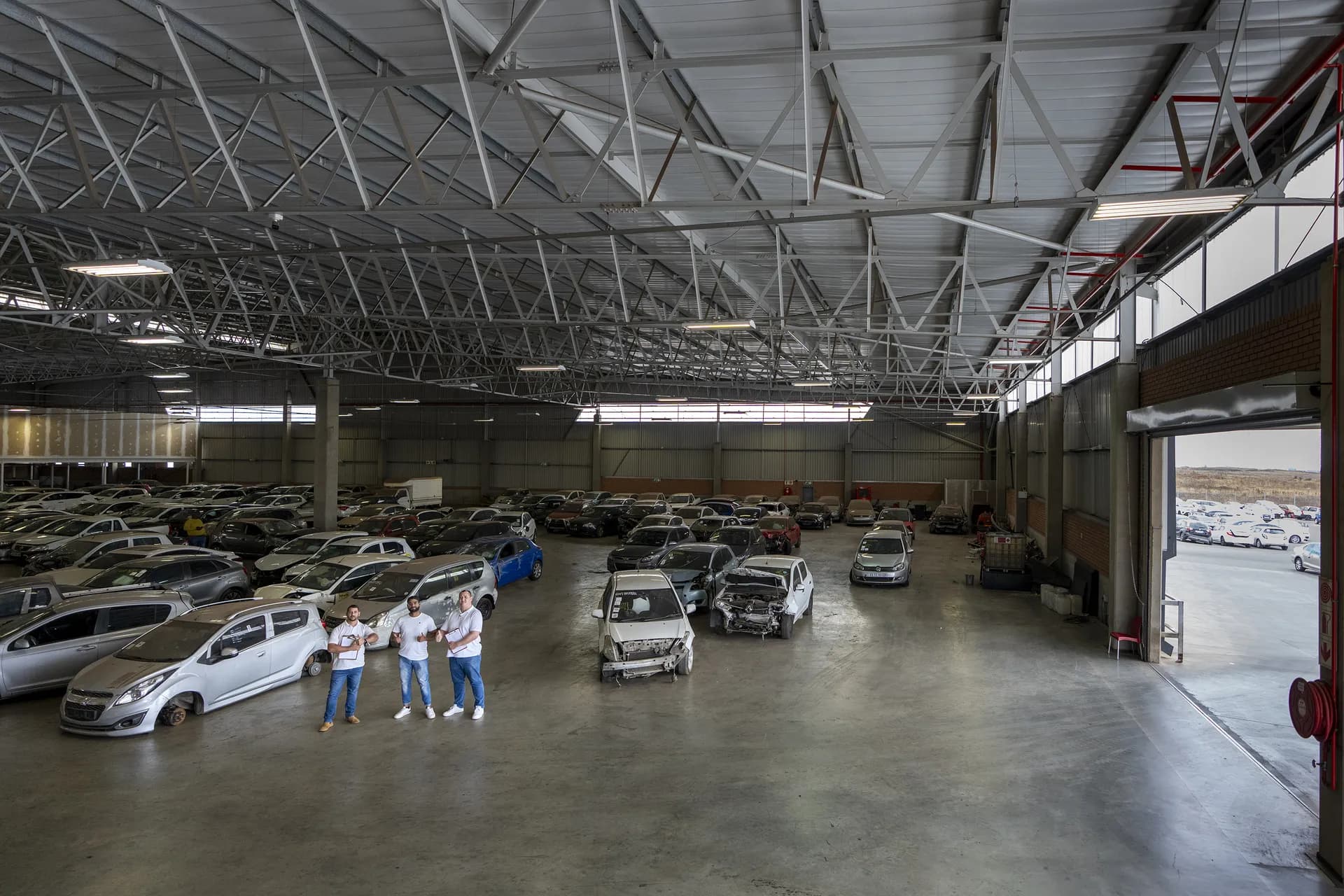
Overview: What 'car removal' means
Understanding the process of car removal helps South African owners of damaged, non-running or written-off vehicles make informed choices. Car removal describes the full journey from submitting vehicle details for a valuation, accepting an offer, arranging collection (towing) and completing the legal transfer or deregistration. Services-like Sell Your Damaged Car-buy vehicles in any condition and offer free towing, paperwork handling and quick payment nationwide.
When people choose car removal
- Accident-damaged or written-off vehicles where repair costs exceed practical value.
- Non-running cars with major mechanical faults or missing parts.
- Fleet vehicles that are surplus, damaged or uneconomical to repair.
- Owners who want a fast, low-hassle alternative to private sale or scrap yards.
Core benefits to expect
- Free nationwide towing for collection across Johannesburg, Cape Town, Durban and surrounding areas.
- Assistance with paperwork, including transfer or deregistration and handling vehicles under finance (subject to lender processes).
- Transparent online valuation and a competitive cash offer based on condition and salvage market demand.
Quick note: The exact steps and documents required vary slightly depending on vehicle condition, whether the car is registered to an individual or company, and if it is bonded (under finance). Always check with your finance provider if there's an outstanding balance before finalising removal.
When to choose removal instead of repair
Deciding whether to repair or remove a vehicle depends on repair costs, vehicle market value, safety and time. Use the car removal route when repair estimates approach or exceed the vehicle's market value, or when safety or regulatory compliance is uncertain.
| Situation | Repair vs Remove |
|---|---|
| Minor damage (cosmetic) | Often repair; removal may give lower return. |
| Structural/frame damage | Usually remove-repairs are costly and reduce resale trust. |
| Non-running due to engine or transmission failure | Remove if repair cost exceeds expected recovered value. |
| Flood or fire damage | Typically remove; specialist salvage market handles parts and recycling. |
How the car removal process works (step-by-step)
Understanding the process of car removal includes familiarising yourself with the usual sequence of steps most reputable buyers follow. Below is a practical step-by-step outline that reflects common South African practices.
1. Submit vehicle details online
Provide make, model, year, mileage, a clear description of the damage, and photos. Accurate photos and honest descriptions speed up valuation and reduce revisions.
2. Receive an obligation-free offer
Offers are calculated from the vehicle's pre-damage market value, current condition, salvage demand and expected repair or dismantling costs. The offer should be transparent about how condition affected the valuation.
3. Accept and arrange collection
Once you accept, collection (towing) is scheduled. Many services provide free towing nationwide. Expect the collector to inspect the vehicle at pickup and verify documentation.
4. Paperwork, transfer and payment
Professional buyers handle the necessary paperwork: proof of ownership, seller ID, a written receipt and transfer or deregistration processes. Payment is typically released once paperwork is completed and ownership is clear. If the vehicle is bonded, the buyer will coordinate with the finance provider to settle the outstanding balance.
5. Post-collection steps
- Buyer processes deregistration or transfer with the relevant authorities.
- Seller should confirm bank payment and receive a copy of the signed transfer receipt.
- Keep records: offer, receipt, transfer documents and any correspondence for at least 12 months.
For more specific pages on options for non-running or damaged cars, see Sell Non-Running Car and Sell Damaged Cars. To protect yourself during any sale, review guidance on How to Avoid Being Scammed.
Legal and paperwork considerations in South Africa
Understanding the process of car removal must include the legal steps. South African transfer and deregistration rules apply whether you sell to a private buyer or a specialist purchaser. Key documents typically required are:
- Valid ID (original), proof of ownership (vehicle registration certificate) and the original registration card or a written letter if the document is missing.
- A written and signed receipt/contract showing the sale, buyer and seller details, VIN, odometer reading and agreed price.
- If the vehicle is under finance, clear communication and settlement with the finance provider so the lender can release the outstanding debt and endorse transfer documents.
Deregistration vs transfer
Deregistration removes the vehicle from your name (common for salvage exported or scrapped vehicles); transfer moves ownership to the buyer. A reputable car removal company will explain which is appropriate and assist with required forms and submissions to the licensing department.
| Issue | Typical handling |
|---|---|
| Outstanding finance | Buyer coordinates payout to lender; seller receives any surplus after settlement. |
| Missing registration papers | Replacement documents required or a sworn affidavit may be needed; specialist buyers can advise. |
| Stolen or flagged vehicles | Sale cannot proceed until issues are resolved with SAPS and licensing bodies. |
Tips to get a smoother car removal experience
- Provide clear photos: multiple angles, interior and close-ups of damage to speed up accurate offers.
- Be transparent about history: prior accidents, flood exposure, or major repairs affect valuation.
- Check identification and credentials of buyer: insist on written offers and an itemised receipt at collection.
- Have bank details ready for payment and keep copies of all signed documents after collection.
- If the car is bonded, inform the finance provider early to avoid delays on settlement and transfer.
What happens after collection
After collection the buyer typically moves the vehicle to a dismantling yard, rebuild facility, export processing or recycling centre depending on condition and market demand. The buyer completes deregistration or transfer and finalises any outstanding finance settlements. Sellers should receive a final receipt and confirmation that the vehicle has been removed from their name or that transfer is in progress.
Practical South Africa examples
Example 1: A private owner in Johannesburg with a non-running bakkie provides photos and receives a fast, obligation-free offer; collection is scheduled for a weekday morning, paperwork is completed at pickup, and payment clears into the seller's bank account within 24-48 hours. Example 2: A small Cape Town fleet operator sells several written-off vehicles; the buyer arranges grouped collection, handles settlement of outstanding finance on selected units, and provides consolidated transfer documentation.
Sources
Seasoned automotive specialists dedicated to helping you turn your damaged or non-running vehicle into cash fast and hassle-free.
Disclaimer: This content is for educational purposes only. Product availability, pricing, and specifications are subject to change. Always verify current details on the retailer's website before making a purchase. We may earn affiliate commissions from qualifying purchases.
Why sell your damaged car to us?

A Division of Auction Nation, the leading expert in selling damaged cars

Best price for your damaged car

Get a cash offer within 24h

We buy damaged cars in any condition

We buy accident- damaged cars still under finance

Free, no obligation offer on your vehicle
How We Calculate Your Damaged Car’s Value
Wondering how we calculate your car’s value? At Sell Your Damaged Car, we look at: Your car’s real condition, its salvage value, and the current market demand. It’s all about honesty, transparency, and fairness — that’s how we determine your offer.
Frequently Asked Questions
Get answers to common questions about Legal And Paperwork
Why Choose Sell Your Damaged Car?
Free Towing
Need a tow? We got you
Hassle Free
Get a cash offer within 24h!
Nationwide
Somewhere remote? No problem!
