
How to Evaluate Damaged Fleet Car Value in South Africa - Practical Guide
Step-by-step South Africa guide to assess damaged fleet car value: document damage, estimate repair costs, compare salvage options and account for finance, downtime and deregistration.
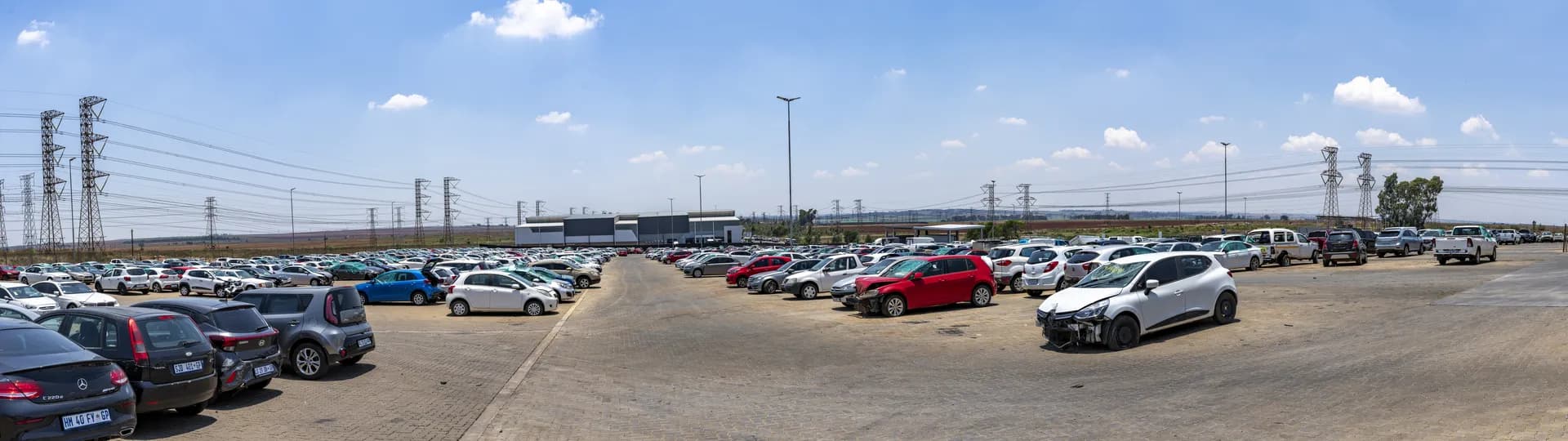
Overview: Why a clear valuation matters for fleet owners
Fleet managers and small business owners need reliable methods to evaluate damaged fleet car value so they can make cost-effective decisions: repair, sell to a specialist buyer, or declare a write-off. This guide explains how to assess condition, estimate repair costs versus retained value, and account for South Africa-specific factors such as salvage demand, deregistration, and vehicles under finance.
Key steps in valuing a damaged fleet vehicle
- Document the vehicle and damage thoroughly.
- Get an initial market valuation for the vehicle undamaged.
- Estimate repair costs from qualified workshops or insurers.
- Adjust for soft costs: downtime, admin, towing, and deregistration.
- Compare repair cost vs retained value and salvage/resale options.
Documenting condition and damage
Start with a clear record: date, location, mileage, service history and photos covering all angles and close-ups of damage. Note whether the vehicle is drivable, if airbags deployed, any frame or structural impact, and mechanical symptoms (no start, smoke, fluid leaks). For fleet cars, include fleet ID, usage profile and any commercial fit-outs that affect value.
Market valuation: what the car would be worth undamaged
Use recent sale data for South Africa - local dealer listings, online classifieds, and trade guides - to establish a baseline market value. For example, if a 2017 compact bakkie typically trades for around R150,000 in good condition, that figure is your starting point before damage adjustments. Emphasise region: values differ between Johannesburg, Cape Town and Durban due to demand and logistics.
Estimate repair costs
Obtain at least one detailed repair estimate from a reputable panel beater or mechanic, and if possible an insurer's assessment. Repairs should be broken down (parts, labour, paint, alignment, electronics). For fleet decisions, also estimate indirect costs: vehicle downtime (lost revenue), rental replacement, and admin time.
| Repair cost vs value retained (example) | Repair cost (R) | Estimated retained market value post-repair (R) | Decision guidance |
|---|---|---|---|
| Minor cosmetic & panel damage | R5,000 - R15,000 | ~90-95% of baseline | Repair likely cost-effective for high-use fleet units |
| Moderate structural or mechanical | R20,000 - R60,000 | ~60-85% of baseline | Consider repair only if long remaining service life justifies downtime |
| Severe frame, flood or engine loss | R60,000+ | <50% of baseline | Often better to sell to salvage buyer or specialist |
Practical note: Repair estimates in South Africa can vary by region - labour rates and parts availability in Cape Town, Johannesburg and Durban may affect costs materially. For fleet decisions, include an hourly rate cost for downtime (e.g., R300-R800 per hour depending on revenue impact).
Damage types and their typical impact on offers
| Damage type | Typical impact on offer | Considerations |
|---|---|---|
| Cosmetic/Minor Panel | Small reduction | Quick, low-cost repairs; good candidate for repair if downtime acceptable |
| Structural/Frame | Significant reduction | Affects safety and resale; many buyers prefer salvage |
| Flood / Water Damage | Major reduction | Electrical risk; buyers pay a premium discount for reliability uncertainty |
| Engine / Transmission Failure | Major to total reduction | Repair costs often exceed retained value unless low-cost replacements available |
| Fire Damage | Severe reduction | Often declared write-offs; salvage market suited for parts/recycling |
Accounting for salvage and specialist buyers
Specialist buyers in South Africa purchase vehicles for parts, export, or repair. Their offers reflect the expected salvageable value minus towing and administrative costs. When comparing repair vs selling to a specialist, include free towing and paperwork handling if available - these reduce your net disposition costs. For Sell Your Damaged Car's process, sellers upload vehicle details and images, receive an offer, and if accepted, the vehicle is collected with paperwork handled and payment released quickly.
Legal, finance and paperwork considerations in South Africa
Check whether the vehicle is under finance: if so, settlement with the finance house is required before transfer or sale can complete. Deregistration and transfer procedures vary; reputable buyers often assist with deregistration and provide the necessary documents. Keep records of the accident report (if applicable), maintenance history and any insurer communications. For guidance on non-running vehicles and selling damaged cars, see the Sell Non-Running Car and Sell Damaged Cars resources.
Practical tips to maximise fleet sale value
- Provide complete documentation and clear photos (multiple angles, engine bay, VIN, odometer).
- Be transparent about condition; undisclosed issues reduce trust and final offers.
- Remove personal or fleet-identifying items and detail any recent servicing or parts replaced.
- Compare at least two routes: repair & return to service vs selling to a specialist buyer.
- For vehicles under finance, get a settlement figure and evaluate net position after settlement and fees.
Decision framework: repair, sell private, or sell to a specialist
Use a simple financial decision test: if (repair cost + soft costs) < (expected retained market value - administrative time and risk), repair may be justified. If not, selling to a specialist or salvage buyer typically yields a quicker, lower-risk outcome. Factor non-financial elements: urgency to free capital, fleet replacement timelines, and risk tolerance for future faults.
What happens after you accept an offer
With a professional buyer that handles towing and paperwork, the usual steps are: accept offer, schedule free collection, sign transfer paperwork (or provide authority to handle deregistration), and receive payment once collection and document verification are complete. For fleet vehicles, ensure removal of any company-specific equipment and settle outstanding fines or toll accounts prior to handover.
Sources
- Road Traffic Act & vehicle registration guidance (South African authorities) - rtaa.co.za
- South African salvage and trade standards - sabeta.org.za
- Government services and consumer protection information - gov.za
- Sell Non-Running Car (Sell Your Damaged Car)
- Sell Damaged Cars (Sell Your Damaged Car)
- How the process works (Sell Your Damaged Car)
Seasoned automotive specialists dedicated to helping you turn your damaged or non-running vehicle into cash fast and hassle-free.
Disclaimer: This content is for educational purposes only. Product availability, pricing, and specifications are subject to change. Always verify current details on the retailer's website before making a purchase. We may earn affiliate commissions from qualifying purchases.
Why sell your damaged car to us?

A Division of Auction Nation, the leading expert in selling damaged cars

Best price for your damaged car

Get a cash offer within 24h

We buy damaged cars in any condition

We buy accident- damaged cars still under finance

Free, no obligation offer on your vehicle
How We Calculate Your Damaged Car’s Value
Wondering how we calculate your car’s value? At Sell Your Damaged Car, we look at: Your car’s real condition, its salvage value, and the current market demand. It’s all about honesty, transparency, and fairness — that’s how we determine your offer.
Frequently Asked Questions
Get answers to common questions about Selling Guides
Why Choose Sell Your Damaged Car?
Free Towing
Need a tow? We got you
Hassle Free
Get a cash offer within 24h!
Nationwide
Somewhere remote? No problem!
