
How to Calculate the Value of a Written-Off Car in South Africa
Learn to estimate the value of a written-off car in South Africa. Understand codes, key factors, and get clear tips for accurate, fair assessment before selling.
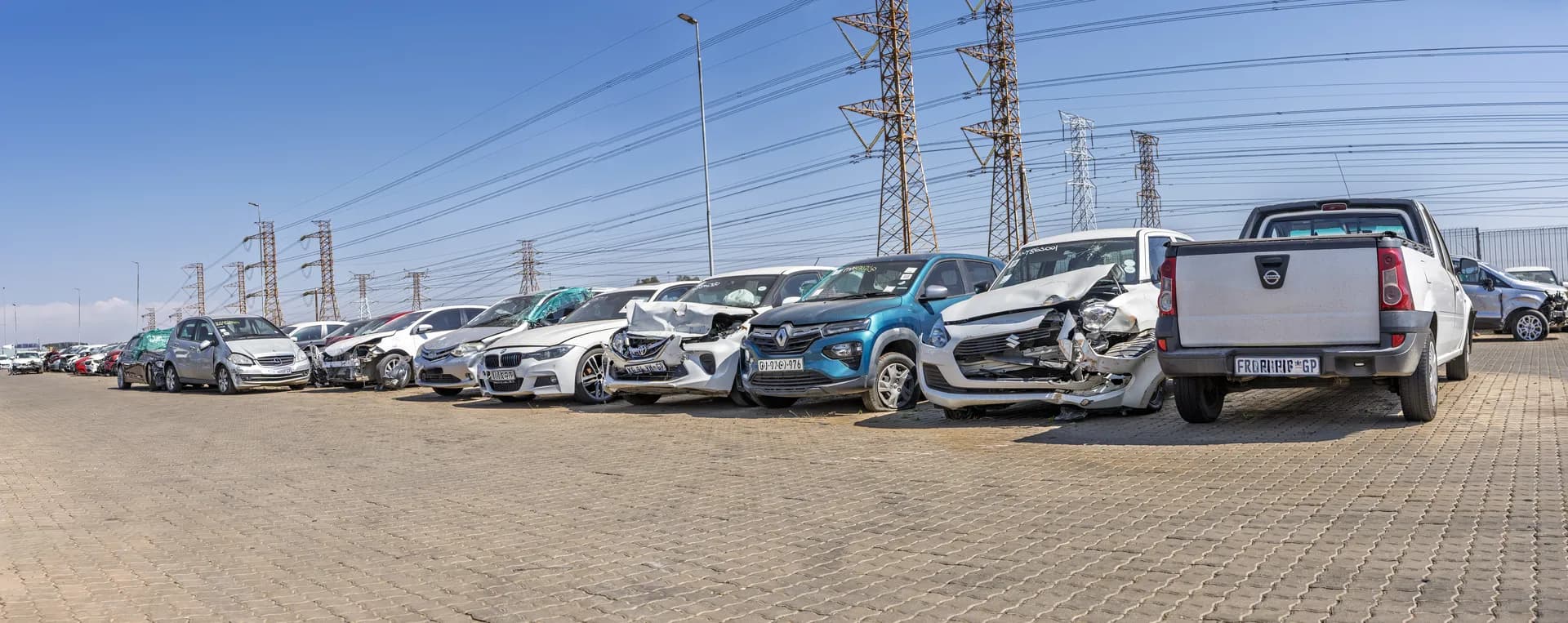
Overview: The Written-Off Car Value Calculation Process
In South Africa, having your car declared a write-off-whether due to accident, flood, fire, or serious mechanical failure-can feel overwhelming. Knowing your vehicle's post-write-off value is key to making informed decisions, especially if you're considering selling to a salvage dealer or service like Sell Your Damaged Car. This guide explains the main valuation factors, typical market practices, and how to estimate what your vehicle might be worth after major damage.
What is a Written-Off Car?
A "written-off" car, in South African context, is declared uneconomical to repair by insurers or authorities, often for safety or economic reasons. It's then coded according to SA's salvage categories-like Code 2 (economic repairable), Code 3 (rebuilt after write-off), or Code 4 (permanently unfit for the road). The code significantly impacts resale and salvage value.
Major Factors Affecting Value
- Vehicle pre-accident market value (make, model, year, mileage, extras)
- Severity and type of damage (body, mechanical, electrical, water, fire)
- Salvage demand for parts and panels
- Age and rarity (older but uncommon models can sometimes fetch more for parts)
- Remaining usable components (engine, transmission, wheels, electronics)
- Current licensing or finance status (outstanding finance must be settled first)
Table 1: Typical Value Retention for Written-Off Cars
| Write-Off Code | Common Description | Estimated Value Range* |
|---|---|---|
| Code 2 | Repairable with major damage | 30-60% of pre-accident value |
| Code 3 | Rebuilt after being written off | 10-30% of market value |
| Code 4 | Irreparable/scrap only | Sold by weight (typically R2-R10/kg) |
*Approximate ranges-actual offers depend on damage type, vehicle details, and market conditions.
When to Sell a Written-Off Car vs Attempt Repair
Many owners want to know if it's worth trying to repair the car before selling. In most cases, major accident or flood damage causes repair costs to exceed the restored value-especially with Code 3/4 vehicles, which are often not legally returnable to the road.
Table 2: Repair Cost vs Value Retained
| Scenario | Average Repair Cost (R) | Value Retained Post-Repair (%) |
|---|---|---|
| Major collision, airbag deployed | 60,000-130,000 | Less than 50% |
| Flood or fire damage | Variable (usually high) | 10-30% |
| Mechanical failure, engine/gearbox | 20,000-100,000 | 20-40% |
Given these figures, many South African owners opt to sell their written-off vehicle directly for salvage value, especially where the total loss is clear.
How to Calculate Your Written-Off Car's Value: Step-by-Step
- Find the pre-accident market value: Use tools like TransUnion, get dealer quotes, or browse similar used car listings in South Africa.
- Determine the write-off code: Check your insurance documentation or vehicle registration (NaTIS) for Code 2, 3, or 4.
- Assess major damage categories: List affected panels, note mechanical/electrical faults, and consider water/fire exposure.
- Estimate salvage value: Apply the value percentage from the earlier table based on your code and damage-e.g., Code 3 typically retains 10-30% of market value.
- Account for extras: Factory options, newer parts, or high-demand engines/gearboxes may improve your valuation.
Common Damage Types vs Typical Offer Impact
| Damage Type | Effect on Value | Notes |
|---|---|---|
| Front-end collision | Significant drop | Structural damage = low salvage value |
| Water or fire | Severe reduction | Many components usually unsalvageable |
| Minor accident | Moderate impact | Panels/parts recovery possible |
| Mechanical breakdown only | Varies | High demand for undamaged parts |
Tips to Get the Most Accurate Valuation
- Take clear photos of all damage, VIN, and mileage.
- Disclose all major faults (hidden issues can affect offers).
- Check recent salvage auction prices as a reference.
- Use reputable car-buying services that specialise in damaged/accident vehicles for transparent, SA-specific offers.
What Happens After Valuation?
Once you've estimated your car's value, you can:
- Request a competitive cash offer and schedule free collection with a specialist like Sell Your Damaged Car.
- Complete deregistration at your local traffic office or online (for Codes 3 and 4).
- Receive payment after paperwork is finalised-be sure to get written confirmation of sale and deregistration.
Professional buyers simplify the process, arrange towing at no charge anywhere in SA, and help you avoid scams or regulatory headaches. Always retain records of all communication and transactions.
Sources
Seasoned automotive specialists dedicated to helping you turn your damaged or non-running vehicle into cash fast and hassle-free.
Disclaimer: This content is for educational purposes only. Product availability, pricing, and specifications are subject to change. Always verify current details on the retailer's website before making a purchase. We may earn affiliate commissions from qualifying purchases.
Why sell your damaged car to us?

A Division of Auction Nation, the leading expert in selling damaged cars

Best price for your damaged car

Get a cash offer within 24h

We buy damaged cars in any condition

We buy accident- damaged cars still under finance

Free, no obligation offer on your vehicle
How We Calculate Your Damaged Car’s Value
Wondering how we calculate your car’s value? At Sell Your Damaged Car, we look at: Your car’s real condition, its salvage value, and the current market demand. It’s all about honesty, transparency, and fairness — that’s how we determine your offer.
Frequently Asked Questions
Get answers to common questions about Selling Guides
Why Choose Sell Your Damaged Car?
Free Towing
Need a tow? We got you
Hassle Free
Get a cash offer within 24h!
Nationwide
Somewhere remote? No problem!
