
How Salvage Yards Dismantle Cars for Parts in South Africa: A Step-by-Step Guide
See how licensed South African salvage yards professionally dismantle damaged cars, retain usable parts, recycle shells and comply with SA laws. Full step-by-step process explained.
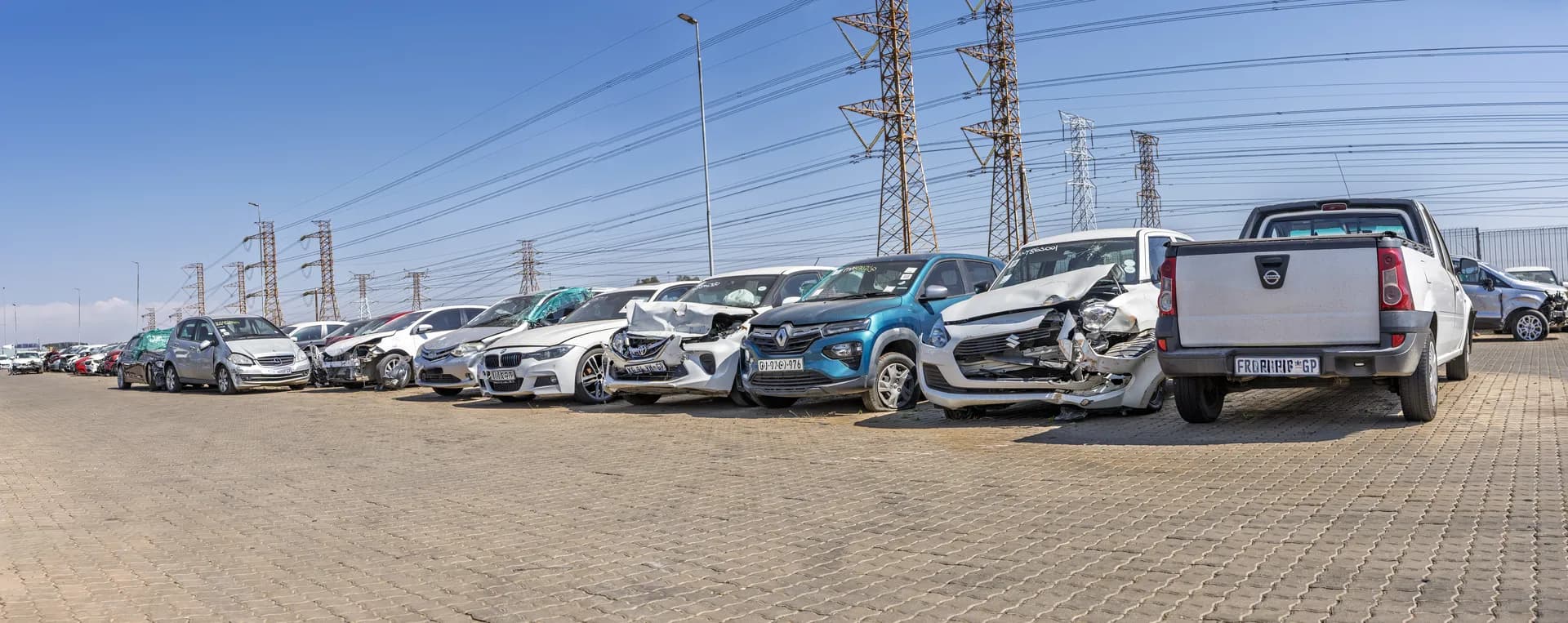
Overview: What Happens When a Damaged Car Reaches a Salvage Yard
When vehicles are written off, non-running, or heavily damaged, many South African owners turn to salvage yards as a straightforward way to dispose of their old cars and unlock value through spare parts. But what actually happens to your car once it enters the salvage process? Here, we break down the dismantling procedures, regulatory context, and what this means for car owners and salvage operators alike.
Why Cars Are Dismantled and the Role of Salvage Yards
Salvage yards specialise in breaking down damaged, written-off, and non-running vehicles for individual components. Demand for used spares in SA is high, given the cost of new OEM parts and the need to keep older vehicles roadworthy. The dismantling process must ensure safety, legal compliance, and environmental responsibility while maximising usable stock for resale.
- Recover usable parts (engines, gearboxes, body panels, electronics, etc.)
- Safely dispose of or recycle hazardous materials (fluids, airbags, batteries)
- Comply with environmental and legal requirements (including Certificate of Destruction and deregistration)
- Offer cost-effective spares back to the market
Step-by-Step: How Salvage Yards Dismantle Vehicles
Dismantling a car is a multistep, systematic procedure. Here's how it typically works in South Africa's licenced salvage yards:
| Step | Description |
|---|---|
| 1. Initial Intake & Inspection | Vehicle details, VIN, and condition recorded. Ownership documentation is checked. |
| 2. Decontamination & Safety Prep | Fluids drained, airbags/pyrotechnics neutralised, and batteries safely removed. |
| 3. Major Component Removal | Engine, gearbox, axles, and suspension stripped out using specialist tools. |
| 4. Parts Grading & Stocking | Usable parts are assessed, tagged for quality, and logged in inventory for resale. |
| 5. Shell Processing & Material Recycling | Bare bodies are crushed, shredded, or sent for recycling as scrap metal. |
Each step is strictly controlled for safety and environmental impact, especially when dealing with hazardous substances. Many professional salvage yards in Johannesburg, Cape Town, Durban, and surrounds operate within national health and transport regulations.
Types of Damage and Typical Part Recovery
| Damage Type | Usable Parts Typically Salvaged |
|---|---|
| Accident Impact (Front/Rear) | Undamaged engine, interior, electronics, opposite-end body panels |
| Mechanical Failure (Non-Runner) | Bodywork, interior, glass, working electrics |
| Flood or Fire Damage | Non-exposed mechanicals, select electronics (case-by-case) |
Legal and Environmental Compliance in SA Dismantling
All licenced salvage yards in South Africa must follow strict environmental and legal protocols. Key points include:
- Deregistration: After dismantling, the vehicle's details must be updated with the relevant local licensing authority to reflect "deregistered/destroyed" status.
- Hazardous Waste Handling: Oils, coolants, brake fluids, and batteries are disposed of or recycled through accredited channels.
- Record-Keeping: Full audit trails are maintained-important for both salvage yards and previous owners.
Maximising the Value of Your Damaged Vehicle
If selling a damaged car to a salvage yard or service like Sell Your Damaged Car, provide a complete list of parts, disclose known damage, and include clear photos. This transparency ensures fair value for both parties and easier processing on arrival. For vehicles under finance or with insurance blocks, confirm administrative clearance before arranging collection or sale.
After Dismantling: Where Do the Parts Go?
Recovered components are graded and stocked to supply private owners, workshops, and businesses. Some parts-especially engines, gearboxes, and electronics-are in high demand, while less cost-effective items are recycled or disposed of. The vehicle's shell and non-reusable items are sent to metal processors, further supporting recycling markets in SA.
The South African Salvage Market Context
With spares demand rising and the cost of new components increasing, salvage dismantling plays a vital role in keeping older vehicles operational, cutting repair costs, and reducing automotive waste nationwide. Sell Your Damaged Car partners only with compliant, reputable salvage players-ensuring environmental and legal obligations are always met throughout the process.
Sources
Seasoned automotive specialists dedicated to helping you turn your damaged or non-running vehicle into cash fast and hassle-free.
Disclaimer: This content is for educational purposes only. Product availability, pricing, and specifications are subject to change. Always verify current details on the retailer's website before making a purchase. We may earn affiliate commissions from qualifying purchases.
Why sell your damaged car to us?

A Division of Auction Nation, the leading expert in selling damaged cars

Best price for your damaged car

Get a cash offer within 24h

We buy damaged cars in any condition

We buy accident- damaged cars still under finance

Free, no obligation offer on your vehicle
How We Calculate Your Damaged Car’s Value
Wondering how we calculate your car’s value? At Sell Your Damaged Car, we look at: Your car’s real condition, its salvage value, and the current market demand. It’s all about honesty, transparency, and fairness — that’s how we determine your offer.
Frequently Asked Questions
Get answers to common questions about Damage Types
Why Choose Sell Your Damaged Car?
Free Towing
Need a tow? We got you
Hassle Free
Get a cash offer within 24h!
Nationwide
Somewhere remote? No problem!
