
How Insurance Write-Offs Shape the Salvage Car Market in South Africa
Discover how insurance write-offs affect South Africa's salvage car industry, cash offers for damaged vehicles, and your selling options. Trusted guidance from Sell Your Damaged Car.
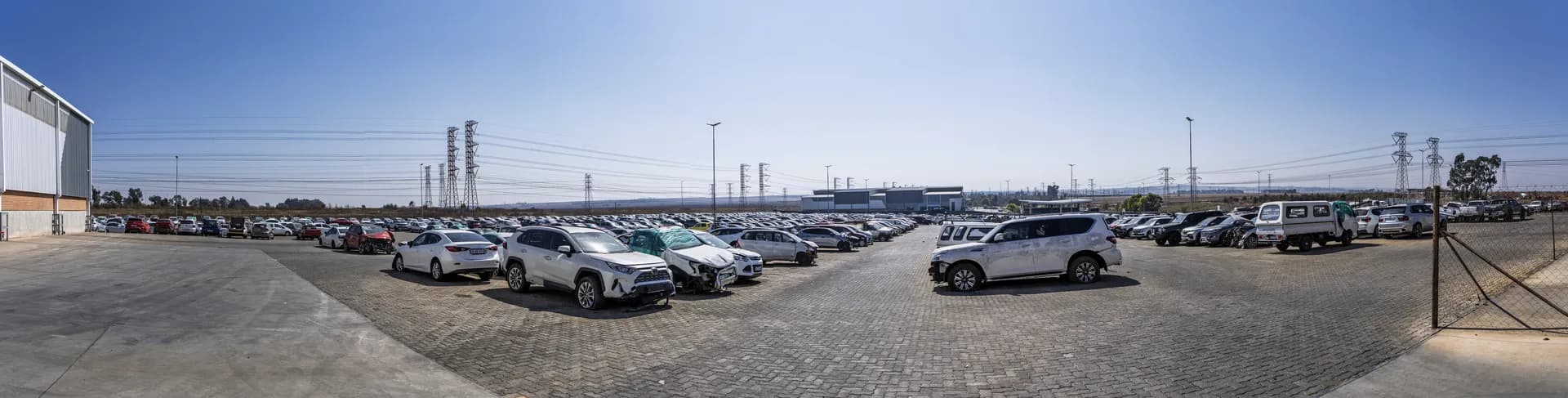
Overview: The Role of Insurance Write-Offs in the Salvage Sector
When an insured vehicle is severely damaged-whether in an accident, fire, flooding, or theft recovery-insurance companies sometimes declare it a "write-off." This means it is not economical to repair relative to its value. In South Africa, these insurance write-offs play a crucial role in the broader salvage car market, setting trends for pricing, available parts, and even consumer choices about selling damaged cars.
Understanding how write-offs work, what categories exist, and how these vehicles are traded or dismantled is vital for anyone with a damaged or non-running car. For private owners and fleet managers alike, knowing the implications can help you decide the right time and method to sell your vehicle for cash-and what to expect from the market.
What is an Insurance Write-Off?
An insurance write-off, sometimes termed "total loss," occurs when the cost of repairs plus potential additional expenses (like storage or towing) exceed a certain percentage-usually 60-70%-of the car's pre-accident market value. In these cases, insurers compensate the owner and take ownership, then sell the vehicle into the salvage stream for parts, rebuilding, or scrap.
| Write-Off Category | Description | Typical Outcome |
|---|---|---|
| Code 2 | Repairable but uneconomical to insure further | Often rebuilt or used for parts |
| Code 3 | Significantly damaged, may be rebuilt with clearance | Strict rules before any return to the road |
| Code 4 | Cannot be legally repaired | Vehicle must be scrapped for parts |
South African context: Codes are indicated on the vehicle registration and affect resale, registration, and insurance eligibility. For example, Code 3 vehicles usually require a full police clearance before being roadworthy again.
How Insurance Write-Offs Flow Into the Salvage Market
When an insurer writes off a car, it typically sells the vehicle at auction to registered salvage buyers or dismantlers. These businesses, including specialist car-buying services like Sell Your Damaged Car, assess the vehicle for possible resale, stripping, or recycling. The steady supply of insurance write-offs underpins prices for damaged vehicles of all kinds, setting a benchmark for what private owners can expect if they sell a non-running or accident-damaged car directly to industry buyers.
The Flow of Salvage Vehicles
- Damaged vehicles are assessed by insurers and assigned a write-off code
- Vehicles are sold via auction or direct sale, often in bulk
- Salvage yards, used parts dealers, and rebuilders purchase these stock for parts or repair
The Impact on Damaged Car Values
With insurance write-offs flooding the market, there's a direct impact on the value and demand for other damaged, non-running, or written-off cars. The abundance of parts and builder projects tends to cap the cash offers available to private sellers-meaning realistic expectations are essential when seeking to sell your vehicle. Offers from reputable buyers reflect both the market value of repairable write-offs and the resale or dismantling potential of each vehicle.
| Damage Type | Typical Salvage Offer Impact |
|---|---|
| Accident Damage (repairable) | Lower than market value due to repair risk; Code 2/3 status reduces resale value |
| Fire/Flood Damage | Likely classified Code 3/4; valued mainly for parts, offers usually lower |
| Mechanical Failure | If not written-off, valued for possible repair or stripping |
If you choose to sell directly (outside of an insurance claim), specialist car-buying services can often simplify the process. They typically handle the paperwork, tow the car for free, and pay quickly-even for vehicles not officially written-off.
Navigating the Process: Tips for South African Owners
- Check your vehicle's status to see if it's been written-off or deregistered. This will influence your sale options.
- Upload detailed photos and descriptions for accurate offers-mention accident, flood, or fire history.
- Choose buyers that handle deregistration and documentation, especially with Code 3/4 or financed vehicles.
- Be wary of unregistered buyers; always verify credentials to avoid salvage scams. Read our "How to Avoid Being Scammed" guide for tips.
What Happens After Collection?
Once a salvage car is collected, the process depends on its code and your agreement with the buyer. Vehicles may be:
- Broken down for parts (common for Code 4 or extensively damaged vehicles)
- Repaired and resold (in strict compliance with South African roadworthiness standards)
- Deregistered at NaTIS and removed from circulation, with your name cleared from liability
Professional buyers arrange all legal paperwork, helping you avoid months of admin and protecting you from future fines or responsibilities linked to the vehicle.
South Africa-Specific Notes
- Paperwork complexity is highest for Code 3/4 and financed cars; specialist buyers manage this for you
- Salvage buyers typically operate nationwide-in Johannesburg, Durban, Cape Town, and smaller regions-arranging free towing regardless of the car's location
Sources
Seasoned automotive specialists dedicated to helping you turn your damaged or non-running vehicle into cash fast and hassle-free.
Disclaimer: This content is for educational purposes only. Product availability, pricing, and specifications are subject to change. Always verify current details on the retailer's website before making a purchase. We may earn affiliate commissions from qualifying purchases.
Why sell your damaged car to us?

A Division of Auction Nation, the leading expert in selling damaged cars

Best price for your damaged car

Get a cash offer within 24h

We buy damaged cars in any condition

We buy accident- damaged cars still under finance

Free, no obligation offer on your vehicle
How We Calculate Your Damaged Car’s Value
Wondering how we calculate your car’s value? At Sell Your Damaged Car, we look at: Your car’s real condition, its salvage value, and the current market demand. It’s all about honesty, transparency, and fairness — that’s how we determine your offer.
Frequently Asked Questions
Get answers to common questions about Damage Types
Why Choose Sell Your Damaged Car?
Free Towing
Need a tow? We got you
Hassle Free
Get a cash offer within 24h!
Nationwide
Somewhere remote? No problem!
