
Fire-Damage Vehicle Inspection Tips for South African Owners
Step-by-step inspection tips for fire-damaged vehicles in South Africa: assess damage, understand repair vs sell decisions, document for offers and paperwork.
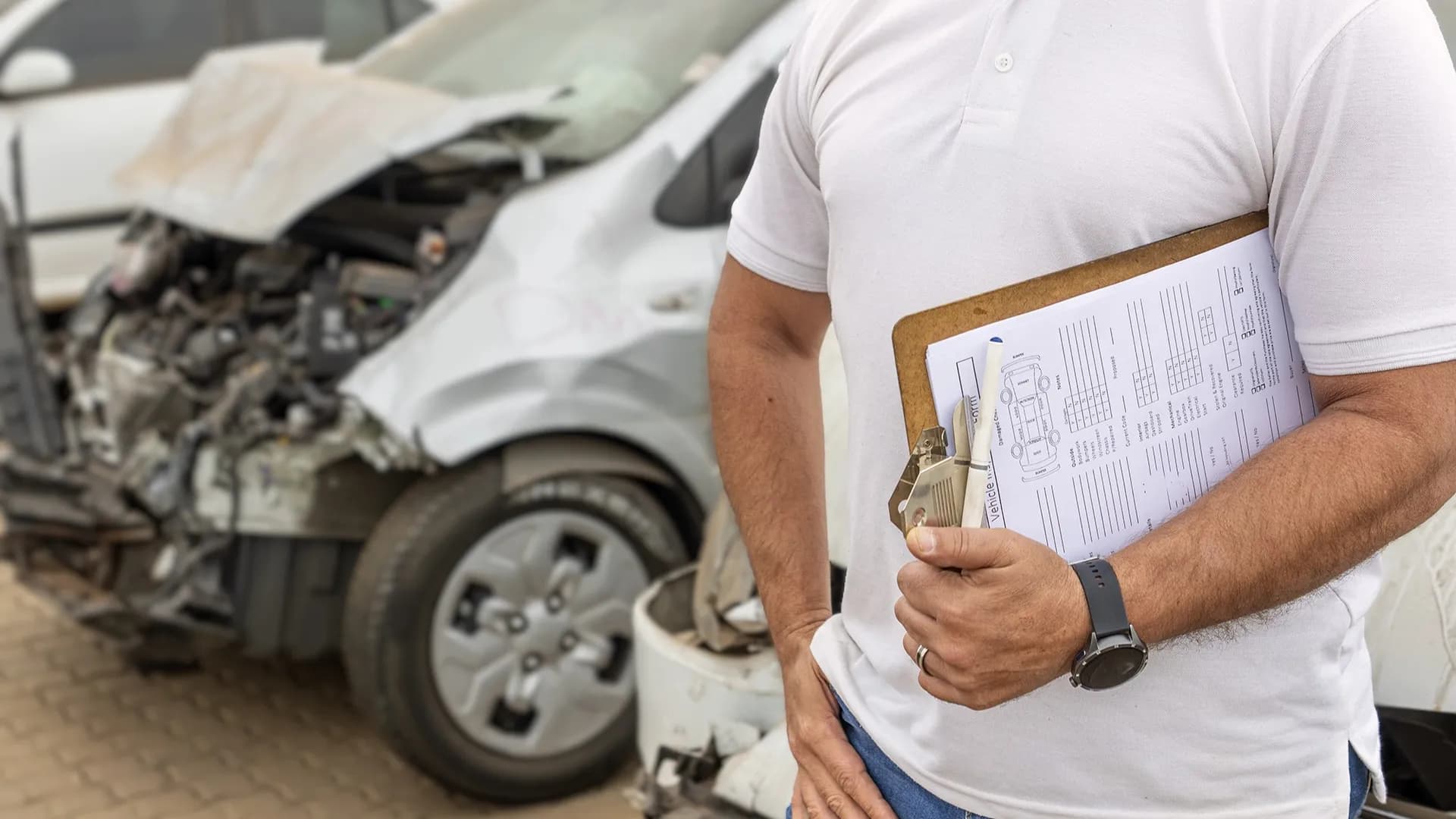
Overview: Why a focused fire-damage inspection matters
A vehicle affected by fire can have visible burn damage and hidden structural, electrical and mechanical issues. A careful inspection helps owners understand safety risks, repair feasibility and likely market or salvage value before deciding to repair or sell. These inspection tips are written with South African conditions in mind and are useful whether you plan to approach a professional repairer, an insurer or a buyer such as Sell Your Damaged Car.
When to sell versus attempt repairs
Deciding whether to repair a fire-damaged vehicle depends on repair cost, vehicle market value and how extensive the damage is. For many written-off or heavily fire-damaged vehicles, selling to a specialist saves time, towing expense and the uncertainty of repairs. Use the inspection notes below to get realistic repair estimates and compare them to the vehicle's pre-incident market value in South Africa.
Quick decision checklist
- Is the structural frame or chassis affected? (major concern)
- Has the wiring harness or ECU been burned? (often expensive)
- Are airbags deployed and cabin materials destroyed? (safety repair cost)
- Is the engine block or transmission visibly damaged by heat? (repair vs replace)
- Does the vehicle have outstanding finance or is it insured? (legal steps)
Repair cost vs value retained
| Estimated Repair Range (R) | Typical Value Retained | When repair makes sense |
|---|---|---|
| R5,000 - R20,000 | 60% + of pre-incident value | Minor cabin or panel fires, cosmetic fixes |
| R20,000 - R80,000 | 40% - 60% | Wiring, ECU replacement, significant interior damage |
| R80,000 + | Less than 40% | Engine/transmission or structural fire damage |
Note: Values are illustrative and presented in South African Rand (R). Actual repair costs vary by make, model and regional labour rates; these ranges are estimates to guide decisions.
How to inspect a fire-damaged vehicle (step-by-step)
Follow this inspection sequence to capture the most important details buyers and repairers will need. Take clear photos from multiple angles and note odometer, VIN and any service history.
1. External visual check
- Photograph all sides, the engine bay, wheels and underbody if possible.
- Look for warped panels, blistered paint, melted plastics or window damage.
- Check tyres and brake components for heat damage; discoloured rims or rubber indicate intense heat exposure.
2. Engine bay and mechanical components
- Inspect the wiring harness, fuse boxes and ECU for melting or charring.
- Note any smoke residue, soot or oil leaks that appeared after the fire.
- Assess belts, hoses and reservoirs for deformation from heat.
3. Interior and safety systems
- Check dashboard, seats, headliner and carpeting for burns and smoke damage.
- Confirm whether airbags deployed and note all damaged safety equipment.
- Smell test: persistent burnt odors after cleaning suggest deep contamination.
4. Structural and underbody inspection
- Look for heat-affected welds, buckling or blistering on chassis rails and suspension mounts.
- If the vehicle is safe to lift, inspect the exhaust and fuel tank for damage or deformation.
Damage types and how they typically affect offers
| Damage Type | Inspection focus | Typical offer impact |
|---|---|---|
| Cabin / upholstery fire | Interior panels, airbags, wiring under dash | Moderate negative impact; repairable in many cases |
| Engine bay fire | ECU, alternator, wiring loom, intake components | High negative impact; costly to repair or replace |
| Structural / chassis heat | Frame alignment, welds, suspension mounts | Severe negative impact; often written-off |
| Electrical harness & electronics | Complete wiring, sensors, ECUs | Significant impact; complex to diagnose |
Legal & paperwork considerations in South Africa
If you decide to sell, document the incident clearly. In South Africa you may need to involve your insurer if the vehicle is insured, and any outstanding finance must be disclosed. When selling to a specialist buyer, ensure you have the vehicle registration papers (logbook), ID, proof of ownership and details of any finance or insurance claims. Sell Your Damaged Car can assist with deregistration and paperwork during collection.
Vehicles under finance or with insurance claims
Notify your finance provider and insurer. A written settlement or consent may be required before ownership can transfer. If the insurer has declared the vehicle a total loss, confirm their settlement position before accepting other offers.
Tips to maximise clarity and offers for fire-damaged vehicles
- Document everything: date, cause (if known), and photos taken immediately after the incident.
- Get a written estimate from a reputable panel shop for major items (wiring, ECU, structural repairs) to inform decisions.
- If safe, provide clear interior and engine-bay photos showing affected components and VIN plate.
- Disclose prior repairs and any replaced parts-transparency builds trust with buyers and speeds offers.
- Consider selling to a specialist who buys fire-damaged cars: they handle towing and paperwork and value salvage components fairly.
What happens after collection when selling fire-damaged vehicles
Specialist buyers often assess salvage value for parts, scrap metal and repair potential. After you accept an offer, a professional buyer should arrange free towing, complete transfer paperwork (including assisting with deregistration when applicable) and release payment promptly. Keep records of the transfer and payment for tax or finance closure purposes.
Practical South Africa examples
Example 1: A 2010 hatchback with a small engine-bay fire limited to the alternator and wiring loom may have repair quotes around R25,000-R45,000 depending on parts and labour. If pre-incident value was R80,000, repairing might return reasonable value only if structural and ECU are unaffected.
Example 2: A late-model SUV with severe under-dash fire (airbags deployed and ECU destroyed) often attracts write-off decisions because electronic diagnostics and replacement ECUs are costly. Selling to a specialist can recover salvage value quickly without repair headaches.
Sources
- Road Traffic Management Corporation - South Africa
- Automotive inspection best practices (professional reference)
- Financial Sector Conduct Authority - Guidance on motor vehicle finance (SA)
For more on selling a non-running or damaged vehicle see the Sell Non-Running Car and Sell Damaged Cars pages, and learn how to protect yourself from bad buyers at How to Avoid Being Scammed.
Seasoned automotive specialists dedicated to helping you turn your damaged or non-running vehicle into cash fast and hassle-free.
Disclaimer: This content is for educational purposes only. Product availability, pricing, and specifications are subject to change. Always verify current details on the retailer's website before making a purchase. We may earn affiliate commissions from qualifying purchases.
Why sell your damaged car to us?

A Division of Auction Nation, the leading expert in selling damaged cars

Best price for your damaged car

Get a cash offer within 24h

We buy damaged cars in any condition

We buy accident- damaged cars still under finance

Free, no obligation offer on your vehicle
How We Calculate Your Damaged Car’s Value
Wondering how we calculate your car’s value? At Sell Your Damaged Car, we look at: Your car’s real condition, its salvage value, and the current market demand. It’s all about honesty, transparency, and fairness — that’s how we determine your offer.
Frequently Asked Questions
Get answers to common questions about Tips And Advice
Why Choose Sell Your Damaged Car?
Free Towing
Need a tow? We got you
Hassle Free
Get a cash offer within 24h!
Nationwide
Somewhere remote? No problem!
